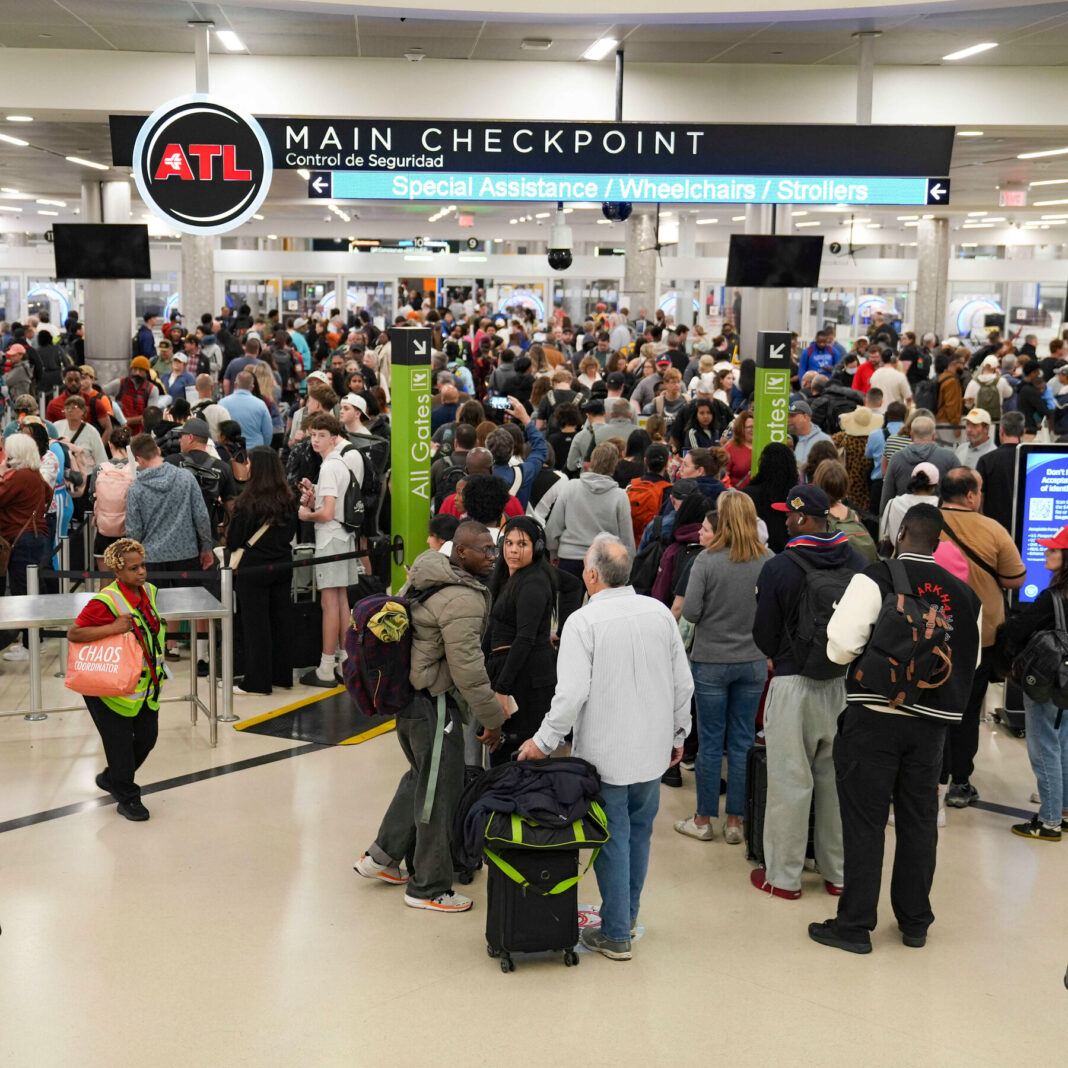
The Transportation Security Administration is accelerating plans to expand the use of private security contractors at airport checkpoints. The shift follows operational disruptions caused by the last government shutdown. Federal officials aim to reduce reliance on TSA employees at select airports.
The agency is seeking applications from additional airports for its Screening Partnership Program. This program allows airports to replace federal screeners with privately hired staff. TSA still oversees security procedures and standards at participating locations.
Proponents argue private screeners offer more flexibility during budget crises or shutdowns. Private contractors can adjust staffing levels without federal hiring freezes. This could prevent checkpoint closures and long passenger delays.
Critics raise concerns about cost and consistency. Private screeners often cost more per hour than federal employees. Some studies also show mixed results on security effectiveness compared to TSA staff.
Currently, 21 airports participate in the program, including San Francisco and Kansas City. The TSA hopes to add more facilities in the coming years. Interested airports must apply and meet specific security benchmarks.
The expansion comes as air travel demand continues to rise. Over 2.6 million passengers passed through checkpoints daily this spring. Reliable security operations remain critical to avoiding congestion and travel disruptions.
Passengers may not notice visible differences at private security checkpoints. Screeners still follow TSA protocols and wear similar uniforms. The primary change involves who employs the workers behind the scenes.
The agency plans to finalize new applications by the end of the fiscal year. Airports considering the switch must weigh operational flexibility against potential costs. The TSA will remain ultimately responsible for security outcomes.