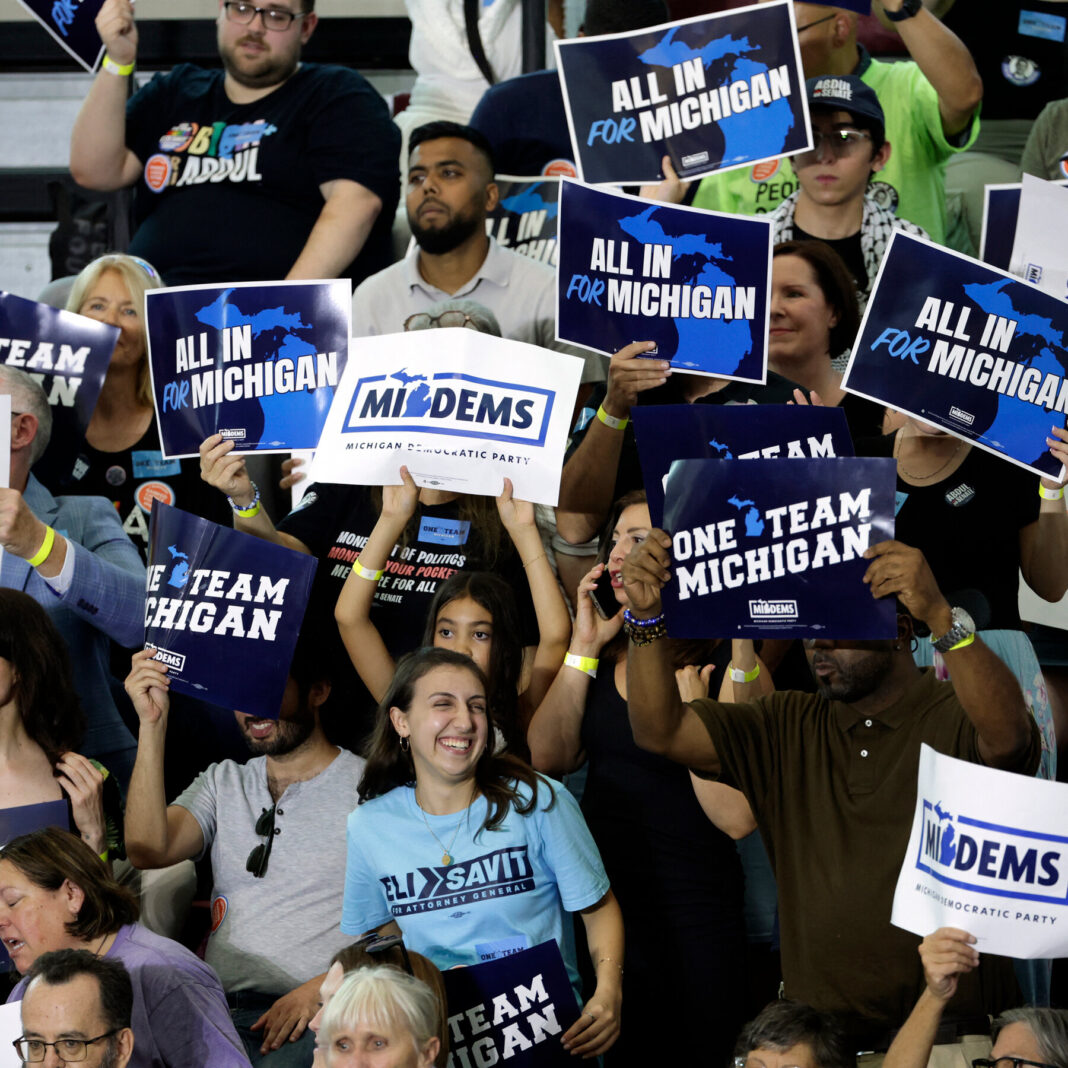
Michigan Democrats are working to unify behind Dr. Abdul El-Sayed after a contentious Senate primary that left lingering friction within the party. Pete Buttigieg, who ran against El-Sayed in the race, described the contest as “spirited” during a unity rally held Friday night. The event marked the first public step toward consolidating support behind the nominee.
The primary season exposed deep divisions among Democratic voters and leaders in Michigan. Disagreements over policy priorities and campaign strategies fueled sharp exchanges on the trail. Despite the heated rhetoric, party officials are urging members to shift focus to the general election.
El-Sayed’s campaign focused heavily on health care access and economic reform, themes that resonated with progressive voters. Buttigieg, known for his moderate approach, drew support from a different faction of the party. The contrast created a competitive environment that tested party cohesion.
The unity rally signaled a formal end to the intra-party battle, with both candidates calling for collaboration. Buttigieg emphasized the need to defeat shared opponents in November. El-Sayed echoed that sentiment, acknowledging the energy of the primary while redirecting it toward the broader Democratic agenda.
Tensions, however, are not fully resolved. Some campaign staffers and volunteers remain frustrated by the tone of the race. Local party leaders acknowledge that bridging these gaps will require ongoing effort beyond a single rally.
Organizers plan to hold additional events in key counties to rebuild trust and voter enthusiasm. The strategy includes joint appearances by El-Sayed and Buttigieg in areas where support was divided. This outreach aims to ensure no Democratic constituency is left behind.
Michigan remains a critical battleground state, and the party’s ability to present a united front is seen as essential. Analysts note that voter turnout in urban centers and suburban districts will likely decide the outcome. Democrats are betting that a unified message will help secure those votes.
The campaign is now turning its attention to fundraising and field operations. Staff from both primary camps are being integrated into a single team for the general election. Party officials say the focus is on resources and messaging, not past disagreements.
El-Sayed’s team has also reached out to independent voters who showed interest in the primary. The goal is to broaden the coalition beyond the party’s traditional base. This approach reflects lessons learned from the competitive primary season.
Buttigieg has pledged to campaign actively for El-Sayed in the coming months. His schedule includes stops in western Michigan, where his support was strongest. The coordination is intended to demonstrate that the party can move past its internal battles.
Democratic leaders in the state are cautious but optimistic about the path forward. They acknowledge that reconciliation is a process, not a single event. The coming weeks will test whether the party can sustain its newfound unity under pressure.
The general election campaign is expected to focus on economic issues and public services. Both El-Sayed and Buttigieg agree on expanding health coverage and investing in infrastructure. These shared priorities form the foundation of the joint platform now being promoted.
Michigan voters will see a more coordinated effort in the months ahead, with targeted ads and community events. The campaign is also leveraging digital tools to reach younger voters who followed the primary closely. This multi-pronged approach aims to translate primary energy into general election turnout.
For now, the party is projecting confidence in its ability to regroup. The unity rally provided a visual symbol of cooperation, but the real work lies ahead. Michigan Democrats are betting that their shared goals outweigh the scars of a hard-fought primary.