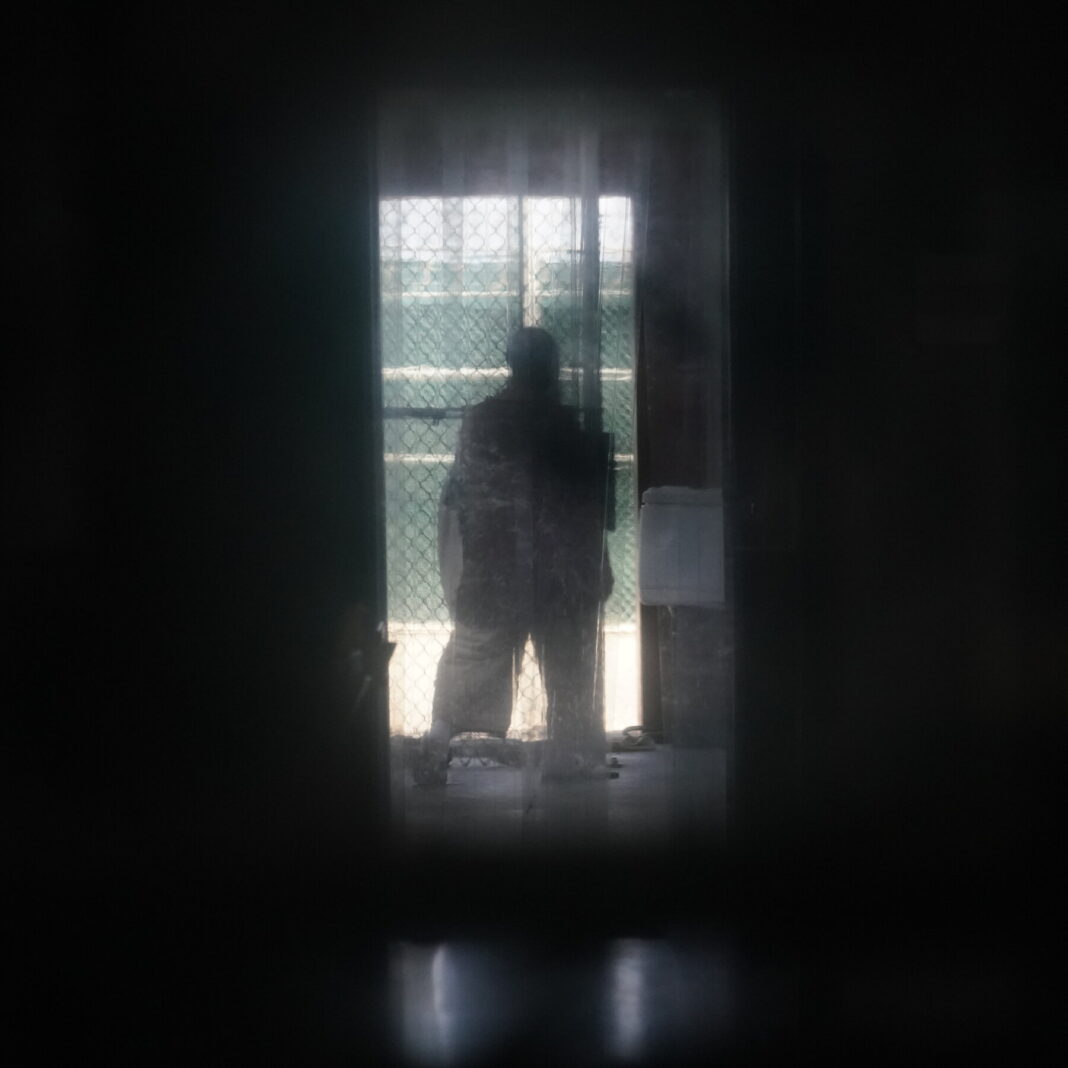
A judge at Guantánamo Bay is preparing to decide a pivotal question: how long the effects of torture tainted the prosecution of the Sept. 11 defendants. Eight days of legal arguments have brought the long-running case to a critical moment.
The hearings focused on whether statements obtained through CIA torture programs poisoned later interrogations and evidence. Defense lawyers argued that the taint from brutal methods, including waterboarding, persists indefinitely.
Prosecutors countered that any taint ended once standard interrogation techniques resumed. They urged the judge to allow confessions made to military officials years later as admissible evidence.
The case has stalled for over a decade, largely due to legal battles over torture and evidence. This ruling could determine if the defendants face trial or remain in indefinite detention.
The judge’s decision will set a precedent for how courts handle the aftermath of government torture. It could also affect other Guantánamo cases with ties to the CIA’s former program.
Key evidence in question includes detailed accounts of the defendants’ roles in the attacks. The judge must weigh whether those statements were voluntarily given or still coerced by prior abuse.
This ruling may not fully resolve the case. Appeals over the torture question could delay proceedings for years longer, keeping the trial at a standstill.