President Trump has called for expanding the Abraham Accords as part of a potential deal to end the conflict with Iran, but the proposal has left Middle Eastern analysts deeply skeptical.
The president suggested that more nations should be required to formally recognize Israel under any future agreement. This marks a shift from his previous approach of encouraging normalization through incentives.
Experts in the region say the chances of such a requirement being adopted are close to zero. Many Arab governments remain reluctant to normalize ties without significant progress on Palestinian statehood.
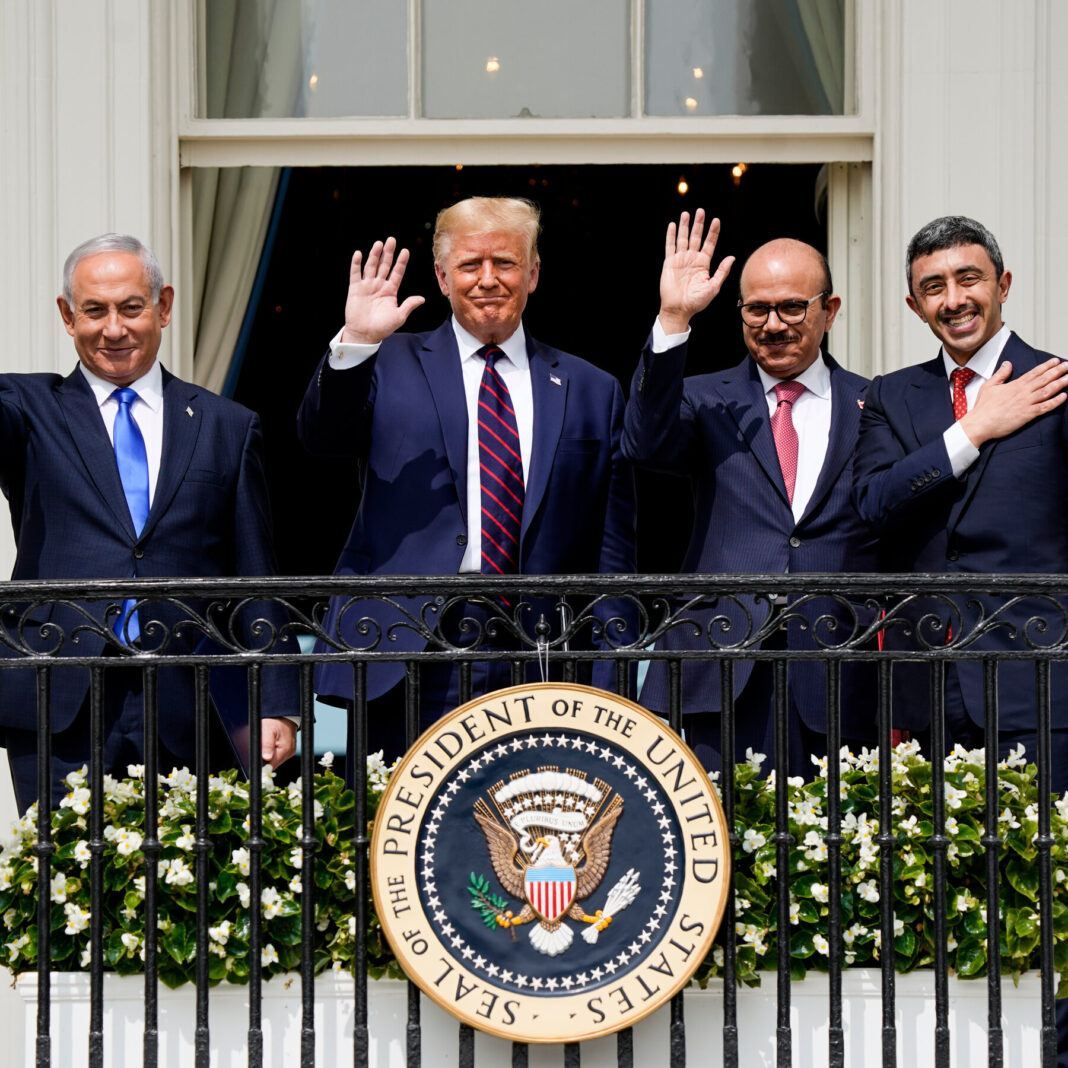
The original Abraham Accords, brokered during Trump’s first term, saw Israel establish diplomatic relations with the United Arab Emirates, Bahrain, Sudan, and Morocco. Those deals were built on mutual economic and security benefits, not coercion.
War with Iran has dramatically altered the regional landscape. Several Gulf states now balance their security concerns with Iran against domestic pressures to support the Palestinian cause.
Analysts point out that forcing normalization as a condition for ending hostilities could backfire. It may strengthen hardline elements in both Iran and the Arab world who oppose any recognition of Israel.
The current diplomatic environment remains fragile. A mandatory expansion of the accords would likely require concessions that neither Israel nor its potential new partners are ready to make.
For now, the idea remains a political talking point rather than a realistic policy option. The region watches with uncertainty, waiting to see if any concrete steps will follow.