Late-night noise disturbs residents in three New Jersey towns. Edgewater, Fort Lee, and Cliffside Park residents report being jolted awake by mysterious sounds. The noise, often described as booming music, occurs between 11:30 p.m. and 5 a.m. on weekends.
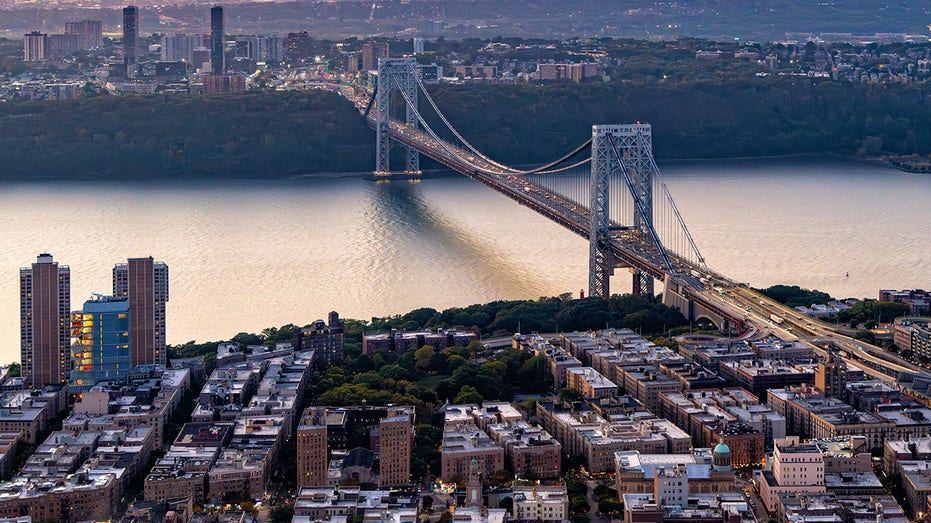
Complaints surged in February, with Edgewater police receiving hundreds of reports. Authorities determined the sound originated across the Hudson River in Harlem, New York. Edgewater police contacted the New York Police Department regarding the issue. Officials noted similar complaints in warmer months, often linked to party boats on the Hudson River.
A debate continues among residents and local officials regarding the noise source. Many residents believe a Harlem nightclub is responsible. Edgewater Mayor Michael J. McPartland, however, suggests party boats are the primary cause, citing a long-standing problem. He recalled past efforts with the NYPD to address boat noise, noting riverfront condos experience the brunt of the disturbance.
Social media users in the affected towns speculate the music comes from a specific Harlem restaurant with an outdoor lounge. However, that establishment reportedly closed two years ago. Residents describe the sound as a thumping vibration or continuous music.
An acoustics expert noted sound travels more effectively over water. Wind conditions can disrupt sound propagation. The expert questioned if the source truly lies in Harlem, suggesting a local origin remains possible. Enforcing noise regulations across state lines presents additional challenges.
New York City’s noise code aims to balance urban nightlife with residential needs. The 2007 update focuses on limiting “excessive and unreasonable” noise impacting health and safety. The Department of Environmental Protection and the NYPD enforce these regulations. Background noise in busy areas can complicate violation assessments.
Specific limits apply to various noise sources, including amplified music. Venues playing music cannot exceed 42 decibels inside homes. Between 10 p.m. and 7 a.m., sound must remain within 7 decibels above the surrounding ambient street noise. Sound can bounce between buildings in urban settings, making precise direction difficult to determine. Resolving an interstate noise issue would require an agreement between New Jersey and New York.