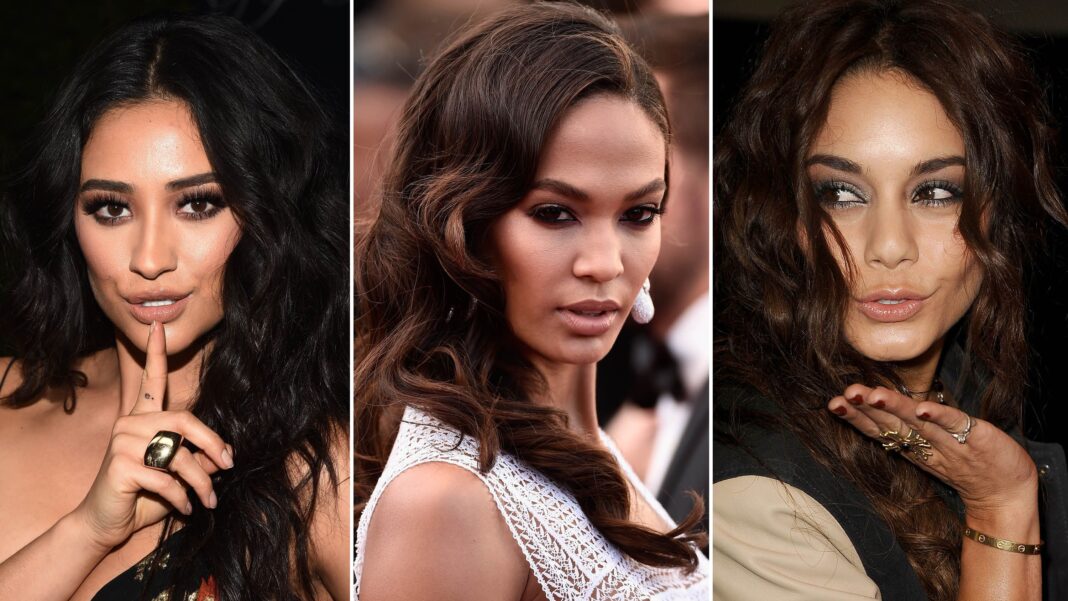
The Smoky Eye makeup trend defined an entire generation’s approach to beauty. It was the dominant look of the 2010s, driven by the rise of beauty YouTube and the iconic Urban Decay Naked palette. This era marked a distinct shift from the minimalist styles of the previous decade.
Teen dramas and early influencers popularized the heavy, sultry eye look. Shows like *Gossip Girl* and *Pretty Little Liars* featured characters with perfectly blended dark shadows. These on-screen looks were then recreated by a new wave of digital creators, making the technique accessible to millions.
The Naked palette became a cultural touchstone. Its neutral, warm tones allowed beginners and experts alike to achieve a professional-looking smoky eye at home. Tutorials featuring this single product racked up millions of views, cementing its place in beauty history.
Application techniques were highly specific. The process involved multiple shadow layers, intense blending, and a sharp winged liner. This precision was a hallmark of the decade, reflecting a broader cultural obsession with perfection and curating an online image.
The 2010s smoky eye was more than a makeup trend. It represented a moment of shared cultural experience, where digital media and beauty intersected. It gave consumers a new sense of agency and creativity, empowering them to experiment with bold looks from their own bathrooms.
The trend’s dominance faded with the rise of “no-makeup makeup” and skinimalism in the early 2020s. However, its influence remains embedded in modern beauty standards and application techniques. Many current trends borrow heavily from this era’s foundation.
Replicating the 2010s smoky eye today wouldn’t produce the same effect. The original look was inseparable from its context—specific products, personalities, and a distinct cultural moment. It cannot be authentically reproduced, only remembered.
The legacy of the 2010s smoky eye is its democratization of artistry. It taught millions that makeup could be both accessible and transformative. The look may have evolved, but its impact on beauty culture is permanent.