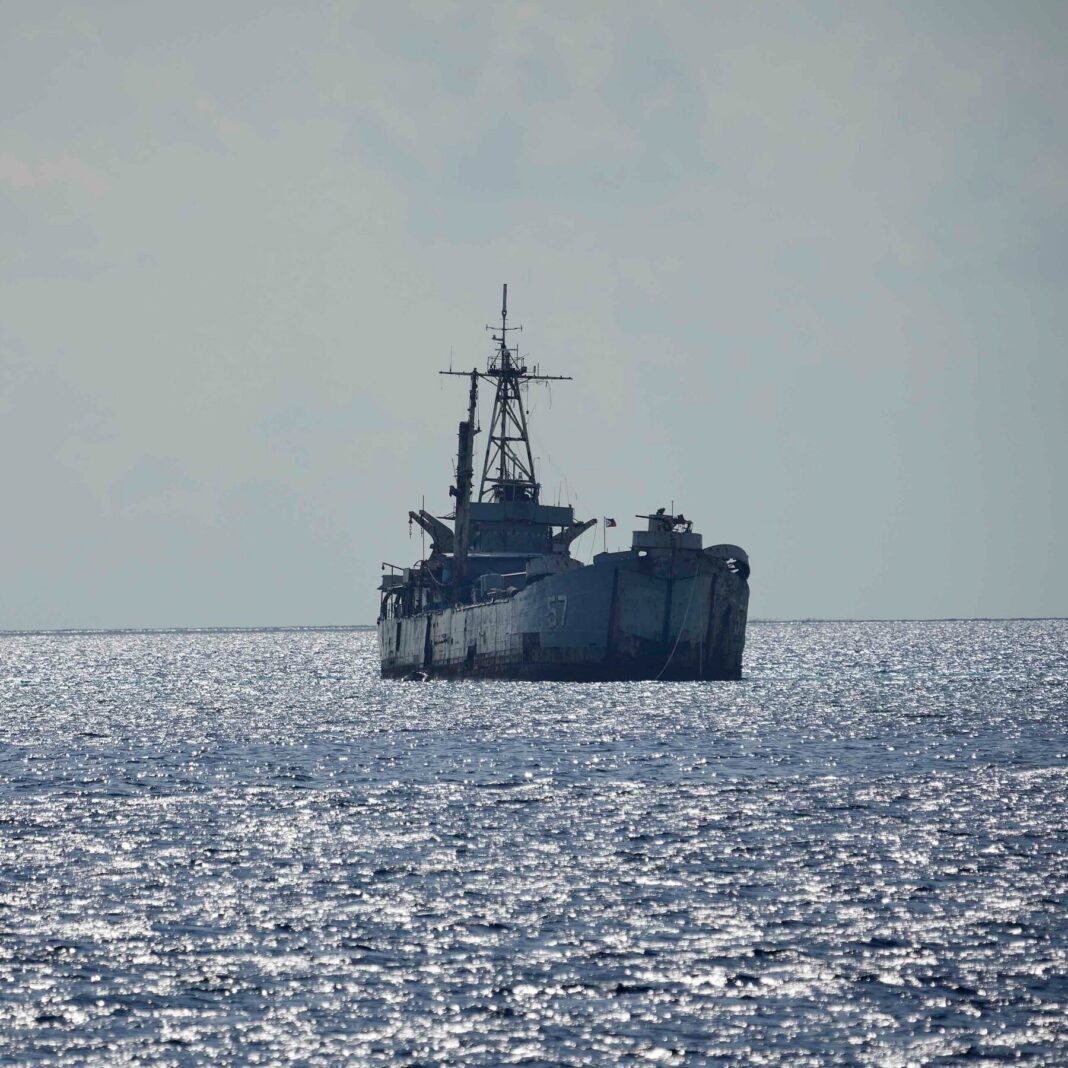
Asian allies are increasingly questioning whether the United States would or could defend them in a conflict. The uncertainty stems from shifting U.S. foreign policy priorities under President Trump, who has concentrated diplomatic and military attention on Iran. That focus has left longstanding partners in the Asia-Pacific region reassessing their security assumptions.
The administration’s push against Tehran has consumed significant resources and high-level attention. Meanwhile, China continues its steady expansion across the region, from military outposts to economic agreements. The contrast in commitment is not lost on officials in Tokyo, Seoul, and Manila.
Several allied governments have begun quiet discussions about contingency plans. These talks no longer assume automatic U.S. intervention in a regional crisis. The shift marks a notable departure from decades of reliance on American security guarantees.
Chinese leaders have observed the dynamic closely. They interpret the U.S. focus on Iran as an opening to advance territorial and diplomatic claims with reduced pushback. Recent Chinese naval exercises and patrols in contested waters have proceeded without meaningful challenge.
U.S. officials insist that Washington retains the capacity to address multiple theaters simultaneously. Military planners point to ongoing exercises with allies and routine deployments as evidence of continued commitment. Yet the message has not fully reassured regional partners.
The perception gap matters strategically. Allies who doubt U.S. resolve may hedge their policies, seeking accommodations with Beijing or building independent defense capabilities. Such shifts could weaken the alliance network that has underpinned regional stability for decades.
Analysts note that the Trump administration’s transactional approach to alliances has compounded the uncertainty. Demands for increased burden-sharing, while not new, have been delivered with greater urgency. Some allies worry that financial disputes could affect security decisions in a crisis.
No dramatic policy change has been announced. But the quiet recalibration underway across Asia reflects a growing reality: the American security umbrella appears less certain than before. That perception, accurate or not, is reshaping calculations from the South China Sea to the Korean Peninsula.