Memory makers have become the hottest sector in tech. Their profit margins are reaching levels that many analysts consider unsustainable. The surge in demand for artificial intelligence is the primary driver.
AI systems require enormous amounts of memory to function. This has boosted sales for companies producing DRAM and NAND chips. Revenue growth has outpaced many other hardware segments.
Investors are watching these margins closely. Historically, the memory industry has experienced boom-and-bust cycles. High profits have often led to overproduction and sharp downturns.
The current environment differs from past cycles. AI demand is not tied to consumer electronics or enterprise upgrades. It represents a new, long-term market for memory products.
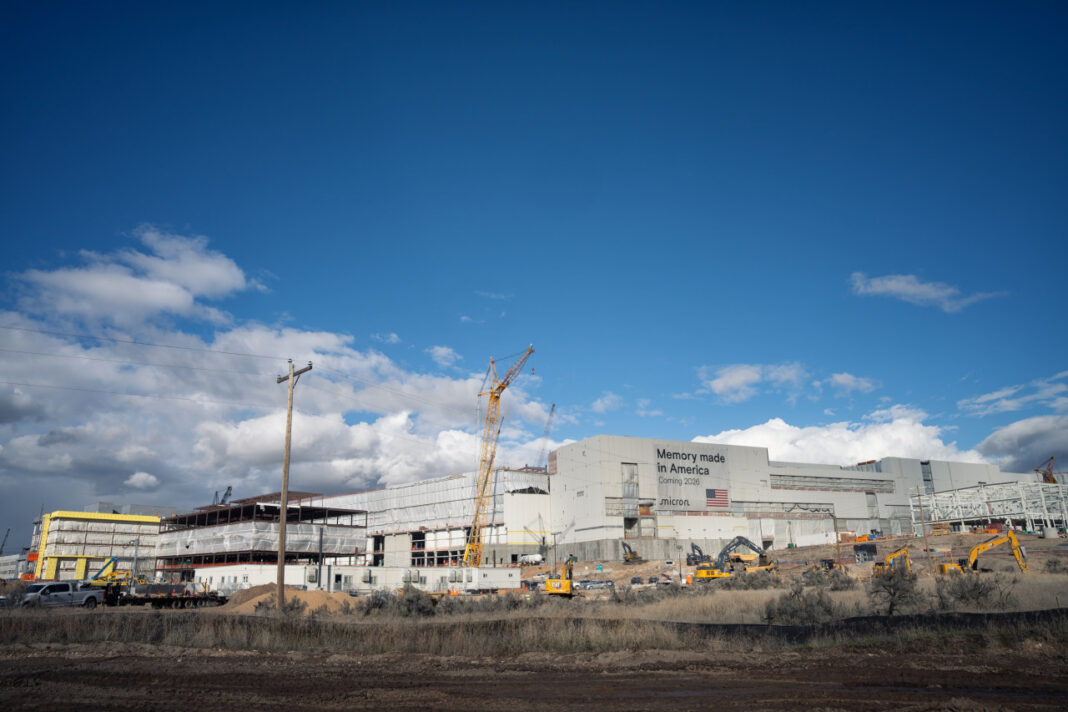
Key players include Samsung, SK Hynix, and Micron. These firms are investing heavily in new fabrication facilities. They are betting that AI-driven demand will persist.
Critics warn that the industry may be repeating old patterns. If AI demand slows or shifts, excess capacity could flood the market. This would compress margins quickly.
Memory makers argue the game has changed. They point to the growing complexity of AI models. These models require more memory per chip, limiting supply flexibility.
Regulators and customers are also paying attention. Some buyers worry about price gouging in a concentrated market. Antitrust scrutiny could increase if margins stay elevated.
For now, the sector remains a focal point in tech. The question is whether high profits will fund sustainable growth or trigger a future crash. The answer depends heavily on AI’s trajectory.