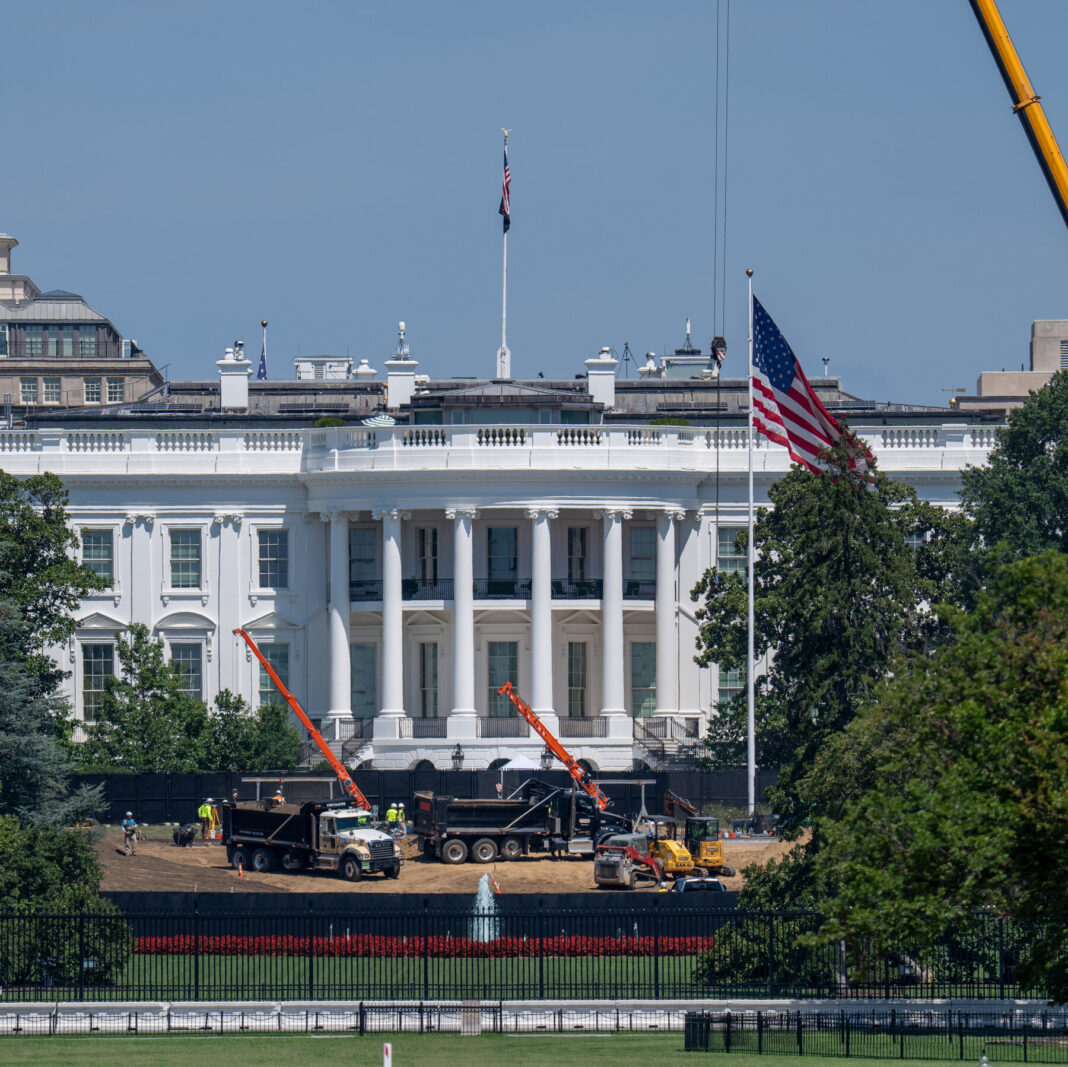
President Trump is drawing satisfaction from a series of renovation projects he has initiated across downtown Washington. These initiatives have provided a distinct focus for the administration amid ongoing international conflicts. The President has personally highlighted several of these developments in recent public remarks.
The projects range from infrastructure upgrades to the restoration of historic federal buildings. Administration officials describe the work as a long-term investment in the nation’s capital. They argue the renovations will modernize key areas used by both government employees and the public.
Construction activity is visibly reshaping several central corridors. Crews have begun work on roadways, public plazas, and the facades of prominent offices. The pace of the work has accelerated in recent months, according to project managers.
Trump has reportedly taken a hands-on role in design and scheduling decisions. Aides say he frequently reviews progress photos and has pushed for faster completion timelines. This engagement offers a contrast to the slower-moving diplomatic efforts tied to the ongoing war.
The renovation push has drawn mixed reactions from local leaders and urban planners. Supporters applaud the economic boost and job creation tied to the construction contracts. Critics, however, question the allocation of federal resources during a period of global instability.
Funding for the projects largely comes from previously approved congressional budgets. Officials confirm no additional emergency appropriations have been requested for this work. Cost overruns have been minimal so far, though some supply chain delays have been noted.
The President has framed the renovations as a symbol of national resilience. In a recent statement, he noted the importance of maintaining the capital’s appearance even during trying times. He has also linked the projects to broader promises of economic strength.
For Washington residents, the disruptions are a daily reality. Detours and closures have altered commutes in several busy districts. Local businesses report mixed impacts, with some seeing increased foot traffic from workers and others facing reduced access.
The full scope of the renovation plan spans multiple years. Future phases are expected to include upgrades to transit stations and public gathering spaces. Officials have yet to announce a specific completion date for the entire portfolio.
As the war abroad continues, the administration maintains that domestic projects remain a priority. Press briefings have consistently highlighted the construction milestones alongside diplomatic updates. The renovation work offers a tangible, visible measure of presidential activity.
Observers note that such projects often carry political significance for an incumbent seeking tangible achievements. The sight of cranes and scaffolding in the capital serves as a constant, physical reminder of executive action. Whether this translates into lasting public approval remains to be seen.
The coming months will test the administration’s ability to balance these conflicting demands. With work crews active across the city, the renovation effort is set to remain a central part of the presidential narrative. For now, the projects proceed without interruption.