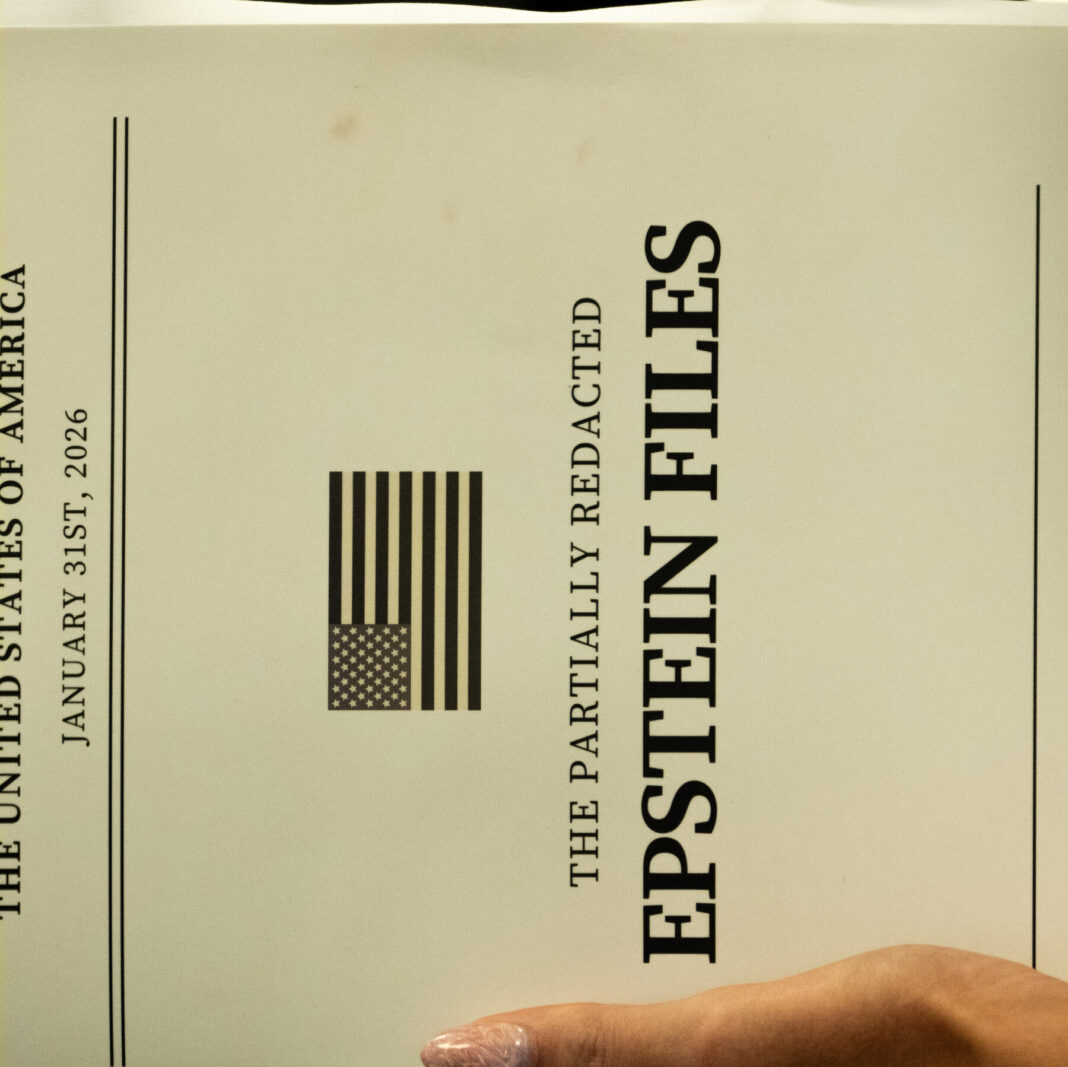
Fact-checking efforts are scrutinizing midterm campaign advertisements that reference Jeffrey Epstein. Candidates have exchanged attacks regarding votes related to releasing the Epstein files. Political donations from individuals with ties to Epstein are also a focal point in these disputes.
Several ads have surfaced across competitive races, alleging specific voting records on Epstein-related legislation. The claims vary widely, with some accusations directed at both Republican and Democratic candidates. Fact-checkers have reviewed these assertions against official congressional records.
In one prominent Senate race, an advertisement claims a candidate voted against a measure to release documents. The referenced vote, however, pertains to a broader bill that included unrelated provisions. Analysts note the distinction between voting on a standalone measure and opposing a larger package.
Another set of ads focuses on campaign contributions received from associates of Epstein. Supporters of the targeted candidates argue the donations were legal and unrelated to any misconduct. Critics counter that the associations raise legitimate questions about judgment and transparency.
The Epstein files, which were partially released in prior years, have become a recurring topic in political discourse. Fact-checkers emphasize that many records remain sealed or redacted, limiting public knowledge. Candidates have leveraged this uncertainty to frame narratives that often outpace the available evidence.
Independent verification groups have rated several of these ads as misleading or lacking context. For example, one ad implies a direct connection between a donation and a policy stance without supporting documentation. Such oversimplifications can distort voters’ understanding of the issues.
The broader impact of these advertisements remains unclear as the election cycle progresses. Polling data suggests that Epstein-related claims resonate with certain voter demographics. Nonetheless, strategists caution that overreliance on this issue may not sway undecided voters.
Fact-checkers recommend that voters consult primary sources, including legislative records and campaign finance disclosures. These documents provide a more complete picture than the truncated versions presented in ads. Public trust in the electoral process depends on the accurate representation of such complex information.