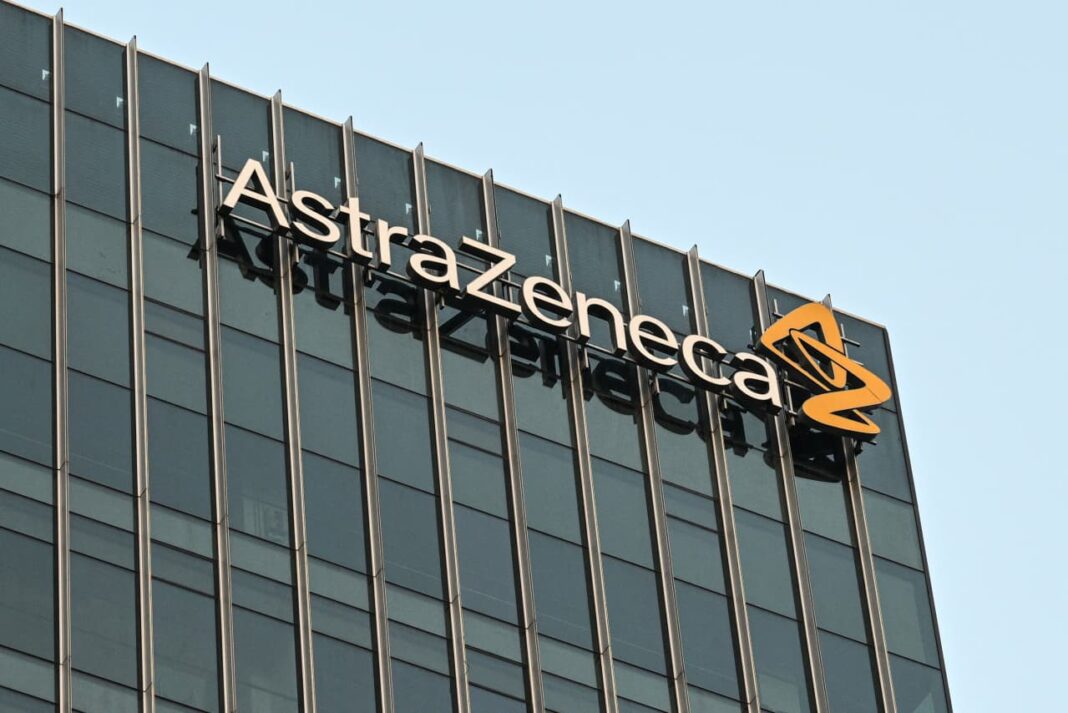
AstraZeneca shares fell while Bristol-Myers Squibb climbed on Monday following reports of merger discussions. The market reaction left analysts questioning the rationale behind the potential tie-up.
The two pharmaceutical giants have not confirmed any formal negotiations. Reports surfaced over the weekend, citing unnamed sources familiar with the matter.
Investors responded swiftly, with Bristol-Myers Squibb posting gains while AstraZeneca declined. The divergent movement suggests market skepticism about the deal’s strategic value.
Analysts pointed to several potential obstacles. Both companies have strong oncology pipelines, which could create regulatory hurdles. A combined entity would face intense antitrust scrutiny in key markets.
The financial structure of any deal remains unclear. AstraZeneca’s market capitalization exceeds $200 billion, making an acquisition a substantial undertaking for Bristol-Myers Squibb, which is valued near $100 billion.
Some experts noted that a merger could dilute focus. AstraZeneca has been emphasizing its vaccine division and respiratory treatments, while Bristol-Myers has invested heavily in cell therapy and immunology.
Leadership questions also emerged. Integrating two large research operations would likely trigger management overlap and cultural clashes. History shows such consolidations often lead to job cuts and pipeline delays.
Market watchers expressed confusion over the timing. Both companies reported strong quarterly earnings earlier this year, reducing pressure to pursue transformative deals.
The reports remain unverified, and neither firm has issued a public statement. Shares may continue to fluctuate until clarity emerges.
For now, analysts recommend caution. The strategic logic behind combining two already diversified drugmakers appears thin, and the operational risks are high.