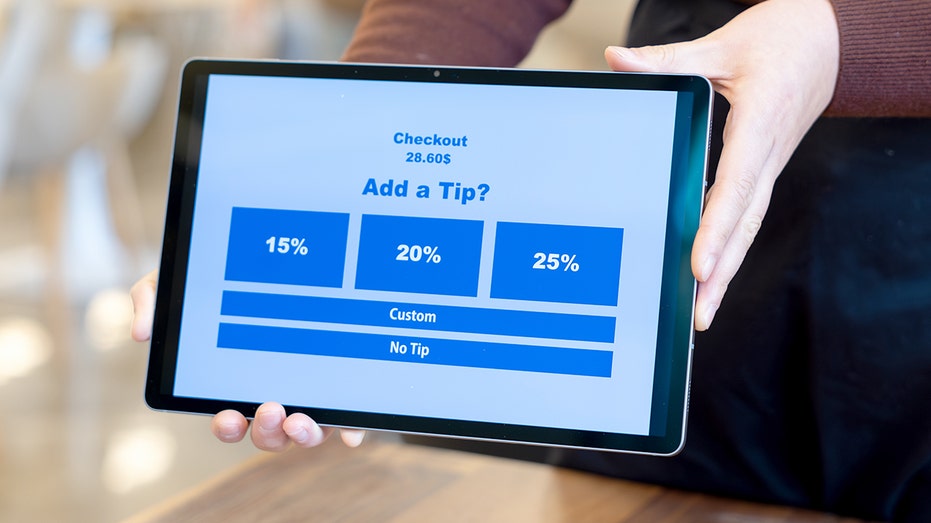
As restaurants brace for a surge of tourist traffic, a growing number are turning to automatic tipping programs, sparking debate among diners and industry insiders alike. The practice, which adds a gratuity to the bill without customer input, is becoming more common as businesses aim to streamline service and ensure fair pay for staff.
Supporters argue the system removes the guesswork from tipping, guaranteeing servers receive adequate compensation during busy periods. Restaurants, particularly in high-traffic areas, see it as a way to prevent wage gaps when staff juggle demanding crowds.
Critics, however, express concern that automatic tipping erodes customer choice and trust. Some diners feel blindsided by the added fee, viewing it as a hidden cost rather than a reward for quality service.
Industry analysts note the trend mirrors broader shifts in consumer behavior, with many establishments moving away from traditional tipping models. The change is especially pronounced in casual dining spots that previously relied on optional gratuities.
Restaurants preparing for the influx of visitors—whether for holidays, festivals, or seasonal events—are balancing operational needs with customer satisfaction. Automatic tipping offers predictability for owners, but risks alienating budget-conscious patrons.
For travelers, the implications are tangible. A family outing could now include an unexpected 18% to 20% charge on top of the meal price, a fact often buried in fine print on menus or digital payment screens.
As the debate continues, hospitality experts advise diners to check policies before ordering. Meanwhile, restaurant owners weigh the long-term impact on loyalty, aware that transparency may be key to maintaining trust amid the industry’s evolving landscape.