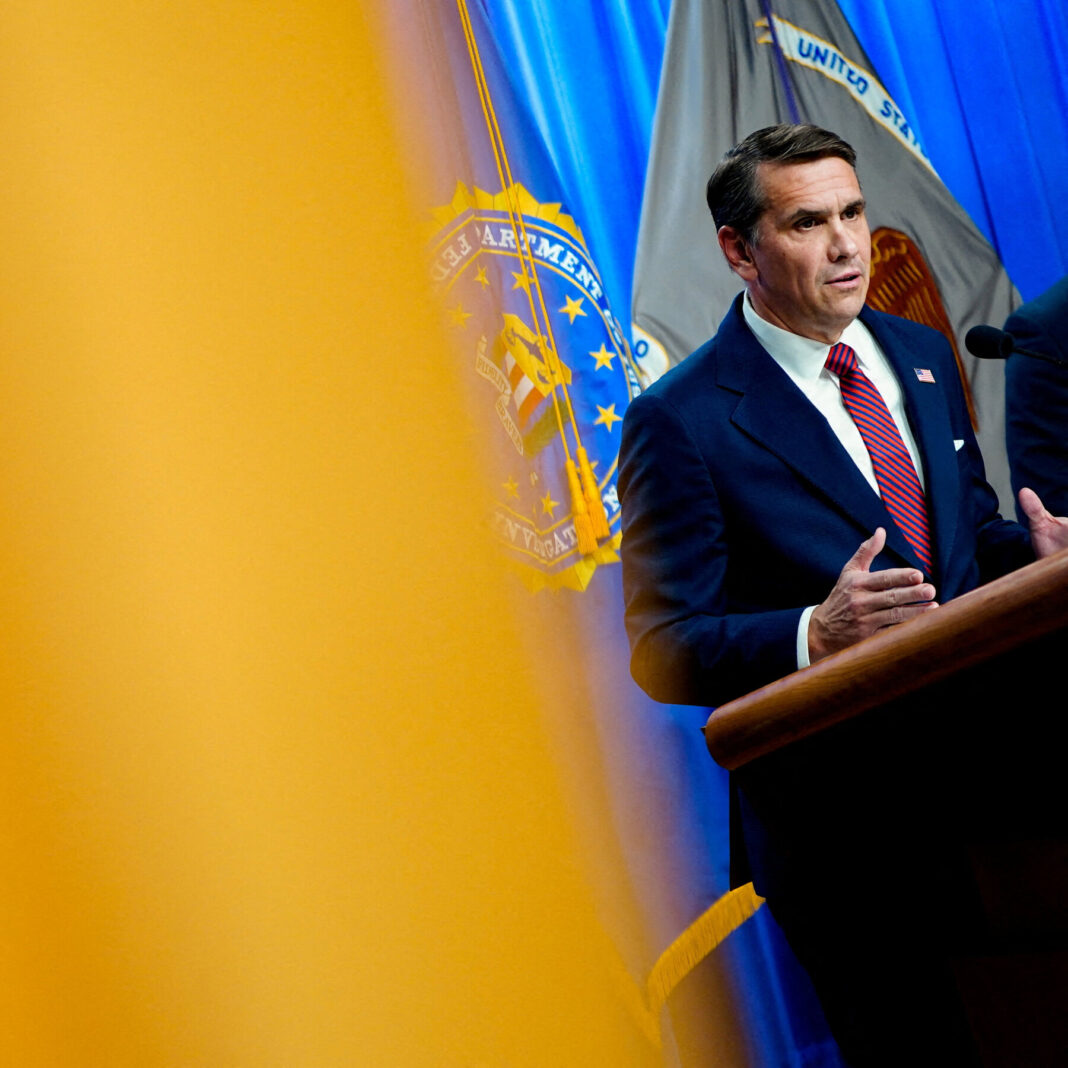
Acting Attorney General Blanche stated that individuals who post the “86 47” message will not face charges like former FBI Director James Comey did. Blanche described such messages as “posted constantly” across various platforms. The Justice Department maintains a different standard for applying charges in these cases, he explained.
Blanche declined to provide specific details about the evidence gathered against Comey. He acknowledged that the department had collected other evidence beyond the “86 47” posts. The acting attorney general did not describe what that evidence includes.
The decision marks a clear distinction in how the Justice Department handles similar online statements. Blanche emphasized that the context and volume of such posts influence charging decisions. He suggested that widespread use of the message makes prosecution impractical for most individuals.
Comey’s indictment earlier this week drew significant attention to the “86 47” phrase. The case has sparked debate over free speech and selective prosecution. Blanche’s comments aim to clarify the department’s legal reasoning.
The acting attorney general underscored that the department’s actions are based on a totality of evidence. He refused to elaborate on the nature of the additional evidence. This leaves questions about the specific factors that led to Comey’s charges.
Legal experts note that the distinction could set a precedent for future cases. The Justice Department faces scrutiny over consistency in its enforcement policies. Blanche’s remarks provide limited clarity on how the department will proceed.
The public remains divided on the fairness of the charges against Comey. Some view the decision as politically motivated, while others see it as legally justified. The department continues to defend its actions as impartial.