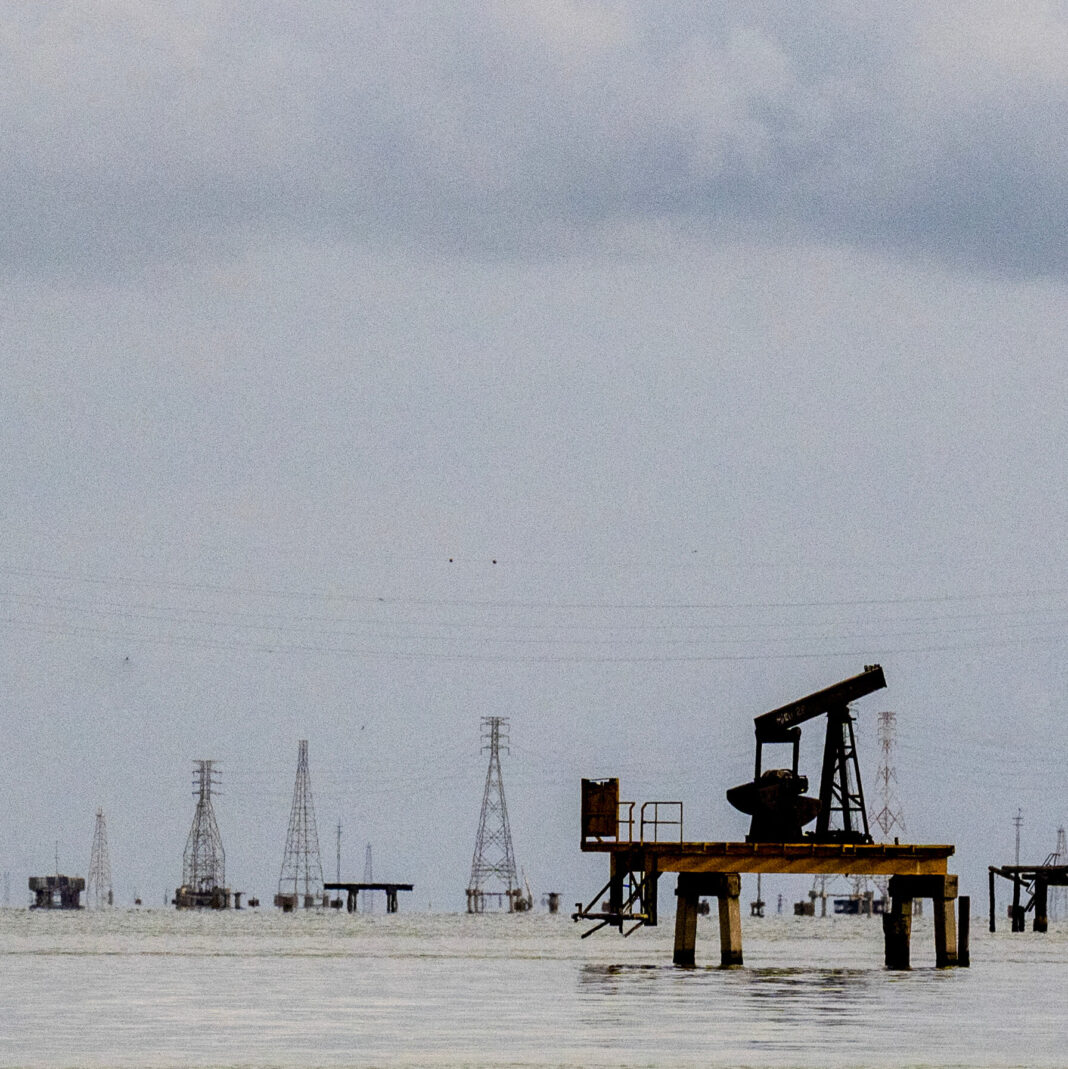
Chevron has secured U.S. approval to expand its operations in Venezuela, clearing the way for a $7 billion investment that will more than double the company’s crude production in the country. The move reinforces the San Ramon, California-based energy giant’s position as the dominant Western player in Venezuela’s oil sector.
The expansion follows a license from the U.S. Treasury Department, which allows Chevron to broaden its joint ventures with Venezuela’s state-owned oil company, PDVSA. Production is expected to rise from roughly 200,000 barrels per day to over 400,000 barrels per day within the next few years.
Chevron remained active in Venezuela after most other Western firms exited, citing safety concerns and political instability. The company’s persistence has now paid off, as it stands to control a larger share of the country’s vast crude reserves.
The decision marks a shift in U.S. policy, which had previously tightened sanctions on Venezuela’s energy industry. The new license reflects a strategic calculation to leverage American corporate influence over the country’s oil wealth rather than leave it to rivals such as Russia and China.
Analysts note that Chevron’s expansion could bring much-needed revenue to Venezuela’s struggling economy, but the benefits may be limited. The country’s infrastructure has deteriorated under years of underinvestment, and PDVSA faces significant operational challenges.
For Washington, the move strengthens its foothold in a region where geopolitical competition over energy resources is intensifying. The arrangement gives the U.S. indirect oversight of key oil flows, even as the Biden administration has maintained broader sanctions on the Maduro government.
Critics argue that the deal could prolong the status quo, providing the Venezuelan regime with financial relief without meaningful political concessions. Supporters, however, point to the jobs and local investment that Chevron’s activities will generate.
Chevron has not disclosed a timeline for the full $7 billion investment, but initial phases are expected to focus on upgrading existing facilities in the Orinoco Belt. The company has said it will prioritize safety and environmental standards in all new projects.
The expansion positions Chevron as a central actor in Venezuela’s oil future, with implications for global supply and regional diplomacy. Observers will be watching closely to see whether the investment brings stability or simply deepens the existing ties between Washington and Caracas.