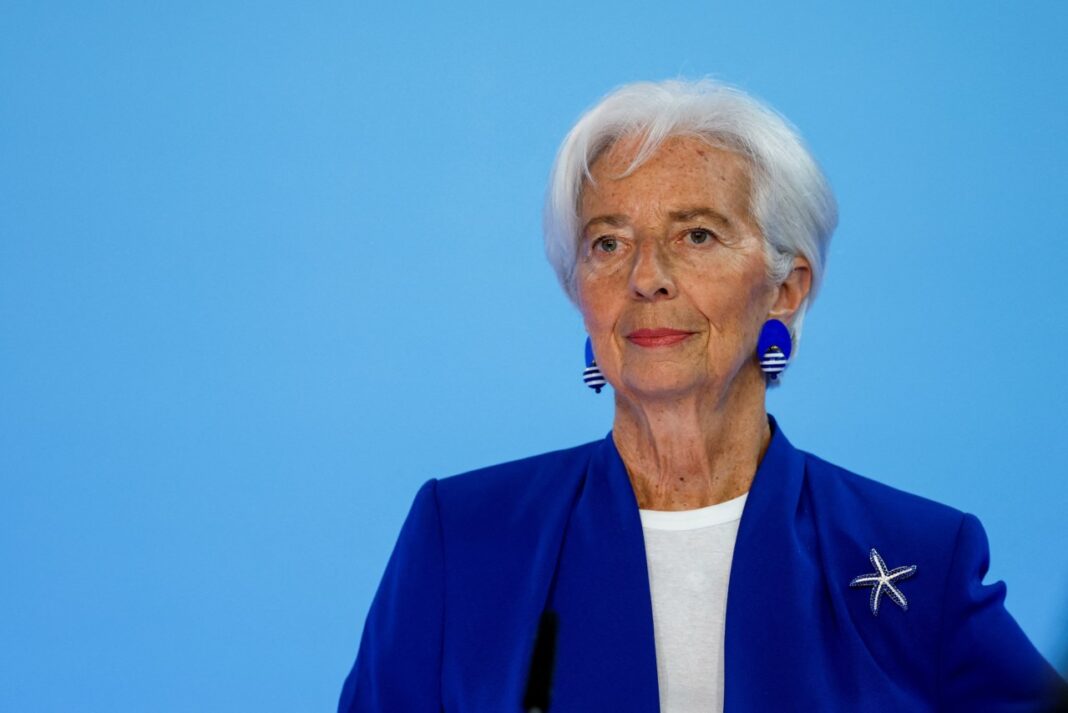
Christine Lagarde, president of the European Central Bank, played a key role in preventing Binance from expanding across Europe. Her intervention came as the crypto exchange faced mounting legal troubles in the United States. Binance later pleaded guilty to financial-crime violations there.
The ECB chief pushed regulators to scrutinize Binance’s operations within the European Union. Her efforts helped block the company from securing a license to operate freely in the region. This marked a significant shift in how EU officials approached major crypto firms.
Binance had been seeking a foothold in Europe amid growing global pressure. U.S. authorities accused the exchange of violating anti-money laundering rules. The company ultimately admitted to those charges and agreed to pay billions in penalties.
Lagarde’s stance reflected broader concerns about crypto’s role in illicit finance. She has consistently called for strict oversight of digital assets. Her influence helped align EU regulators behind a tougher approach.
The move dealt a blow to Binance’s global strategy. Europe had been a key market for the exchange’s expansion plans. Without EU approval, its ability to serve customers there became severely limited.
Other crypto companies took notice of the ECB’s actions. The decision signaled that Europe would not welcome firms with serious legal violations. It also reinforced the EU’s push for comprehensive crypto regulations.
Binance has since faced increased scrutiny worldwide. Regulators in multiple countries have examined its practices. The exchange has pledged to improve compliance and rebuild trust.
Lagarde’s intervention highlights the growing power of central banks in shaping crypto policy. Her actions may set a precedent for how Europe treats major digital asset firms. The episode underscores the tension between crypto innovation and financial crime enforcement.