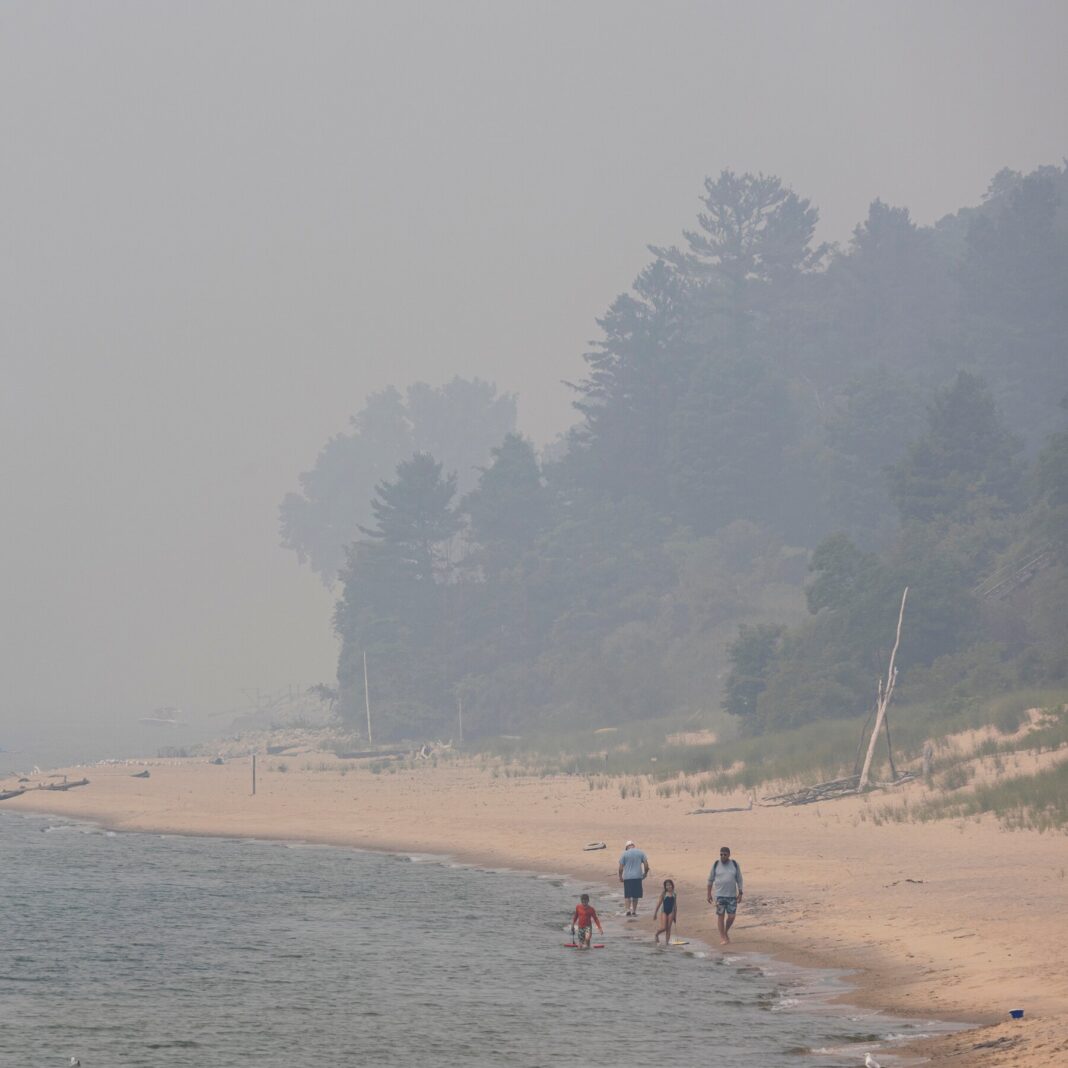
A travel journalist who typically documents other people’s vacation disasters found herself at the center of her own travel nightmare this summer. Her long-awaited family trip became a case study in how climate disruptions are reshaping the American travel experience.
The trip began with a series of delayed flights due to dense wildfire smoke blanketing the Midwest. What should have been a simple connection turned into a multi-hour ordeal as visibility dropped and airports issued ground stops.
Smoke from Canadian wildfires had drifted south, creating hazardous air quality conditions across several states. Airlines struggled to maintain schedules as pilots faced reduced visibility and authorities implemented safety protocols.
The family eventually reached their destination, but the chaos did not end there. A tornado warning forced the group into a basement shelter at their hotel, adding a layer of panic to an already stressful journey.
Storms had formed along the same weather system that brought the smoke, creating a volatile mix of atmospheric conditions. Meteorologists noted that the collision of dry wildfire air and humid Gulf moisture created prime conditions for severe weather.
The experience highlights a growing reality for travelers: climate events no longer happen elsewhere. They now interrupt trips at every stage, from departure to arrival and everything in between.
Airport infrastructure is straining under these new pressures. Delays cascade through the system, and airlines face the challenge of rebooking hundreds of passengers when weather windows close unexpectedly.
Travel insurance claims related to weather events have risen sharply in recent years. Industry data shows that smoke, heat, and storms now rival traditional causes like snow and hurricanes when it comes to trip disruptions.
For the reporter, the trip served as a personal lesson in resilience. The skills she had honed covering others’ misfortunes became essential tools for managing her own family’s expectations and frustrations.
Flexibility proved more valuable than careful planning. The family abandoned their original itinerary and embraced whatever activities were possible in the given conditions, discovering local options they might otherwise have missed.
Travel experts advise that adaptability is now a necessary skill for any traveler. Booking refundable fares, keeping electronics charged, and packing essentials in carry-ons have moved from suggestions to necessities.
The summer of 2026 will likely be remembered as a turning point. With each new weather event, the travel industry is being forced to adapt to a reality where the only constant is change itself.