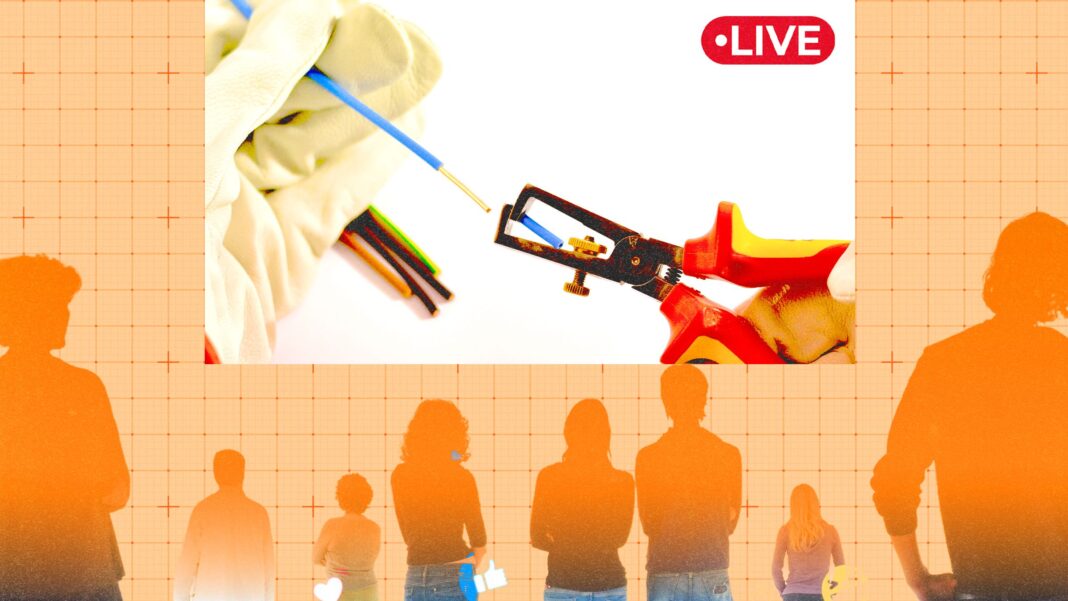
Copper prices have climbed to record highs, drawing attention from an unlikely group: TikTok creators. Rather than only stripping wire themselves, many are building audiences by teaching others how to do it. The real revenue often comes from selling tools and guidance rather than scrap metal.
Videos showing copper wire being stripped and sorted attract steady viewership. Creators demonstrate techniques, compare tools, and explain how to identify valuable wire types. The content turns a manual chore into a watchable, repeatable process.
The economics are straightforward. High copper prices make scrap recovery more attractive to households and small operators. That interest creates demand for instruction and for the specialized tools creators promote.
Tool sales have become the central business model for many accounts. Creators earn through affiliate links, sponsored products, and their own branded equipment. Teaching the skill pays more reliably than the physical labor of stripping wire.
Scrap copper itself remains a legitimate source of income. Sellers must sort wire by gauge and insulation type to get better prices. Clean, stripped copper generally fetches more than insulated wire at recycling centers.
Safety and legality matter. Stripping wire can cause cuts, and burning insulation to expose copper is illegal in many areas due to toxic fumes. Creators who emphasize safe hand tools and proper disposal tend to build more credible followings.
The trend reflects a broader shift in side hustles. Social media rewards people who document and teach practical skills, not just those who perform them. Copper stripping fits that pattern because it is visual, easy to film, and tied to a commodity with a clear price.
Growth may depend on copper markets and platform algorithms. If prices fall, interest in scrap recovery could cool. For now, the combination of high metal values and eager audiences keeps the niche profitable for those who teach it.