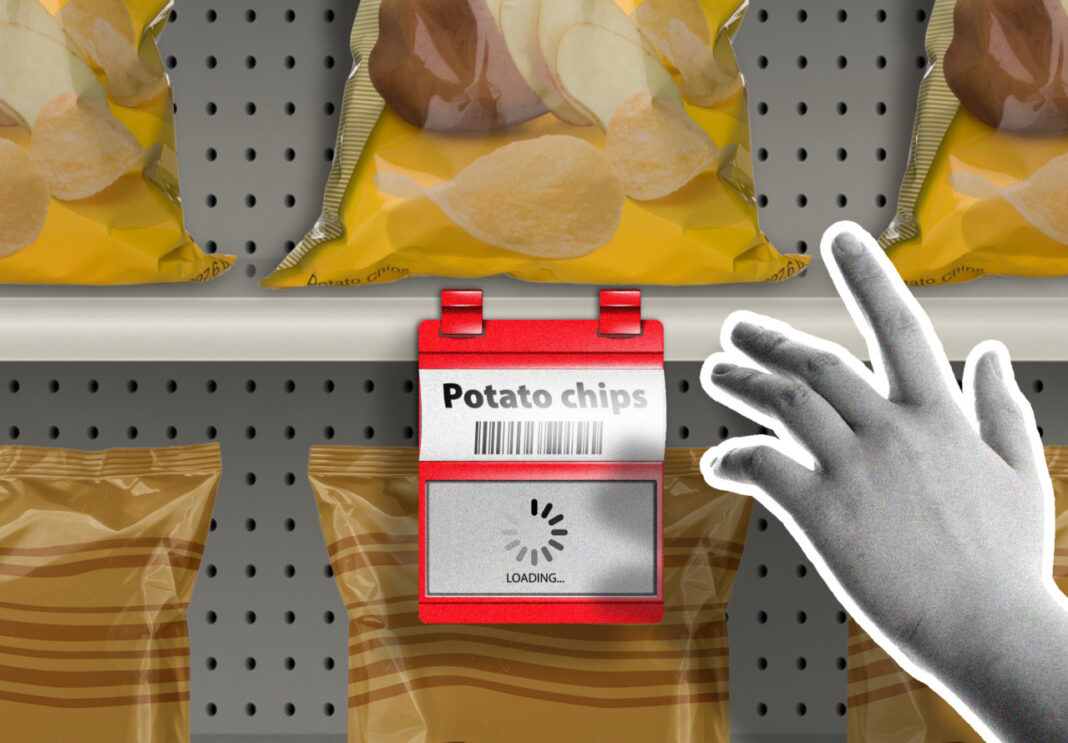
Retailers including Walmart and Best Buy are replacing paper price tags with digital shelf labels. The electronic tags display prices on small screens and can be updated remotely.
The shift is spreading across major chains as stores seek faster, more efficient ways to manage pricing. Digital tags allow staff to change prices instantly without printing new labels.
Supporters say the technology reduces costs and improves accuracy. Electronic labels eliminate the labor of manually swapping paper tags and cut down on pricing mistakes.
Critics worry the tags could enable dynamic pricing, where different shoppers see different prices. The concern is that stores could adjust prices based on demand, location, or customer data.
Retailers say the tags are not designed for personalized pricing. They describe the systems as a tool for operational efficiency and routine price updates.
Consumer advocates are calling for transparency and oversight. They argue shoppers should know whether prices vary and on what basis changes are made.
Regulators have begun paying closer attention to digital pricing practices. The technology raises questions about fairness and disclosure that may invite new rules.
For now, digital tags remain a growing fixture in stores nationwide. How they are used will likely shape the debate over pricing fairness in the years ahead.