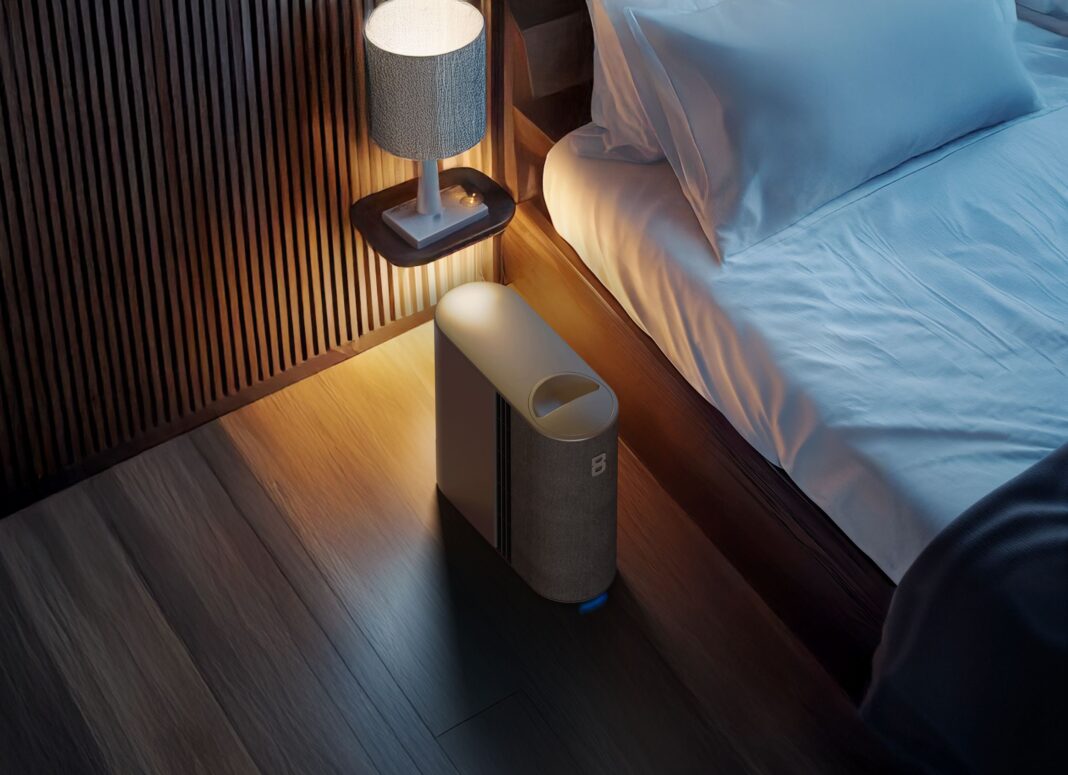
The Eight Sleep Pod 5 mattress cover is engineered to regulate temperature while tracking sleep patterns. It uses water-based cooling and heating technology to heat or cool each side of the bed independently. The system responds dynamically to the sleeper’s stage of rest, adjusting throughout the night.
The device collects a wide array of biometric data. It measures heart rate, respiratory rate, and movement through sensors embedded in the cover. The Pod 5 also tracks time spent in different sleep stages, including light, deep, and REM sleep.
This data is presented in a daily dashboard within the companion app. The app provides breakdowns of sleep quality factors, alongside personalized suggestions for improvement. Users can also manually adjust the temperature settings from the app or by voice command.
The Sleep Pod 5 requires a persistent internet connection to function. The system sends sleep data to Eight Sleep’s servers for analysis and storage. This dependency raises immediate privacy concerns for users.
The company states that all data is encrypted in transit and at rest. Data is not sold to third parties, according to the privacy policy. However, the policy allows the company to use aggregated, anonymized data for product improvement and research.
The device is also notably noisy in its operation. The water pump and fan produce a constant, low hum during the night. This sound is audible enough to be disruptive to light sleepers or those sensitive to ambient noise.
Setup of the system is relatively straightforward. The cover fits over existing mattresses, and the water tank and pump sit next to the bed. The device requires periodic refilling and standard maintenance every few weeks.
Durability remains a question for long-term use. The internal pump and water components represent potential failure points, though the company offers a limited warranty. Replacement parts are available, but cost can add up over time.
The Pod 5 is practical for those who struggle with temperature regulation at night. It provides effective cooling and heating on demand. This functionality is its primary sell, separate from the data tracking features.
However, users must accept the trade-off of constant monitoring and ambient noise. The device suits tech-oriented users comfortable with data collection. For others, the combination of cost, noise, and privacy concerns may outweigh the benefits.