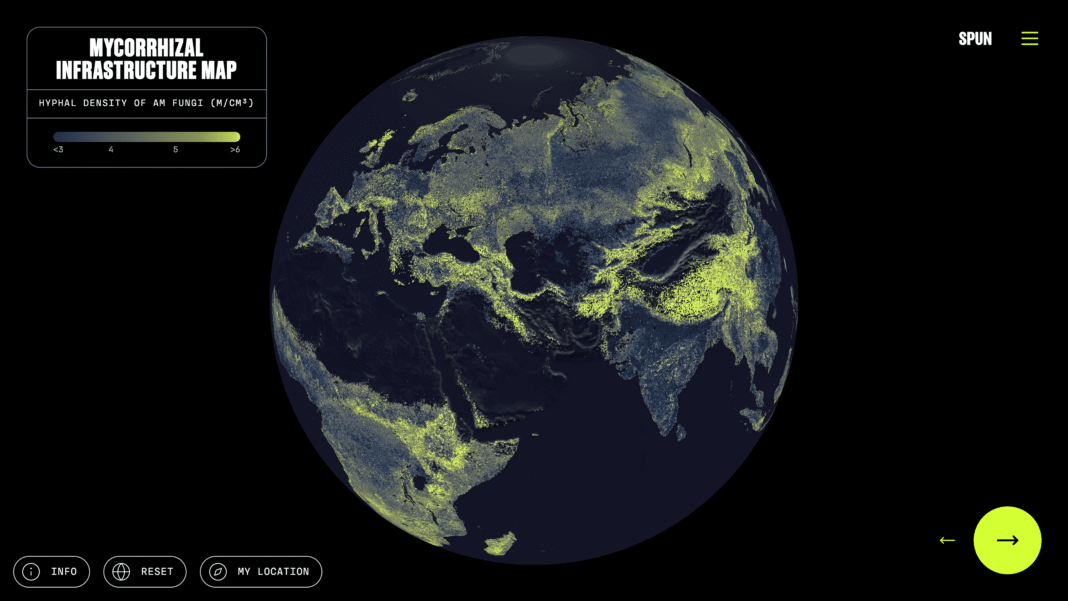
Beneath the Earth’s surface lies a vast, ancient network of fungi that sustains plant life and regulates the climate. Scientists have now created the first complete map of this underground system.
The study marks a significant milestone in understanding how fungi connect roots across continents. Researchers collected and analyzed thousands of soil samples from around the world.
This fungal network, known as mycorrhizal fungi, forms symbiotic relationships with most plants. It exchanges nutrients and water with roots, enabling forests and crops to thrive.
The map reveals where these fungi are most abundant and active. It highlights critical regions in the tropics and temperate zones where the network is densest.
Fungi also play a key role in carbon storage. The network helps trap carbon dioxide in the soil, which can impact global warming trends.
The findings could guide conservation efforts and agricultural practices. Protecting these fungal connections may become a priority for maintaining ecosystem health.
Future research will focus on how climate change affects this hidden web. The map provides a baseline for monitoring changes over time.
This discovery underscores the importance of soil biodiversity. It offers a new perspective on the living infrastructure beneath our feet.