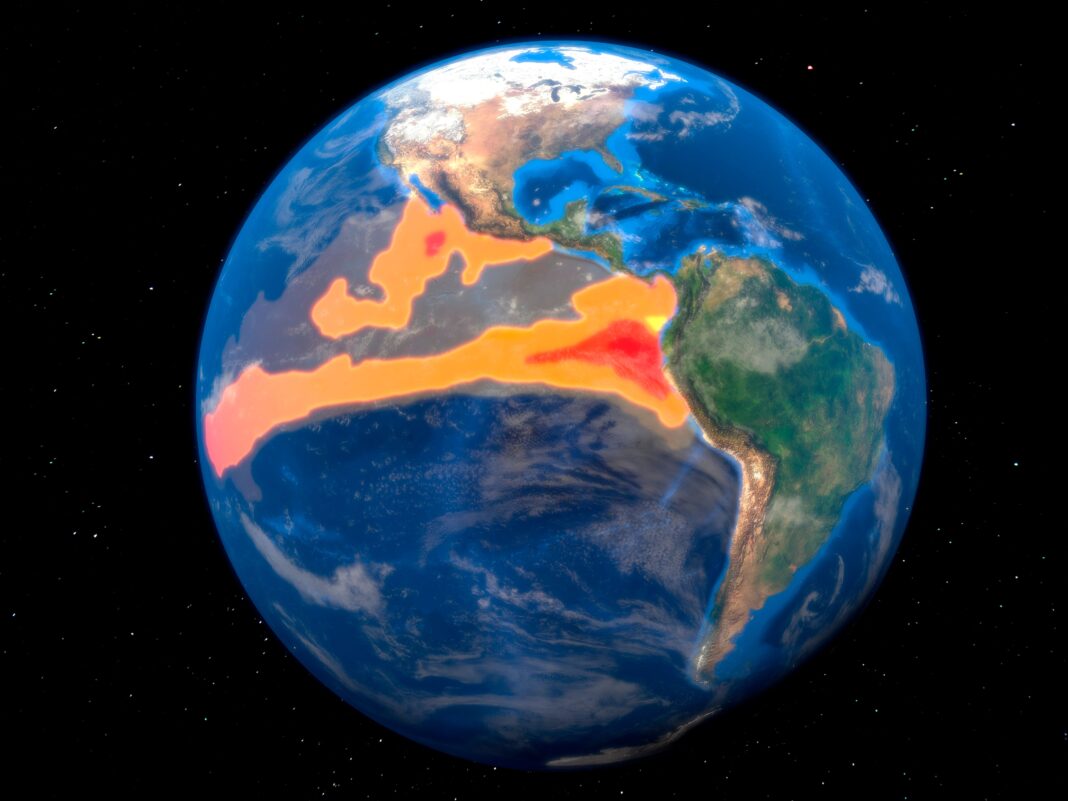
El Niño has arrived, and forecasters warn it may become the strongest on record. The climate pattern, marked by warmer-than-average sea surface temperatures in the central and eastern Pacific Ocean, is already reshaping weather systems worldwide. Scientists track its development closely because its effects ripple far beyond the tropics.
The phenomenon disrupts normal atmospheric circulation. Trade winds weaken, allowing warm water to shift eastward toward the Americas. This redistribution of heat alters jet streams, storm tracks, and rainfall patterns across continents. For many regions, the result is extreme weather, from floods to droughts.
Water supplies face significant strain. Parts of South America and East Africa can expect heavy rains and landslides, while Australia, Indonesia, and Central America may experience severe dryness. California, recovering from its own drought cycles, could see both wetter winters and heightened flood risks. Reservoirs and agricultural systems in vulnerable areas will test their limits.
Economic consequences often follow the weather. Agriculture takes the first hit, with crop yields fluctuating across the globe. Commodity prices for staples like rice, wheat, and coffee tend to rise. Fisheries, particularly off Peru and Ecuador, suffer as warm water displaces nutrient-rich currents, reducing catch sizes and disrupting local livelihoods.
Infrastructure and energy sectors are not immune. Damaged roads and bridges from flooding require costly repairs. Hydroelectric power generation may decline in drought-hit zones, pushing energy prices upward. Meanwhile, storm-damaged coastal facilities and shipping delays add further financial pressure to global trade networks.
Public health risks amplify during strong El Niño events. Warmer and wetter conditions favor the spread of mosquito-borne diseases such as malaria and dengue fever. Food insecurity from failed harvests can lead to malnutrition, especially in developing nations with limited safety nets. Emergency response systems will face increased demands.
Historical data offers a stark baseline. The 1997-1998 event caused an estimated $5.7 billion in damage in the United States alone, with thousands of deaths globally due to extreme weather and disease. The 2015-2016 event similarly disrupted food supplies for tens of millions of people, particularly in Africa and Asia.
How severe this El Niño becomes remains uncertain. Climate models suggest continued warming in the Pacific, but natural variability can temper or intensify its strength. Governments and aid organizations are already pre-positioning supplies and updating disaster plans. Early action may blunt the worst outcomes, but vulnerable populations remain exposed.
For the public, preparation matters. Households in flood-prone or drought-prone areas should review emergency kits and water storage plans. Farmers may need to adjust planting schedules and crop choices. Communities reliant on consistent weather patterns should monitor local forecasts closely and heed official warnings.
El Niño is not a single weather event but a prolonged shift in global climate dynamics. Its impacts unfold over months, not days, and their full scope will not be clear until well into the season. Continued observation and data sharing between nations will guide the response.