Traveling the Hudson River Valley With Art as a Guide
Artists Thomas Cole and Frederic Church painted the American landscape two centuries ago. Their works now serve as historical records of a transformed world. A writer recently followed their trail through the Hudson River Valley.
The journey combined science and art history. It aimed to understand how the environment has changed since those early landscape paintings. The artist’s works provided a visual benchmark for comparison.
Cole and Church were central figures in the Hudson River School art movement. They documented the region’s natural beauty in the 19th century. Their paintings captured pristine forests, wide rivers, and dramatic skies.
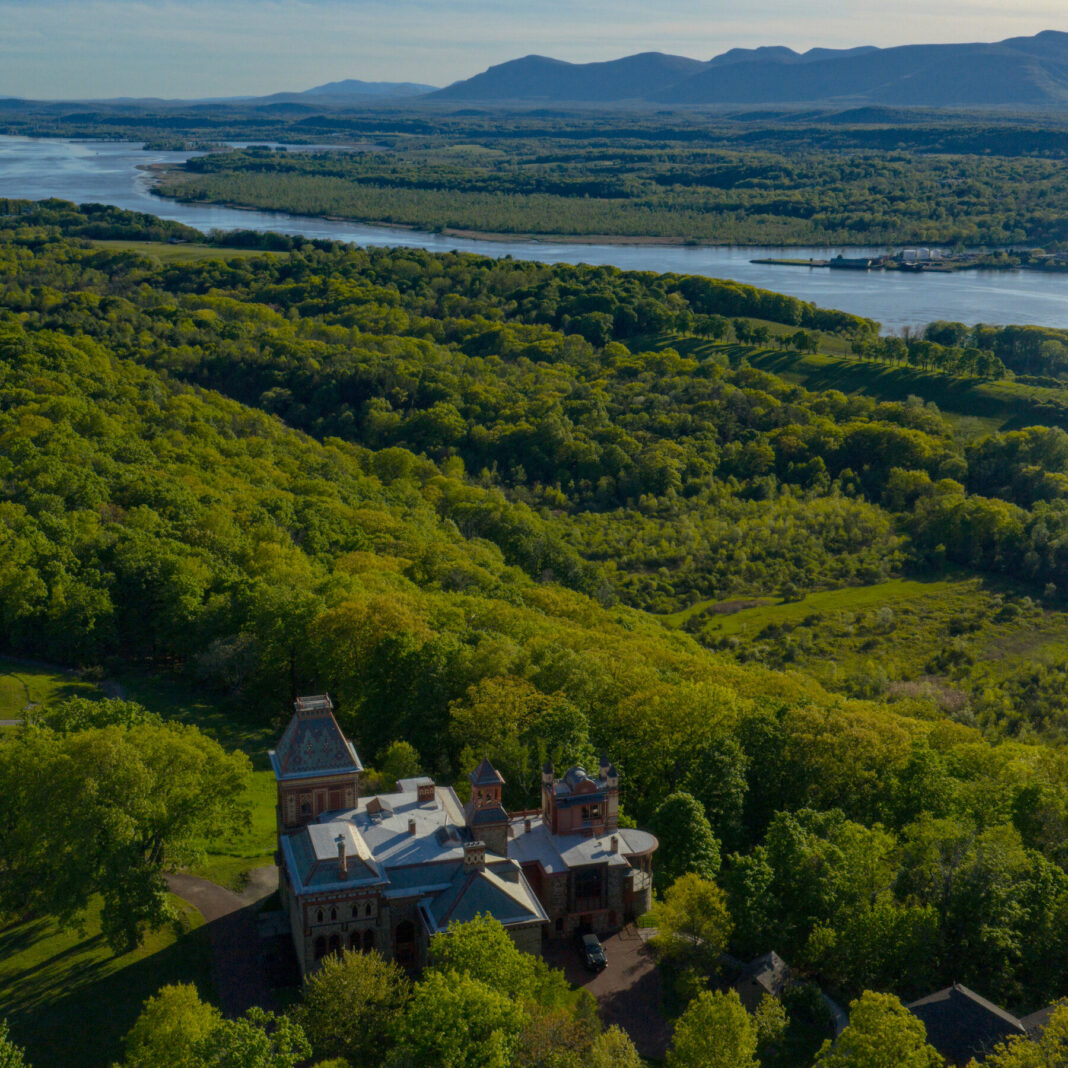
The modern trip traced specific locations featured in their works. Some sites remain recognizable. Others have been altered by development, deforestation, and climate shifts.
The writer used contemporary photographs alongside the original paintings. This side-by-side analysis revealed stark differences in vegetation and water levels. Some vistas now feature buildings where trees once stood.
Scientific data helped explain these visual changes. Records show higher average temperatures and altered precipitation patterns. These factors have reshaped the landscapes Cole and Church immortalized.
The paintings also highlight what has been lost. Certain tree species and wildlife once common are now scarce. The artwork offers a rare window into past ecosystems.
Despite the changes, the Hudson River Valley retains much of its scenic appeal. Many protected areas still echo the grandeur seen in the paintings. The art continues to inspire preservation efforts.
The journey demonstrated the power of art as a tool for environmental study. Paintings can serve as unexpected documents of ecological history. They remind viewers of what once was and what could be again.