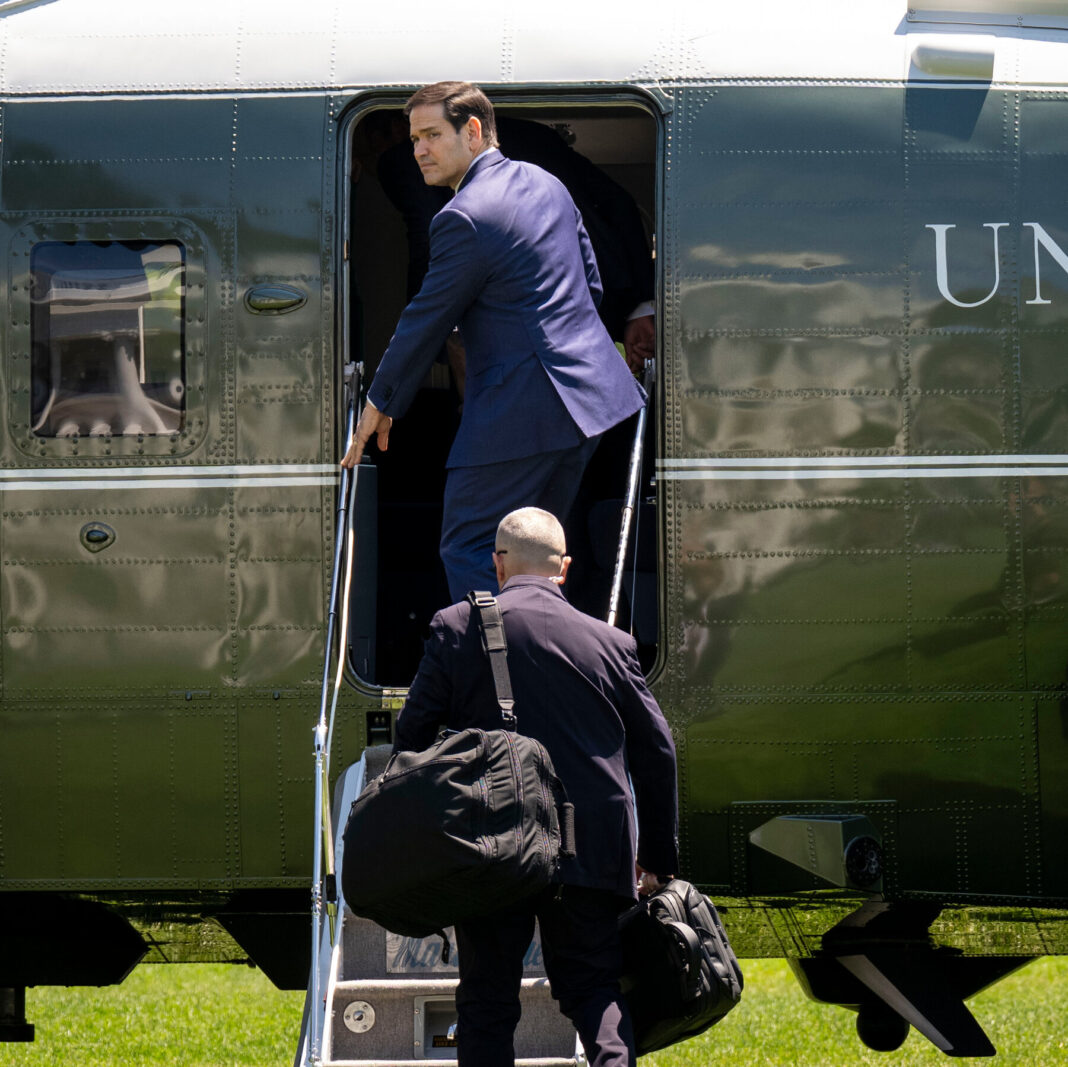
Secretary of State Marco Rubio stated that specific details regarding Iran’s nuclear program remain subject to further negotiation. The top U.S. diplomat indicated that Washington is ready to initiate those talks, contingent on Iran reopening the Strait of Hormuz.
This condition appears to be part of an emerging agreement related to ongoing regional conflicts. The Strait of Hormuz is a critical waterway for global oil shipments. Its closure has caused significant disruptions in international energy markets.
The United States has linked progress on nuclear discussions directly to Iran’s actions in the strait. Rubio did not provide a timeline for when formal negotiations might begin. He emphasized that the nuclear program’s scope and verification measures need to be resolved.
Iran has not yet publicly responded to the U.S. proposal regarding the strait. The ongoing war in the region has complicated diplomatic efforts. Both nations have previously exchanged warnings about military escalation.
Analysts suggest the linkage between the strait and nuclear talks is a strategic move. It pressures Iran to de-escalate one conflict before addressing another. The U.S. aims to ensure maritime security as a prerequisite for broader dialogue.
The negotiation framework remains fluid, with key issues still open. Diplomats from other world powers are expected to be involved in future discussions. The outcome could reshape security dynamics in the Middle East.