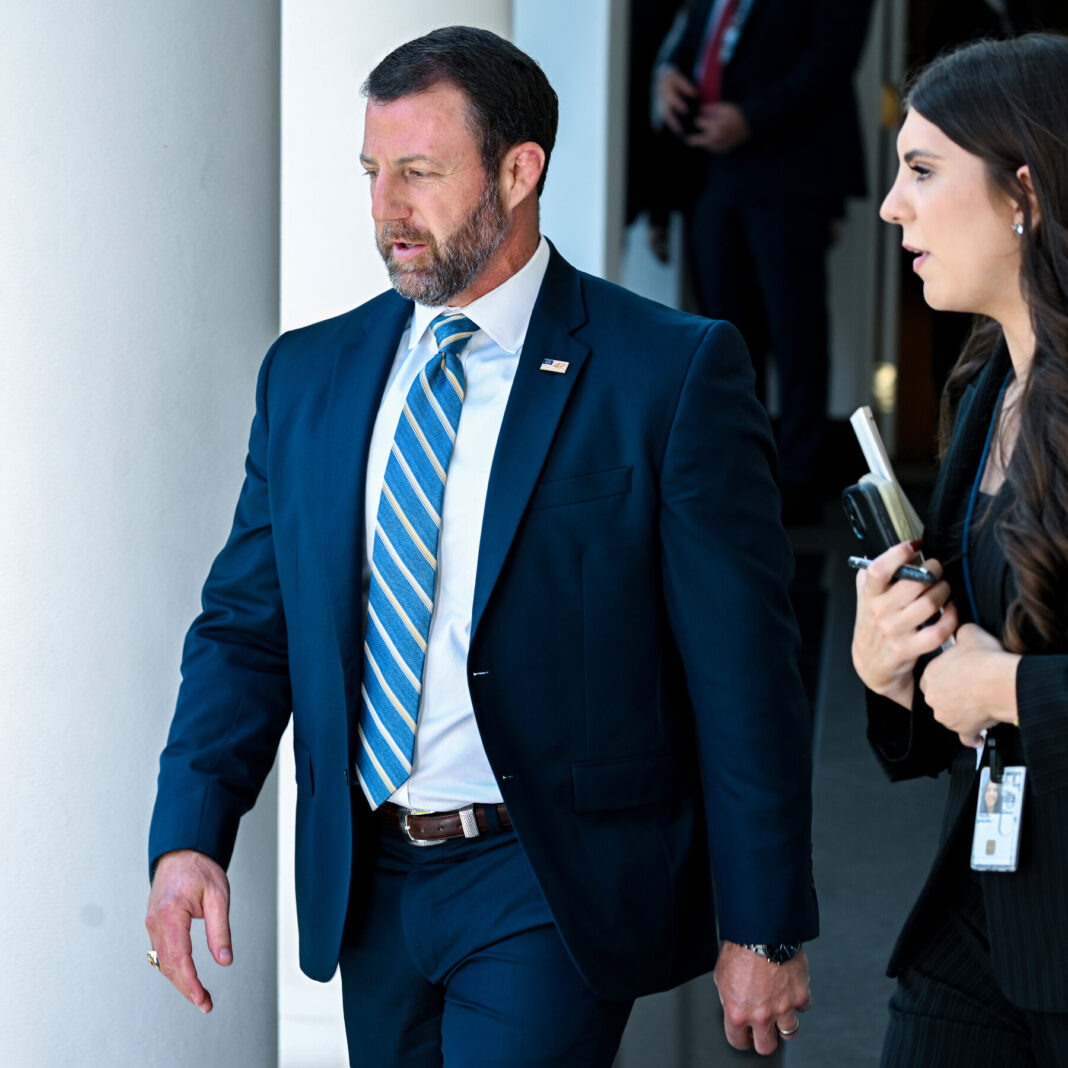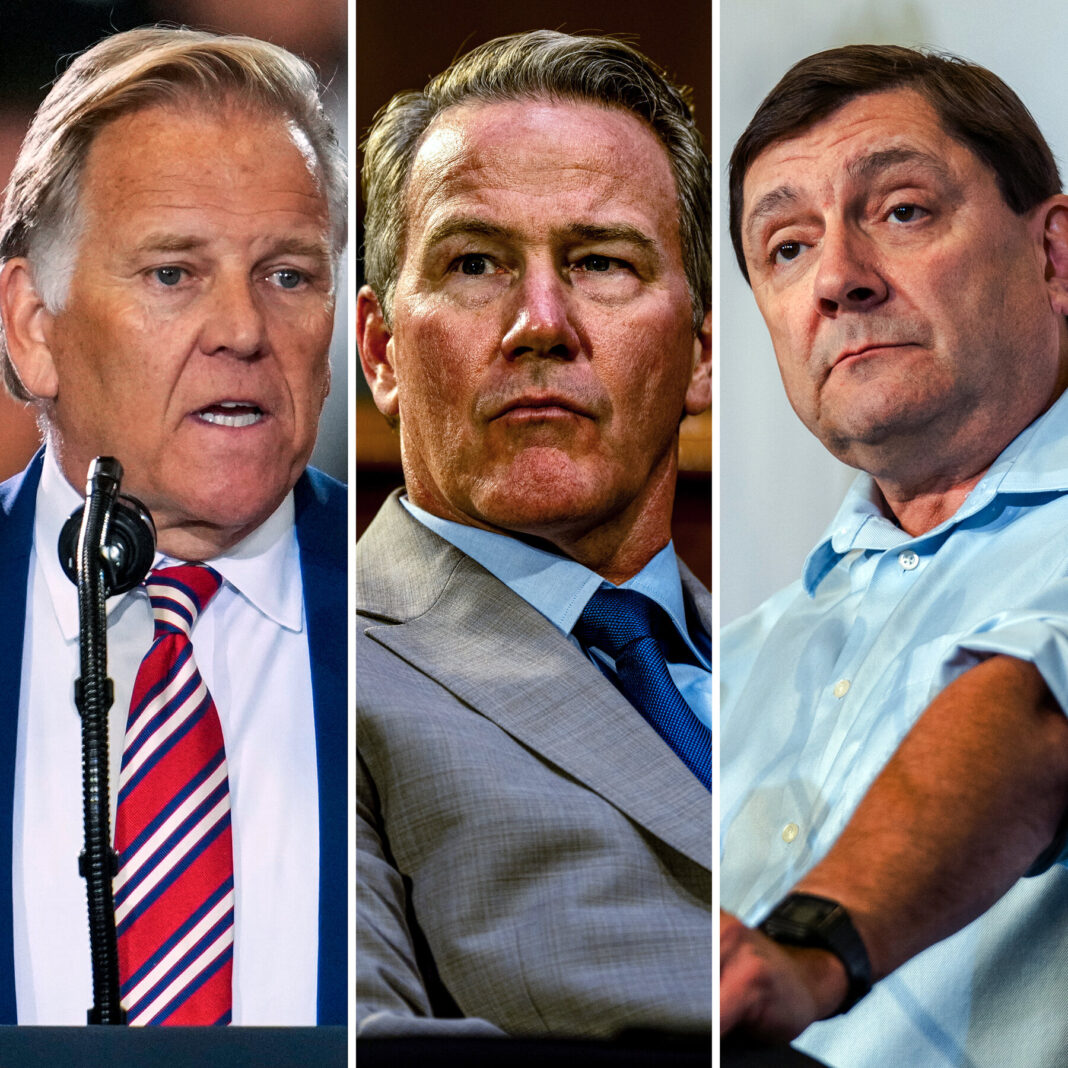
Fact-checking efforts in three competitive Senate races reveal sharp contrasts in messaging between the two parties. Republican campaigns have centered their attacks on terrorism and illegal immigration, aiming to frame Democratic opponents as weak on national security. Democrats, in turn, have targeted the political fallout from President Trump’s proposed cuts to Medicaid, which remain deeply unpopular with voters.
In Maine, the Senate contest has become a battleground over public health policy. Republican ads repeatedly tie the Democratic candidate to open-border positions, citing specific statements on immigration enforcement. Fact-checkers found those claims to be partially misleading, noting the candidate’s voting record on border security funding was more nuanced than portrayed.
Democrats in Michigan have hammered the incumbent Republican senator over Medicaid reductions. The campaign cites a nonpartisan analysis showing the proposed cuts would strip coverage from hundreds of thousands of residents. Independent verification supports the core of the claim, though the exact enrollment numbers depend on state implementation timelines.
Ohio’s race features the sharpest exchanges on terrorism-related votes. Republican messaging highlights a series of floor votes by the Democratic challenger against military funding packages. Reviews of the congressional record show those votes also included unrelated provisions, complicating the narrative that the candidate opposed counterterrorism efforts outright.
Across all three races, fact-checking groups have flagged a pattern of selective quotation. Both parties pull phrases from debates and speeches to fit their preferred storylines, often stripping necessary context. This practice has intensified as the November election approaches, with outside spending groups amplifying the most aggressive versions of each attack.
Polling indicates the Medicaid issue carries more weight with swing voters than immigration in these states. Surveys from late July show independent voters in Michigan and Maine rank healthcare costs above border security by a significant margin. Ohio’s electorate appears more evenly split on the two issues, with strong rural and urban divisions.
The candidates themselves have leaned into the national themes rather than local concerns. This strategy reflects a broader trend in Senate races, where base mobilization takes priority over persuading undecided moderates. Campaign finance reports show each side reserving significant airtime for television ads that repeat the core messages.
Fact-checkers have repeatedly corrected both camps for overstating their evidence. However, corrections rarely travel as far as the original attack ads, limiting their impact on voter perceptions. This dynamic underscores the difficulty of injecting accuracy into high-stakes political contests.
The outcome in these three states could determine which party controls the Senate. With all three seats rated as toss-ups, every percentage point matters. Voters will likely see an intensification of these competing narratives through Labor Day, as campaigns consolidate their arguments for the final stretch.