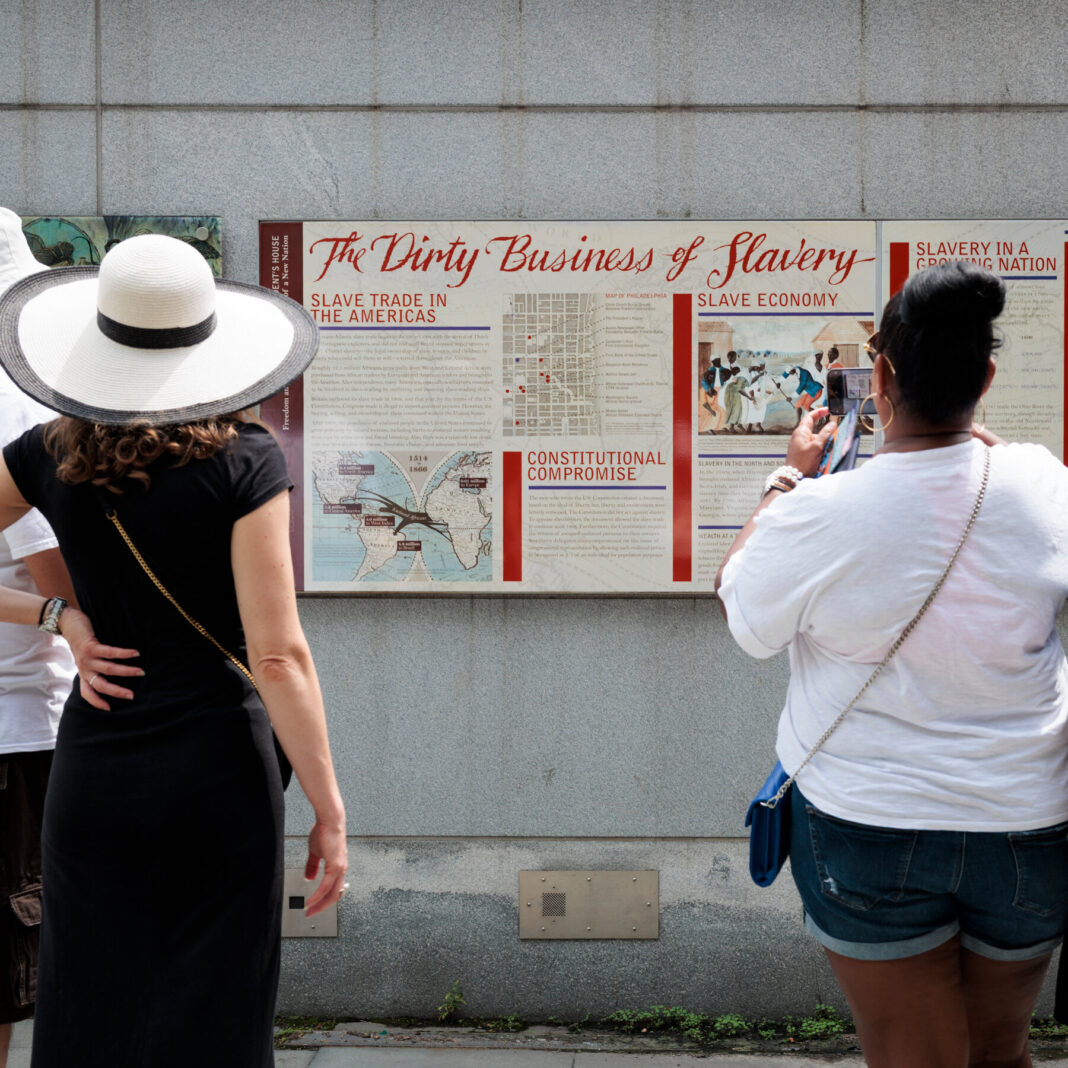
A federal judge has blocked the Trump administration from removing signs and exhibits that depict slavery or other “negative” aspects of American history from national parks. The ruling, issued on June 12, 2026, accused the administration of engaging in censorship by taking down materials at parks across the country.
The decision came in response to a policy that instructed park officials to remove or revise displays deemed unpatriotic or critical of the nation’s past. The judge found that this directive violated the First Amendment by suppressing viewpoints the government found unfavorable.
The policy had targeted sites like the National Park Service’s network of historic homes, battlefields, and monuments. Officials had removed plaques, photos, and written narratives that referenced slavery, violence against Native Americans, or environmental degradation.
The lawsuit was filed by a coalition of historians, civil rights groups, and former park employees. They argued the administration was rewriting history to avoid uncomfortable truths, stripping public lands of educational content.
The judge’s order requires parks to restore any removed materials and prohibits further removals without court approval. The ruling applies to all national parks and historical sites managed by the Department of the Interior.
Conservation and heritage organizations praised the decision, stating it protects the integrity of public history. They noted that national parks serve as educational resources, not promotional tools for any political agenda.
The administration argued the policy aimed to highlight positive achievements and foster national pride. The judge rejected this reasoning, stating it improperly suppressed speech based on viewpoint.
This case highlights ongoing debates over how the United States presents its history in public spaces. The ruling reinforces the principle that government entities cannot remove historical content to align with a particular narrative.