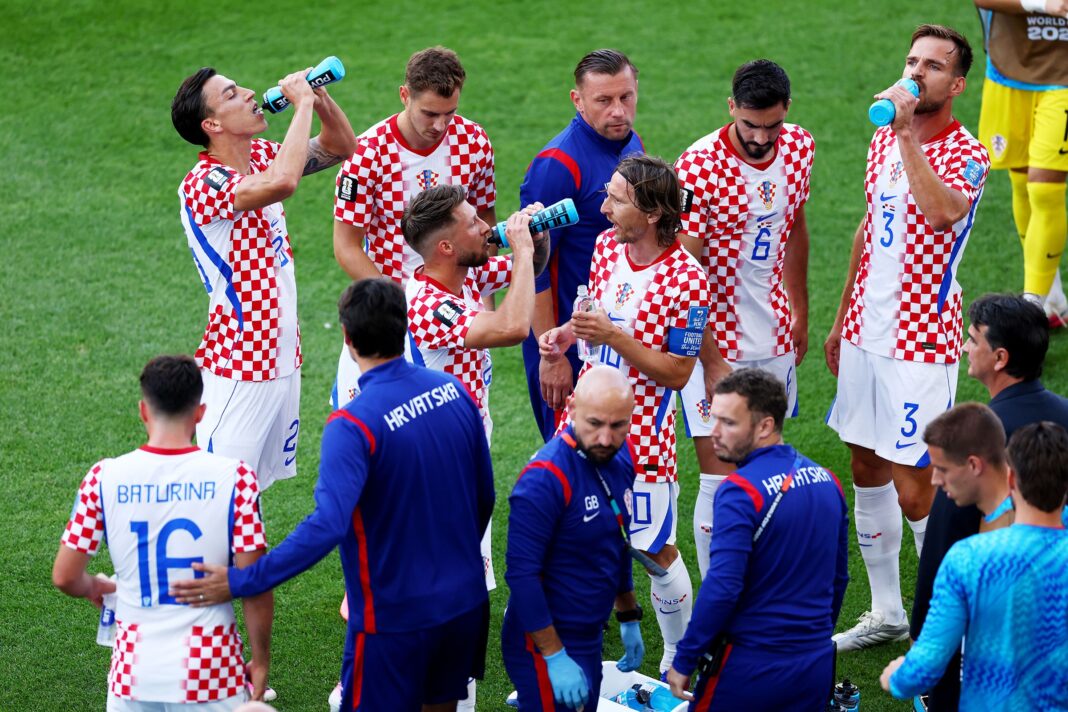
FIFA has introduced hydration breaks during World Cup matches, officially designed to protect players from extreme heat. The breaks pause play at scheduled intervals, allowing athletes to drink water and cool down. However, the decision has sparked widespread criticism from fans.
Supporters argue the breaks disrupt the flow of the game. Football traditionally operates without extended pauses beyond halftime. Many see the new rules as an unwelcome interruption to the sport’s natural rhythm.
The timing of the breaks has also drawn scrutiny. They occur during natural stoppages, such as goal kicks or injuries. Critics claim this transforms necessary health measures into predictable commercial opportunities.
Commercial interests quietly benefit from the added airtime. Advertisers gain extra exposure during these scheduled pauses. The breaks create new slots for sponsorship messages without appearing overtly promotional.
FIFA maintains player safety is the sole priority. Temperatures on the pitch can exceed dangerous levels. Officials insist the breaks are a medical necessity, not a marketing ploy.
The debate highlights a broader tension in modern sports. Balancing athlete welfare with fan experience remains a persistent challenge. The hydration break controversy reflects ongoing struggles to satisfy both sides.
Some observers view the criticism as overblown. The breaks last only a few minutes per match. They argue the health benefits outweigh the minor inconvenience to viewers.
Ultimately, the rule change underscores how professional sports evolve. Safety protocols increasingly influence game structures. The World Cup’s new breaks may set a precedent for future tournaments, regardless of fan frustration.