For a Select Few, IPOs Are Winners. Good Luck to Everyone Else.
Initial public offerings often generate significant buzz, but the biggest profits typically go to a small group of early buyers. Those who receive shares at the offer price have historically captured the largest returns. This pattern holds true for high-profile companies, and SpaceX is unlikely to break the trend.
Retail investors frequently struggle to access IPO shares at the initial price. Most shares are allocated to institutional investors and wealthy clients of underwriting banks. By the time the general public can trade, the stock has often already surged.
This dynamic creates a two-tiered market. Early buyers can flip shares for quick gains, while latecomers pay a premium. The system favors insiders and large funds over everyday traders.
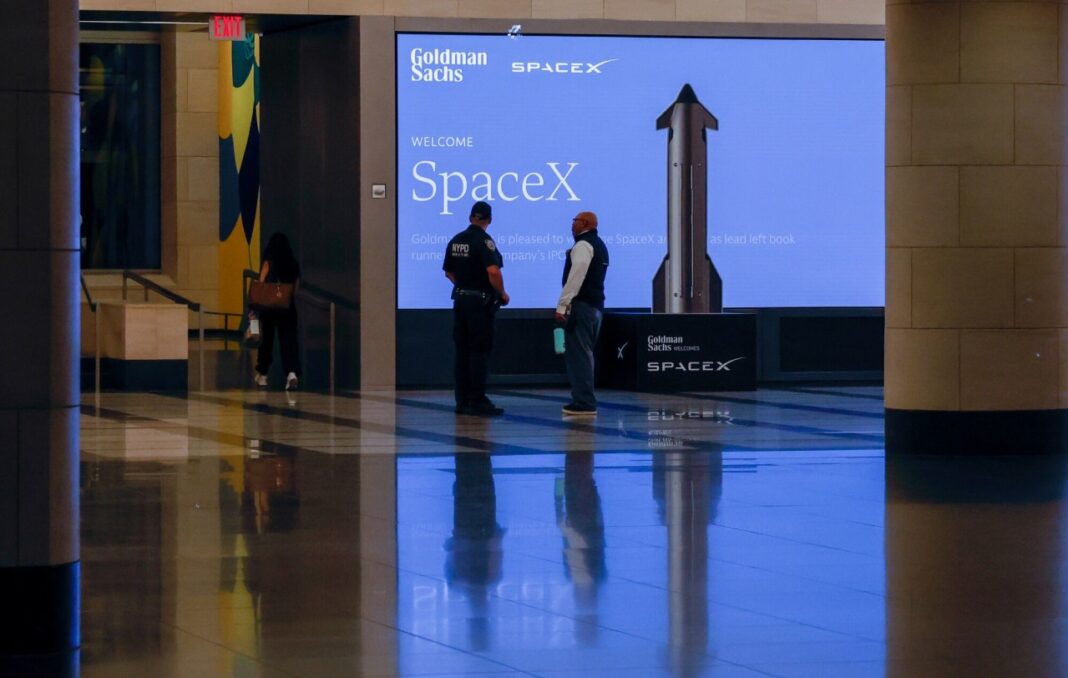
SpaceX, should it go public, will likely follow this established playbook. Demand for its shares is expected to be extremely high, given its dominance in space technology. Only a select few will likely get in at the ground floor.
The company’s private valuation already reflects strong investor confidence. A public debut could amplify that enthusiasm, but the early profits will probably concentrate among a small circle. Average investors may find better opportunities elsewhere.
This structure is not unique to SpaceX. It is a common feature of the IPO market, where supply is tightly controlled. Sellers aim to reward loyal clients and major backers first.
For those outside that circle, chasing IPO shares can be risky. Prices often volatile in early trading, and the initial pop may not last. Patience and careful analysis are more reliable than hoping for a lucky allocation.