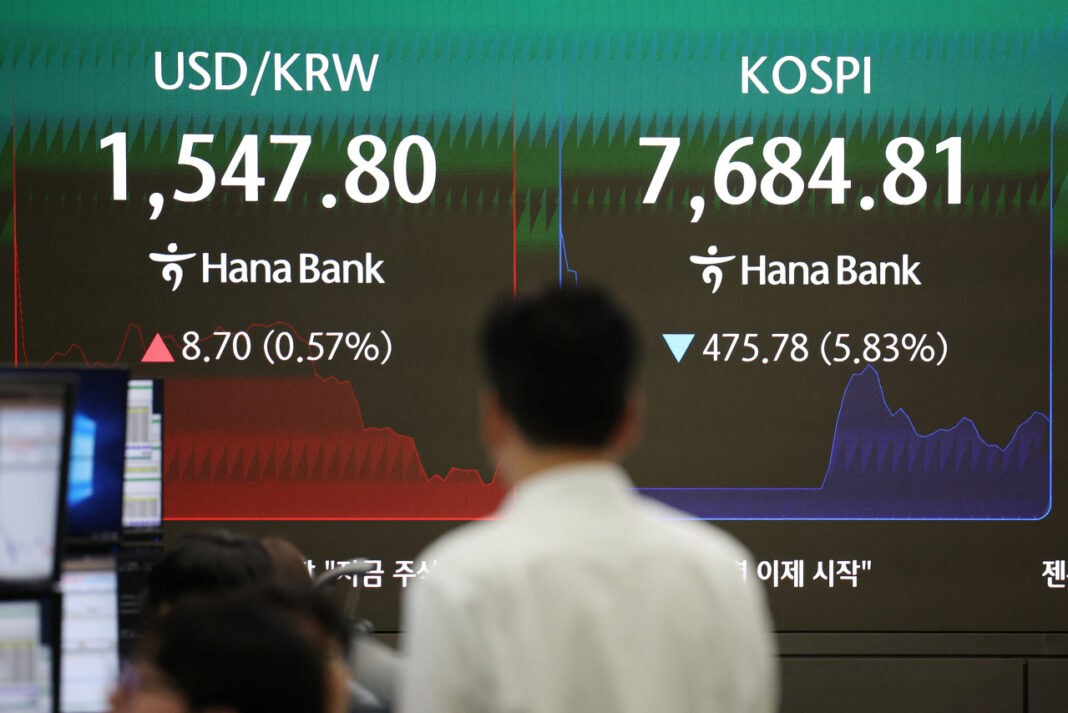
South Korean authorities have called on banks to strengthen oversight of foreign exchange transactions as the won continues to weaken. The request targets what officials describe as “speculative market-disrupting behavior.”
The move comes amid mounting pressure on the South Korean currency, which has fallen sharply against the U.S. dollar in recent months. Authorities are concerned that rapid currency depreciation could destabilize financial markets.
Banks are now expected to tighten controls on foreign currency trading, particularly for transactions that appear to have no clear economic rationale. The goal is to curb activities that may amplify the won’s decline.
South Korea’s finance ministry and central bank have been closely monitoring currency movements. They have previously intervened in the market to slow the won’s slide, but with limited success.
The won has been hit by a stronger dollar, global trade uncertainties, and domestic economic challenges. Persistent inflation and a slowdown in export growth have added to the currency’s woes.
Regulators are also scrutinizing offshore trading activity, which they believe may be fueling volatility. Increased oversight aims to deter short-term speculation that could harm longer-term economic stability.
The latest directive signals that authorities are prepared to use regulatory tools to support the won. Banks are being asked to cooperate fully in implementing these measures.
Observers note that such interventionist steps are common during periods of currency stress. However, their effectiveness may depend on broader global economic trends beyond South Korea’s control.
The request to banks is part of a broader strategy to maintain financial order. Authorities remain vigilant and ready to take further action if needed to protect the economy.