From horse-drawn carriages to the modern presidential aircraft, the story of how U.S. leaders travel is a reflection of changing times. Over nearly 250 years, each mode of transport has carried not just a president but also a message about American progress.
Early presidents relied on horse-drawn coaches for official travel. These journeys were slow and limited in range, often taking days to cover short distances. The carriage itself served as a symbol of dignity and authority.
The arrival of the railroad changed everything. Presidents began using dedicated railcars, most notably the armored “Ferdinand Magellan” used by Franklin D. Roosevelt. Train travel allowed for extended whistle-stop tours, bringing the president directly to the people.
The invention of the automobile offered greater flexibility. Presidents began using iconic cars like the Lincoln Continental, specially modified for security. Motorcades became a staple of modern presidential travel, offering a balance of visibility and protection.
Air travel marked a true revolution. Franklin D. Roosevelt was the first president to fly while in office, though jet travel became standard under Dwight D. Eisenhower. The first official presidential aircraft, a modified Boeing 707, was introduced in the late 1950s.
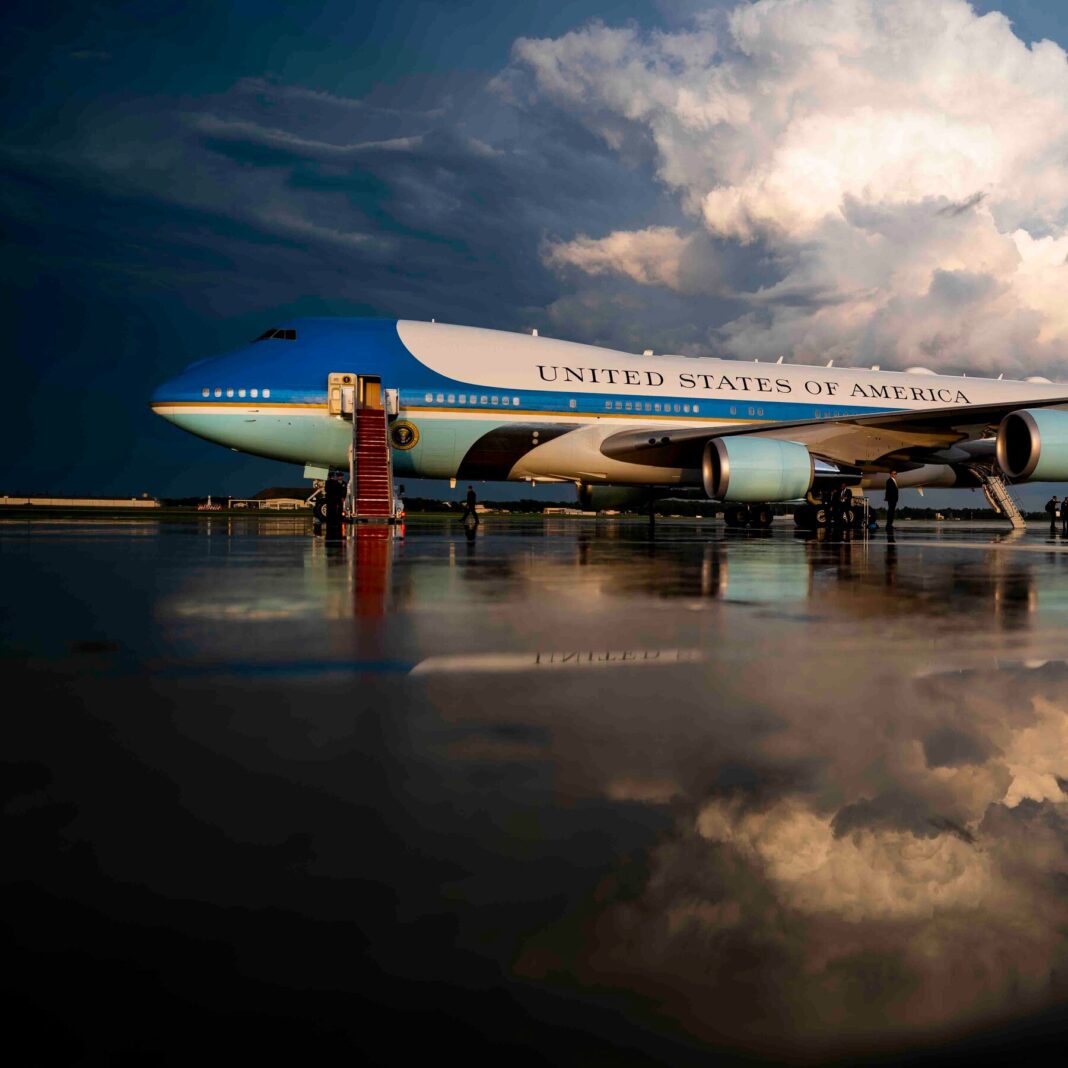
Today, Air Force One serves as the primary transport for the president. This heavily modified Boeing 747 is equipped with advanced communication systems and defensive measures. It functions as a mobile command center, capable of operating in crisis situations.
Each upgrade in presidential travel has increased speed, security, and reach. The choice of vehicle often reflects the priorities of the administration in power. The evolution continues with each new technological advancement.