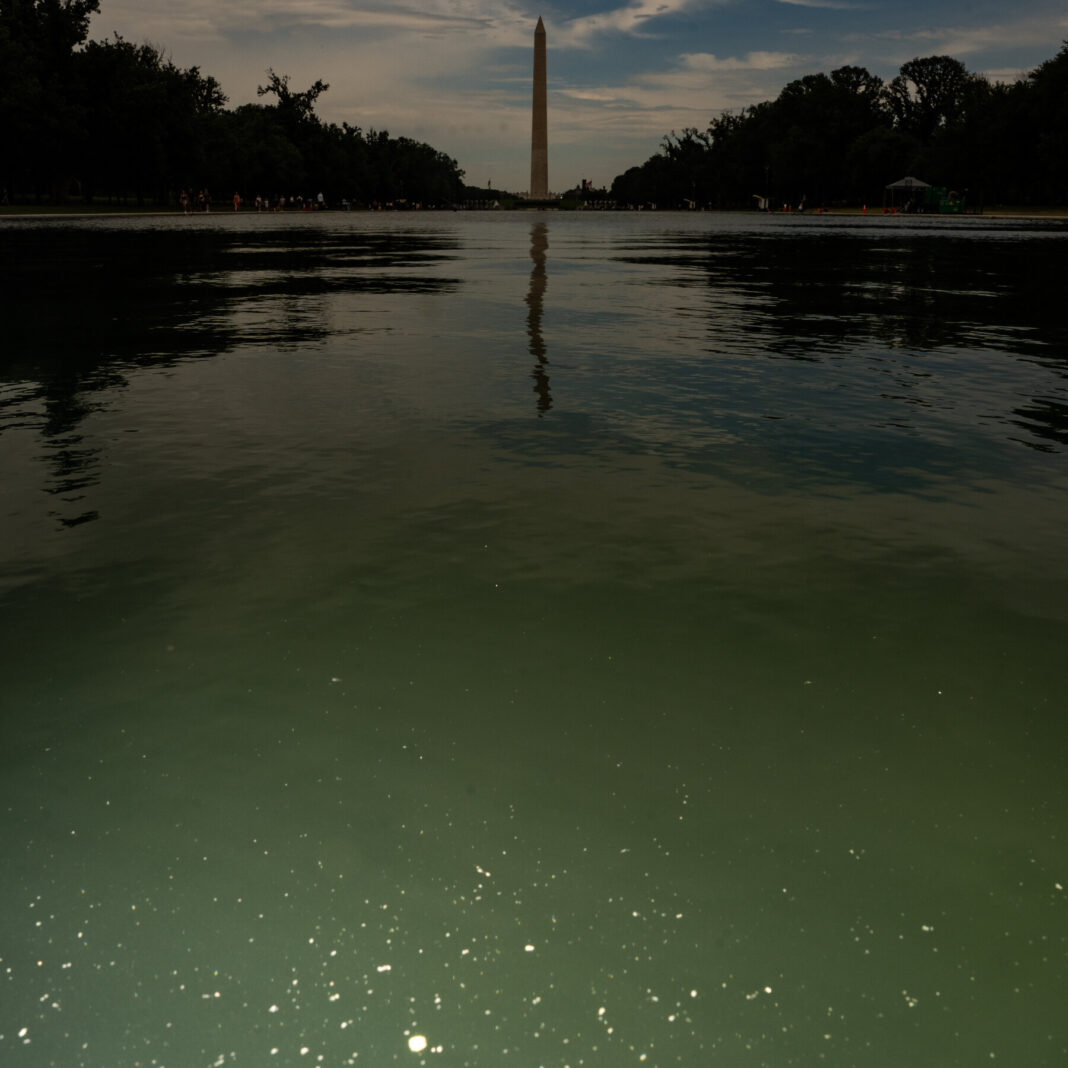
Algae blooms in the Reflecting Pool on the National Mall are prompting a reconsideration of how the iconic landmark is managed. The green scum, often seen as an eyesore, is now being viewed through a new lens. Officials are debating whether intervention or natural processes should take precedence.
The Reflecting Pool has a long history of maintenance challenges. It was never designed to sustain clear, pristine water. The shallow, warm conditions naturally favor algae growth. Frequent chemical treatments have been required to keep the water clear for visitors.
A growing number of scientists argue that the algae are not a problem to be solved. The blooms are a sign of a functioning, albeit simple, ecosystem. They provide oxygen and support microscopic life. The patriotic approach, some suggest, is to accept the natural cycle.
Environmentalists point out that chemical treatments can harm local wildlife. The Pool is home to ducks, turtles, and other species. Reducing intervention could create a healthier habitat. Allowing algae to thrive might align with broader conservation goals.
The National Park Service faces pressure from both sides. Some visitors demand the classic reflecting surface for photographs. Others appreciate the natural, dynamic appearance. Finding a balance between aesthetics and ecology remains a challenge.
Supporters of algae see a deeper symbolism. The green growth represents resilience and adaptation. It mirrors the nation’s ability to embrace change. Letting nature take its course could become a quiet statement about environmental stewardship.
The debate highlights a shift in public perception. What was once considered pollution is now seen as life. The Reflecting Pool may become a living laboratory for urban ecosystems. The choice ahead is not just about water, but about values.