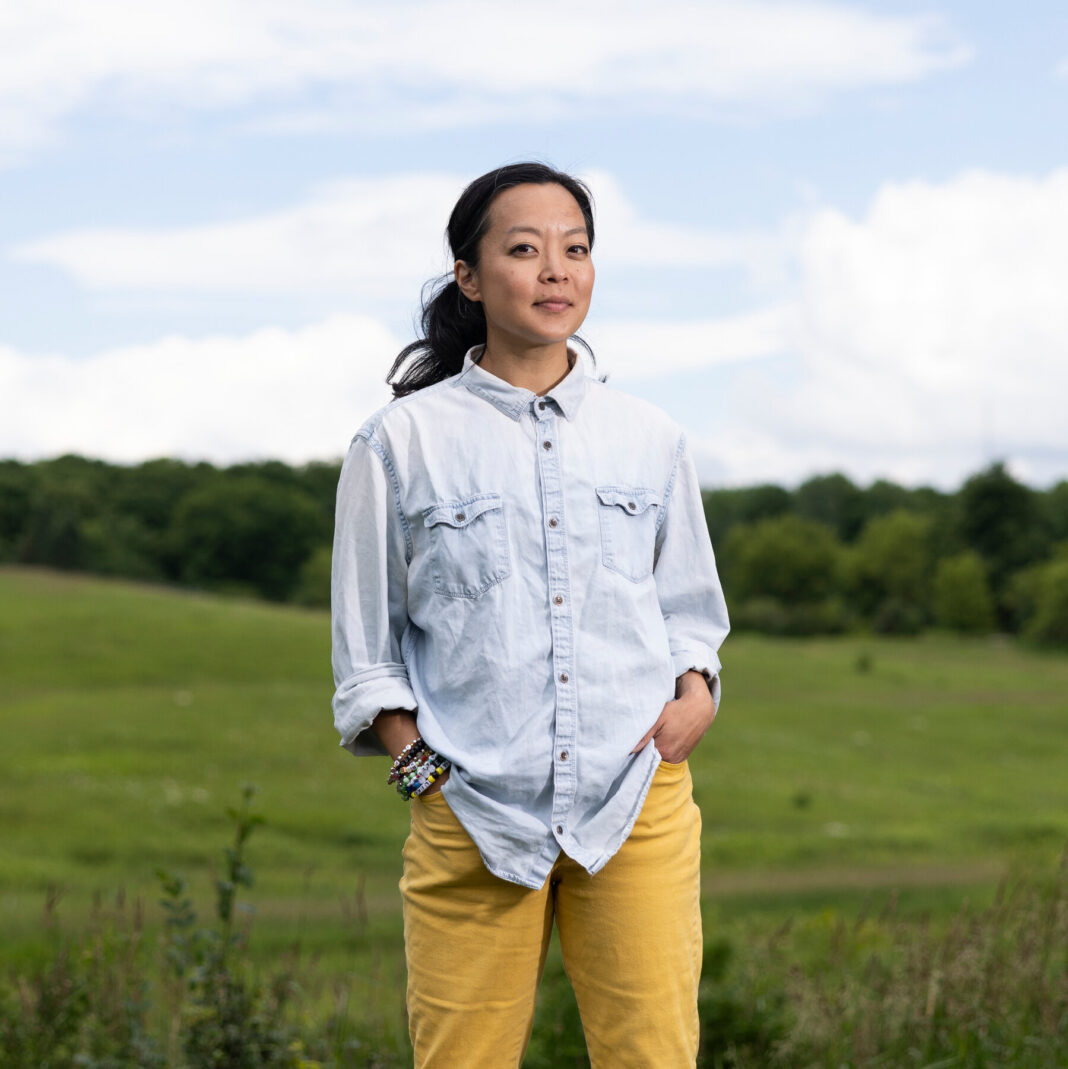
Democratic socialist state legislator Francesca Hong is running for governor of Wisconsin, aiming to prove that left-wing policies can succeed in a key swing state. She positions her campaign as a test of whether socialist ideals can gain traction beyond solidly blue districts.
Critics argue Hong’s candidacy would guarantee a Republican victory in an already competitive battleground. Opponents point to past losses by far-left candidates in similar statewide races as a warning sign for the party.
Hong’s platform focuses on universal healthcare, tuition-free public college, and expanded union rights. She acknowledges these proposals are ambitious but insists they resonate with working-class voters who feel abandoned by both parties.
Wisconsin’s electoral history shows narrow margins in presidential and gubernatorial races. Republicans have held the governor’s office for most of the past decade, with Democratic wins coming from moderate candidates.
The campaign has drawn national attention as a potential bellwether for progressive politics in purple states. National Democratic leaders remain cautious, preferring to support more centrist candidates who can appeal to independent voters.
Hong’s supporters argue that avoiding bold policies has failed to energize the party’s base in recent elections. They believe her unapologetically progressive approach could motivate young voters and working-class communities.
Political analysts suggest the outcome will depend on whether Hong can overcome skepticism about socialism’s electability. She must also address issues like inflation and crime that traditionally favor Republican messaging.
Early polling shows a tight race, with Hong trailing slightly against potential Republican opponents. Her campaign strategy emphasizes grassroots organizing and door-to-door canvassing in rural and suburban areas.
The election will serve as a real-world test of whether democratic socialism can win in a state decided by razor-thin margins. Results could shift national conversations about the future of the progressive movement.