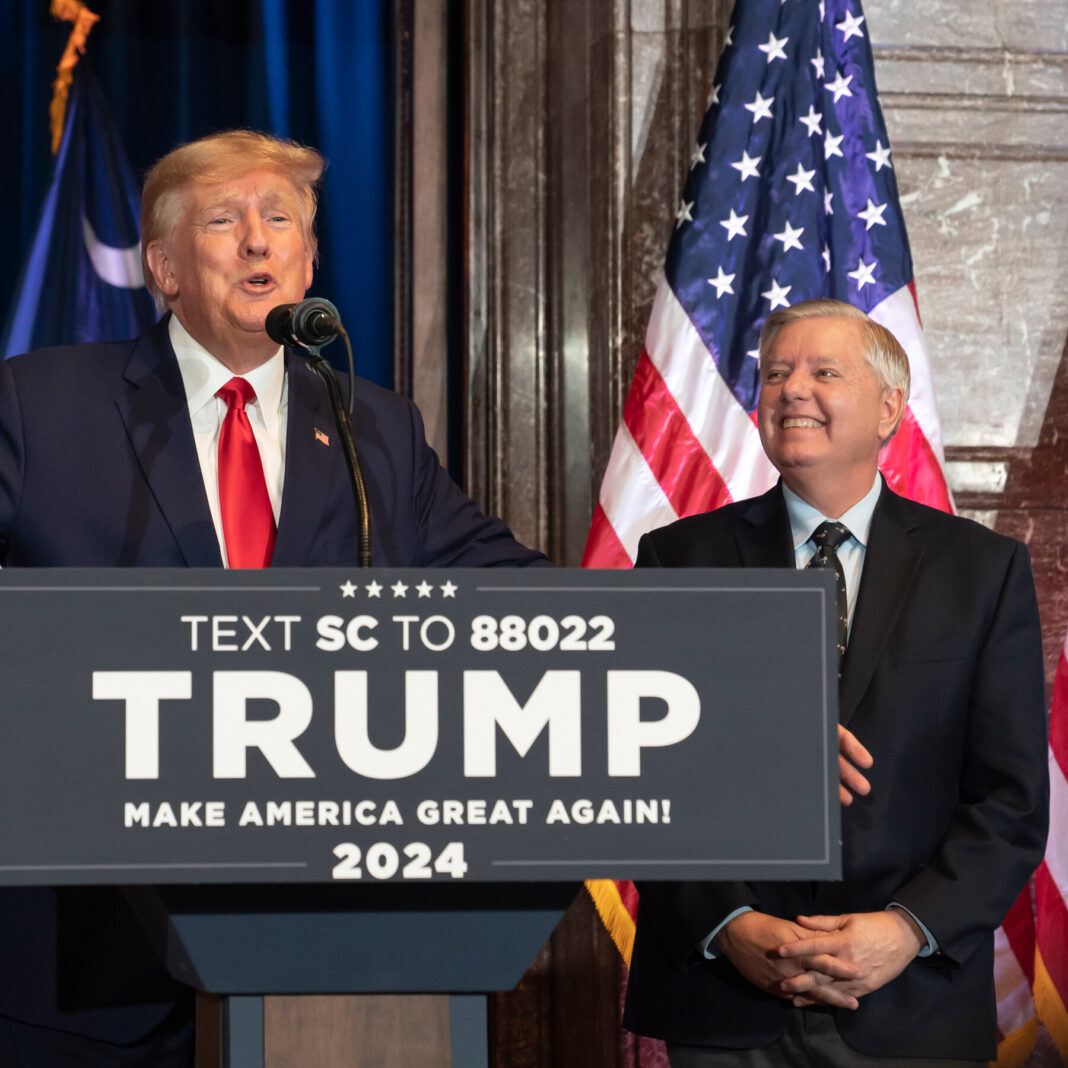
Senator Lindsey Graham once described himself as a vital “bridge” between the institution he revered and President Donald Trump. Graham relished that role, navigating the divide between the White House and the Senate. That bridge has now collapsed.
Graham’s deep respect for the Senate as an institution stood in contrast to Trump’s transactional view of the chamber. The president never shared Graham’s reverence for the legislative body. He often treated the Senate as an obstacle rather than a partner.
During Trump’s tenure, Graham worked to maintain relationships across the aisle. He defended Trump publicly while privately urging caution. The tension between loyalty to the president and loyalty to the Senate grew over time.
Graham’s role as a bridge required constant mediation. He spoke Trump’s language while trying to preserve Senate norms. The balancing act became increasingly difficult as Trump’s demands intensified.
The final break came after Trump criticized Senate leadership directly. Graham could no longer reconcile his dual allegiances. The bridge he built had no support on either side.
Now, Graham faces a changed political landscape. His influence within the Senate has diminished. Trump’s base views him with suspicion, while Senate colleagues question his independence.
The collapse of this relationship highlights a broader shift in Republican politics. Institutional loyalty has been eclipsed by personal allegiance to Trump. Graham’s journey reflects that painful transformation for many in the party.