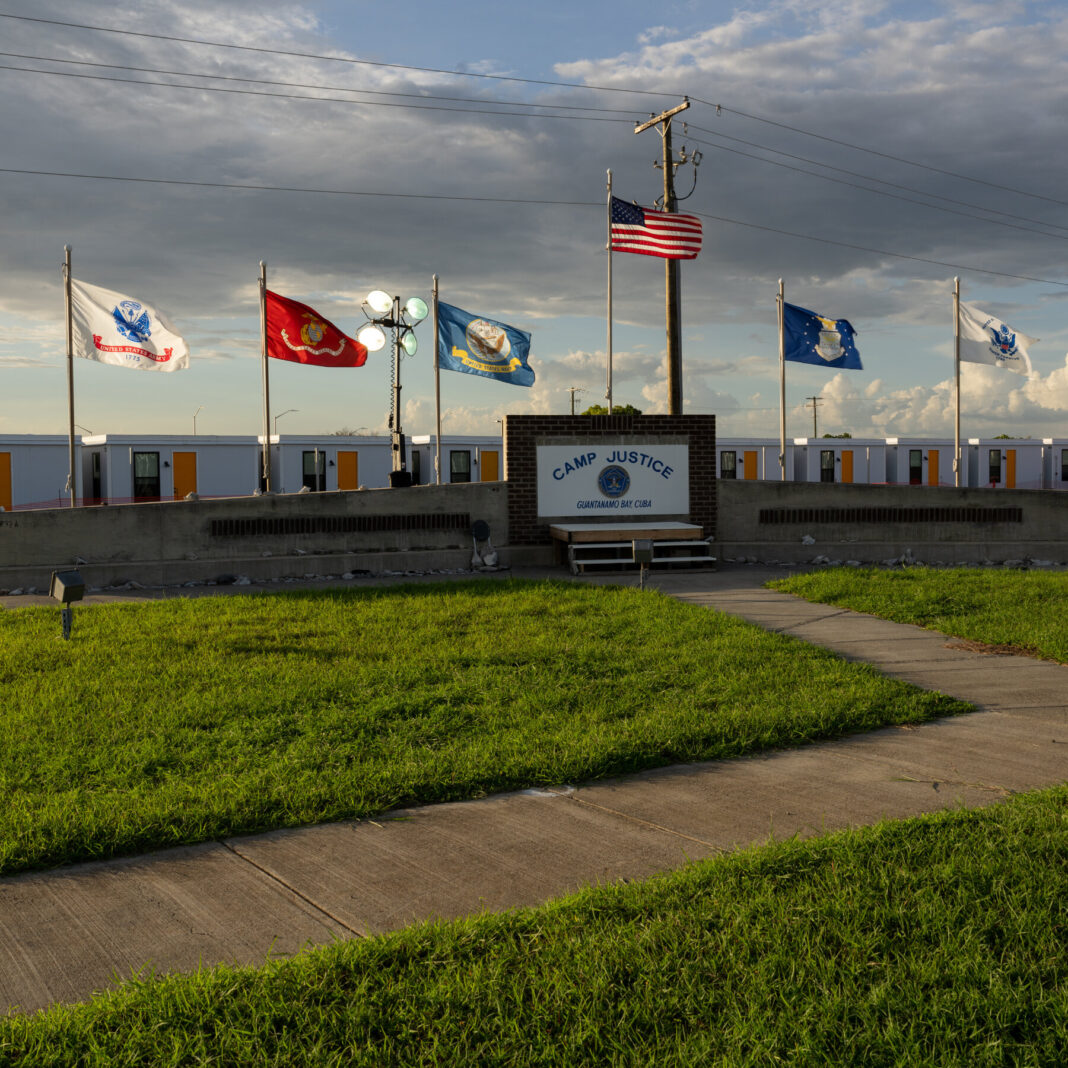
A prisoner remained the sole participant in a courtroom hearing for a death penalty case at Guantanamo Bay. The episode alarmed death penalty lawyers, who argued the judge had a duty to suspend the proceedings. They claimed the court must protect the rights of the defendant.
The defendant appeared alone without legal representation during the session. Lawyers criticized the judge for allowing the hearing to move forward under such conditions. The situation raised serious questions about legal safeguards in high-stakes trials.
Legal experts pointed to the constitutional right to counsel as a critical issue. Proceedings in capital cases require extra caution to ensure fairness. The judge chose not to halt the hearing despite the defendant’s isolation.
Court officials said the defendant voluntarily declined to have lawyers present. Defense attorneys contested this explanation, citing potential pressure or misunderstanding. They demanded a complete review of the hearing’s legality.
The case involves a high-profile prisoner facing potential execution. Military commissions at Guantanamo Bay operate under separate rules from federal courts. Critics argue these procedures erode fundamental rights.
This incident highlights ongoing tension between national security and due process. Human rights groups called for immediate intervention from higher courts. The outcome could set a precedent for future military commission hearings.
Proceedings are scheduled to resume next week. The defendant’s legal team plans to file motions to invalidate the recent session. The controversy continues to draw scrutiny from international legal observers.