Applying foundation later in life requires a shift in approach, according to makeup artists. Many traditional application techniques can emphasize lines and texture rather than smoothing the skin.
The texture and hydration level of the foundation matter significantly as skin ages. Artists recommend avoiding thick, matte formulas that settle into fine lines and dry patches.
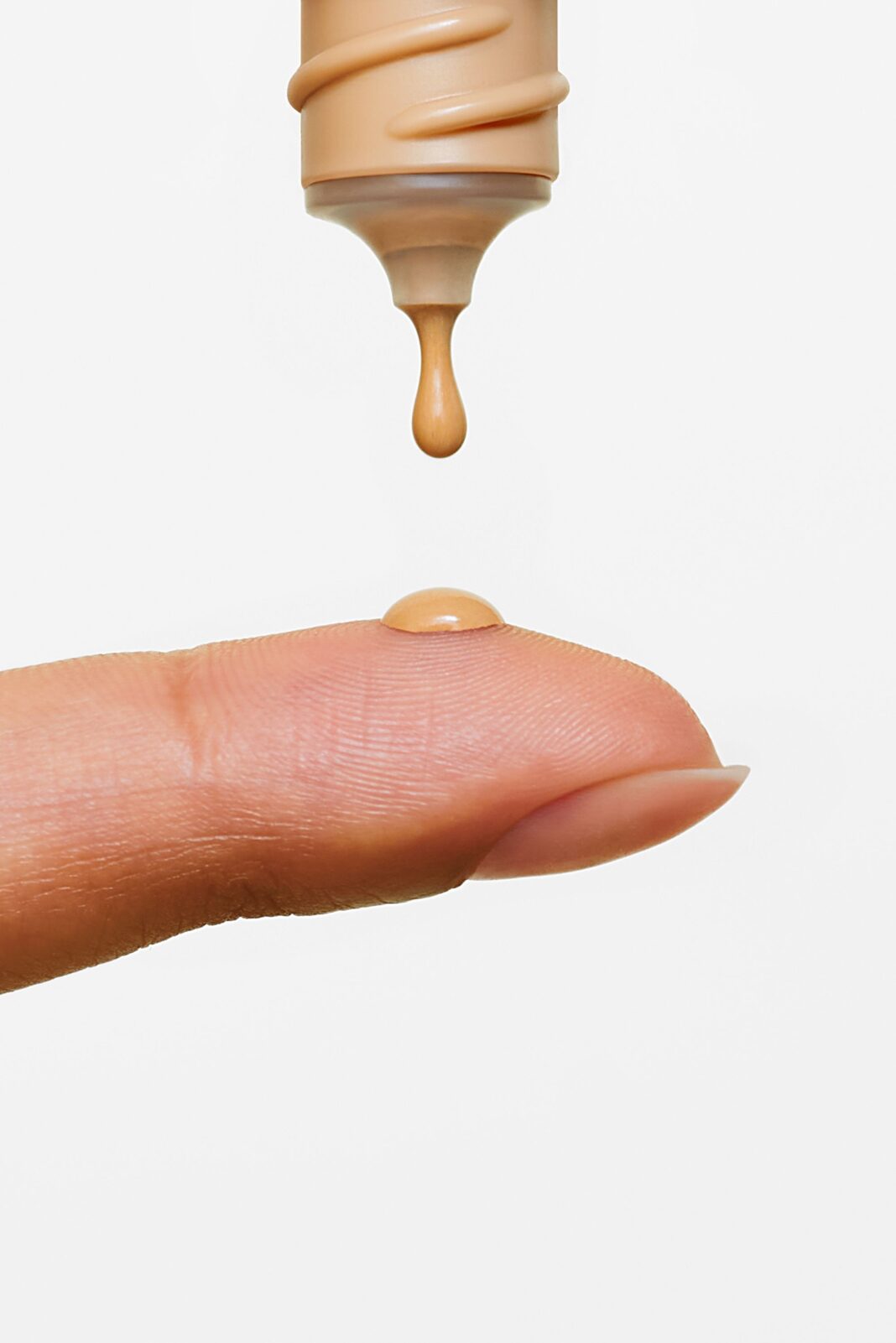
Choosing a lightweight, hydrating foundation is a key step. Tinted moisturizers or skin tints offer a more natural finish that blends seamlessly into the skin.
Preparation of the skin is equally important. A well-moisturized face with a hydrating primer creates a smooth canvas, preventing foundation from clinging to dry areas.
The application method requires more care than in younger years. Makeup artists suggest using a damp beauty sponge or gentle tapping motions to press foundation into the skin rather than dragging it.
Avoiding heavy powder application helps maintain a luminous look. A light dusting of translucent powder only on the T-zone keeps shine at bay without adding dryness.
Adjusting the coverage level can also make a difference. Spot-concealing specific areas instead of applying full-coverage foundation everywhere allows the skin to stay looking fresh and natural.