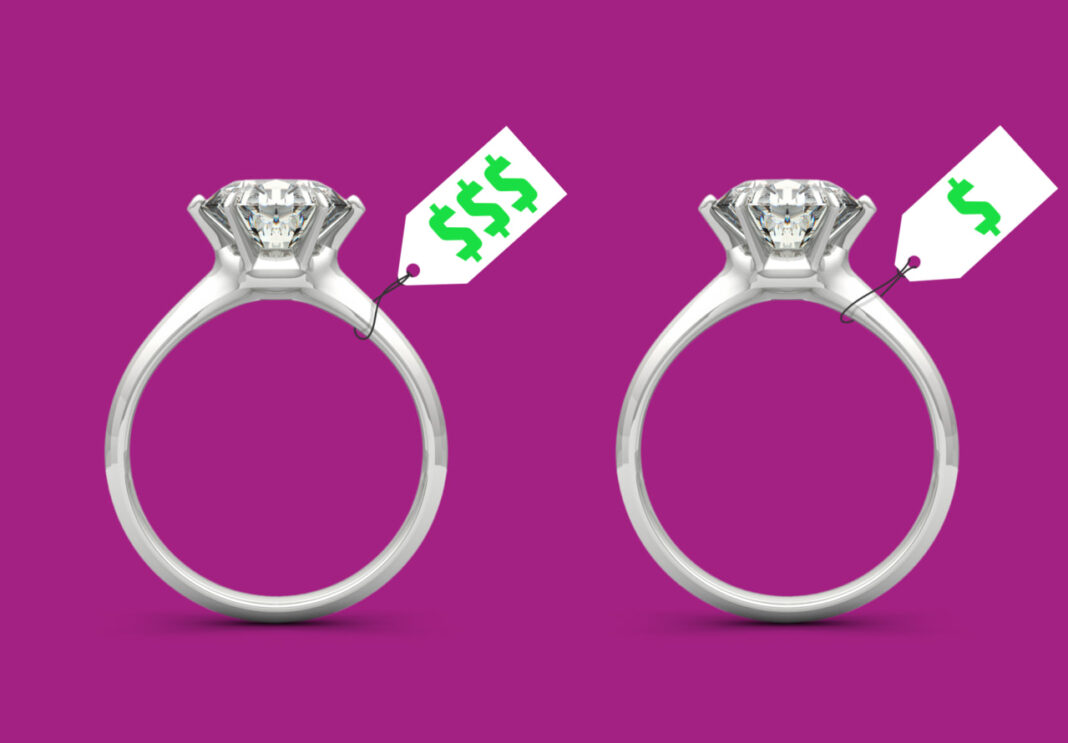
Quince now sells wedding bands at roughly one-third the price of traditional jewelers. The lower cost has some shoppers questioning whether the savings come at a hidden cost.
The company built its reputation on affordable everyday essentials, from home goods to apparel. Its move into fine jewelry marks a larger push into higher-stakes purchases.
Wedding bands are an emotional buy, often tied to tradition and long-term wear. Buyers worry that low prices may signal lower quality or thinner materials.
Quince says its bands use solid gold rather than plating. The direct-to-consumer model cuts out retail markups that typically inflate jewelry prices.
That model limits try-on options, though. Shoppers order online and rely on sizing guides instead of an in-store fitting.
Return policies matter for a ring that must fit precisely. Customers should confirm resizing terms and any restocking fees before ordering.
Traditional jewelers still offer in-person service, custom work, and lifetime maintenance. Those extras often justify part of the price gap.
For cost-conscious couples, a Quince band can be a practical choice. Buyers should compare metal purity, width, and warranty terms before deciding.
The savings are real, but so are the trade-offs. Careful review of the fine print makes the decision easier.