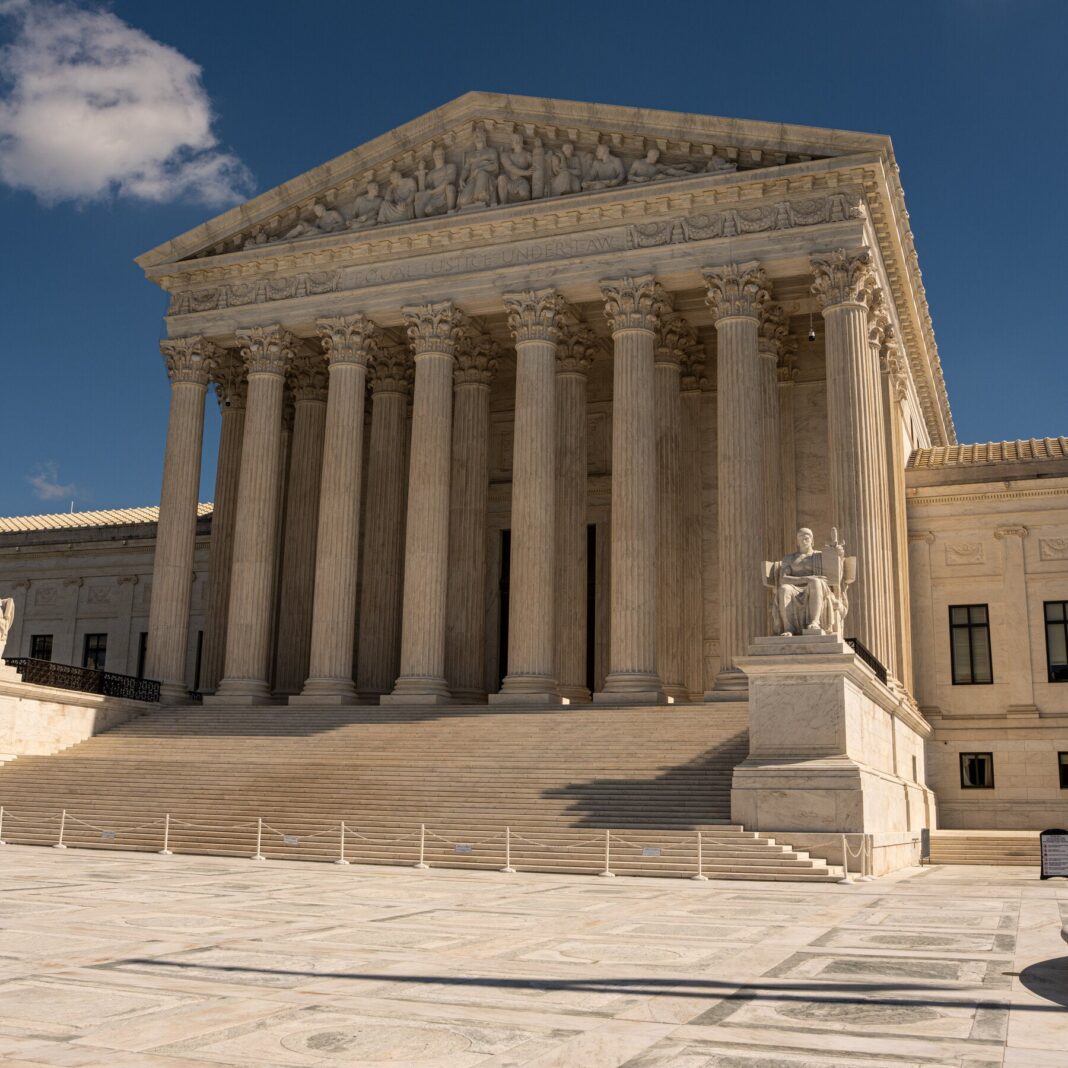
The Supreme Court’s 2010 Citizens United decision remains a lightning rod in American politics. Critics blame it for unleashing unlimited corporate money into elections. Supporters defend it as protected political speech.
A new legal dispute asks whether the ruling deserves that reputation. The case examines recusal questions tied to the justices themselves. It raises fresh concerns about ethics at the nation’s highest court.
Several justices have signed lucrative book deals with major publishers. Those deals involve media conglomerates with interests before the court. The arrangement creates a potential conflict of interest.
Recusal rules require justices to step aside when impartiality is reasonably questioned. Financial ties to a litigant can trigger that standard. The court has broad discretion in applying it.
The issue extends beyond Citizens United itself. It touches on public confidence in judicial independence. Perceived conflicts can undermine trust in rulings.
Legal scholars disagree on whether recusal is warranted in such cases. Some argue book contracts are ordinary outside income. Others see a direct financial relationship with a party.
The court has not issued a definitive rule on media-related recusals. Each justice decides individually whether to withdraw. That practice leaves gaps in oversight.
The case could prompt new ethics standards for the justices. Congress has debated tighter recusal requirements in recent years. Any change would face constitutional questions about judicial independence.
For now, the spotlight stays on the court’s own conduct. Citizens United may dominate headlines, but the justices’ financial ties draw quieter scrutiny. The docket offers a test of how the court polices itself.