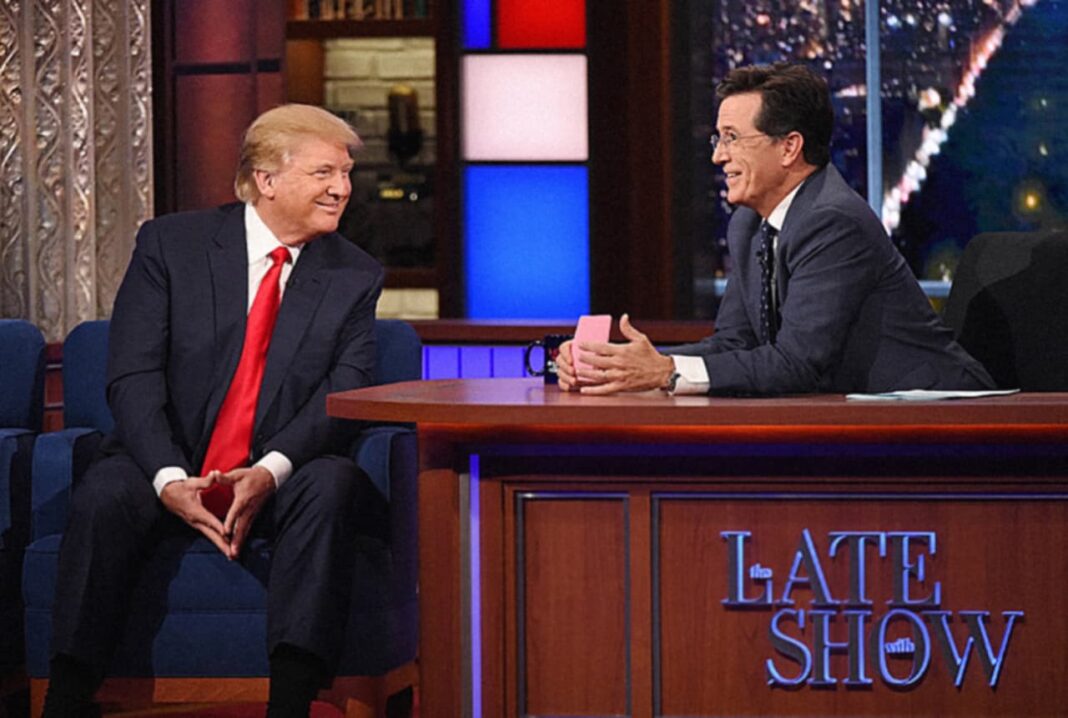
Stephen Colbert’s late-night show is ending. His departure raises questions about the future of the entire genre.
The worsening economics of television are putting pressure on networks. They are reconsidering the value of expensive late-night programs.
Colbert’s show drew strong ratings during the Trump administration. Political turmoil often boosts viewership for late-night hosts.
That dynamic has shifted. The current political climate is different, and audience habits have changed.
Viewers are increasingly watching clips online. They skip the full broadcast, reducing the value of a live, nightly show.
Networks must now weigh production costs against shrinking ad revenue. Late-night shows are costly to produce.
The end of Colbert’s program could signal a broader industry trend. Other hosts may face similar scrutiny.
President Trump’s potential return to the political stage remains a factor. A high-profile election could revive the format temporarily.
But long-term, the economics suggest a leaner future. Fewer shows, shorter runtimes, or digital-only formats may emerge.