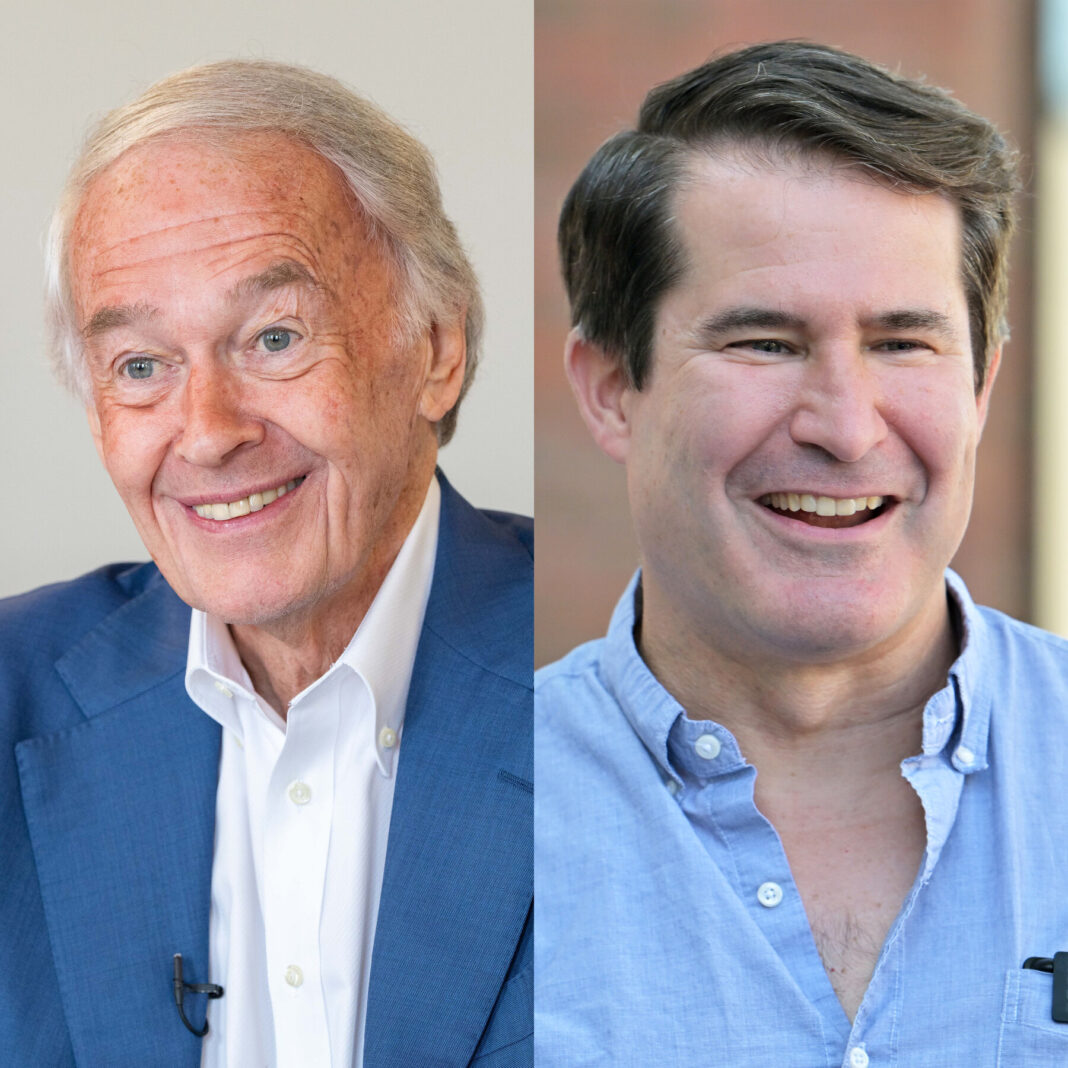
Senator Edward Markey, first elected to Congress in 1976, faces a primary challenge from Representative Seth Moulton. The race marks a significant test of the state’s progressive versus moderate Democratic factions. Markey has built his campaign around climate policy and seniority. Moulton, a former Marine and Iraq War veteran, is pushing a message of generational change. Their contest highlights a broader national debate over the party’s direction.
Moulton has criticized Markey for being out of touch with younger voters. He points to his own record on national security and technological innovation as a contrast. Markey counters with his authorship of the Green New Deal resolution. He also emphasizes his long track record of legislative achievements. Both candidates are courting the same urban and suburban voters.
The primary will also feature several competitive races for the state legislature. Redistricting has created a few open seats with no incumbents. These local contests could draw significant attention and spending. Activists on both sides see them as opportunities to shift the balance of power in Boston. Turnout is expected to be a deciding factor in these down-ballot races.
Voting by mail has already begun across the state. Election officials report a strong early return of ballots compared to previous cycles. This trend could shape how campaigns allocate their final resources. Candidates are focusing on get-out-the-vote operations rather than rally events. The expanded mail-in system remains a key logistical test for local clerks.
Polls close at 8 p.m. Eastern Time. Early results are expected to trickle in within the hour. Analysts warn that the count could take longer due to mail-in ballots. The state’s voting equipment has been upgraded since the last election. Officials say they are prepared for a smooth tally but urge patience.
The winner of the Senate primary will face a Republican nominee in the general election. Massachusetts has not elected a Republican senator in over a decade. The Democratic nominee is therefore widely expected to retain the seat. The focus now shifts to which candidate can unify the party after a contested primary. Both campaigns have pledged to support the eventual nominee.