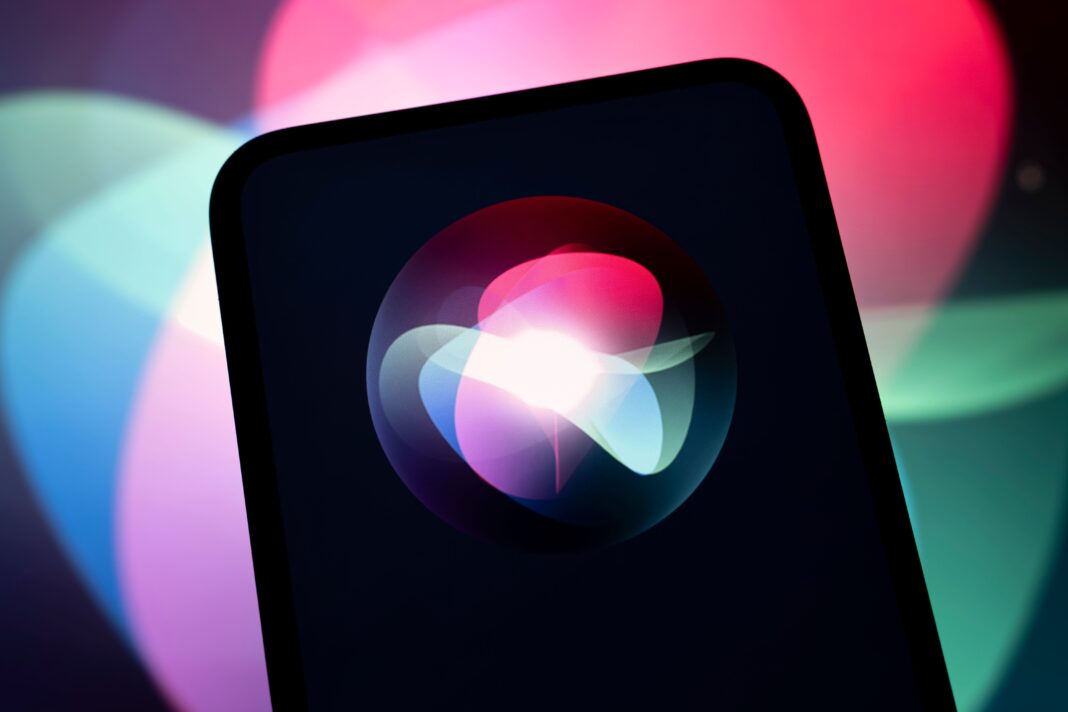
Apple’s revamped Siri AI captured attention during its beta phase, promising a smarter smartphone assistant. Early users reported a noticeable upgrade in responsiveness and conversational flow. The initial impression was strong, with many praising its improved natural language handling.
The beta version offered a glimpse of what Apple intended for its flagship assistant. Interactions felt smoother, and the AI appeared more context-aware than previous iterations. Enthusiasts welcomed the shift, viewing it as a long-overdue evolution.
As the full public release neared, interest began to wane. The novelty faded quickly, and everyday usage revealed limitations that dampened early enthusiasm. Features that seemed impressive in controlled tests did not always translate to real-world reliability.
Questions emerged about the assistant’s consistency across different tasks. Some users noted that while simple commands worked well, complex requests still triggered errors. The polished demo did not fully match the practical experience.
By the time the official rollout approached, many had moved on. The assistant no longer felt essential, becoming just another background feature on the device. The once-exciting promise faded into the routine of daily phone use.
Apple’s broader AI strategy remains a work in progress. The assistant still faces stiff competition from rival platforms that have invested heavily in integrated machine learning. Market observers watch closely for decisive updates.
For now, the revamped assistant exists, but its presence is muted. Users rarely talk about it, and new feature discussions have shifted elsewhere. The summer fling appears over, replaced by quiet acceptance.
The lesson may be that flashy demos need sustained performance to hold user interest. A single update cannot guarantee lasting engagement. Apple will need more than incremental tweaks to reclaim the spotlight.