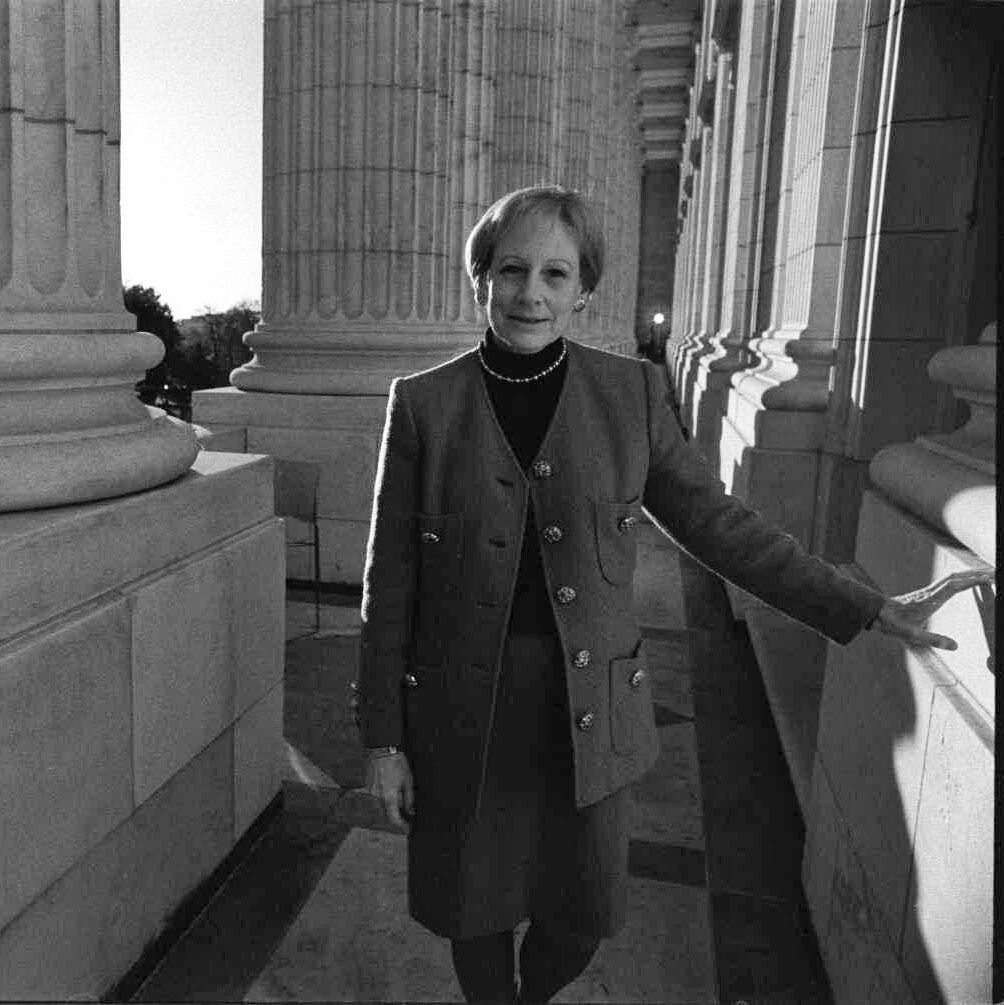
Nancy Kassebaum, the first woman to chair a major Senate committee, died at the age of 94. The Kansas Republican served three terms in the Senate before stepping away from political life. She was known for her moderate and pragmatic approach to governance.
Kassebaum led the Senate Labor and Human Resources Committee during her tenure. That role marked a historic milestone as the first time a woman held the chairmanship of a major Senate panel. Her leadership focused on practical policy solutions rather than partisan confrontation.
After leaving office, Kassebaum reflected on the changing nature of American politics. In 2013, she offered a blunt assessment of her own political viability. “I couldn’t get elected today,” she said, citing the deepening divisions within the political landscape.
Her career in Washington began with a decisive victory in 1978. She won a Senate seat in Kansas without ever having held public office before. This outsider status helped define her independent brand of Republicanism.
During her three terms, Kassebaum worked on issues such as health care and education reform. She frequently crossed party lines to forge legislative compromises. Colleagues described her as a steady voice who prioritized results over ideological purity.
Kassebaum’s departure from the Senate in 1997 came amid growing partisan gridlock. She expressed frustration with the increasing polarization that made bipartisan work more difficult. Her exit marked the end of an era for a more collegial style of Senate politics.
Her death closes a chapter on a career that broke barriers and set precedents. Political observers note her legacy as a trailblazer for women in leadership positions. Her example remains a reference point for those seeking a more measured approach to public service.