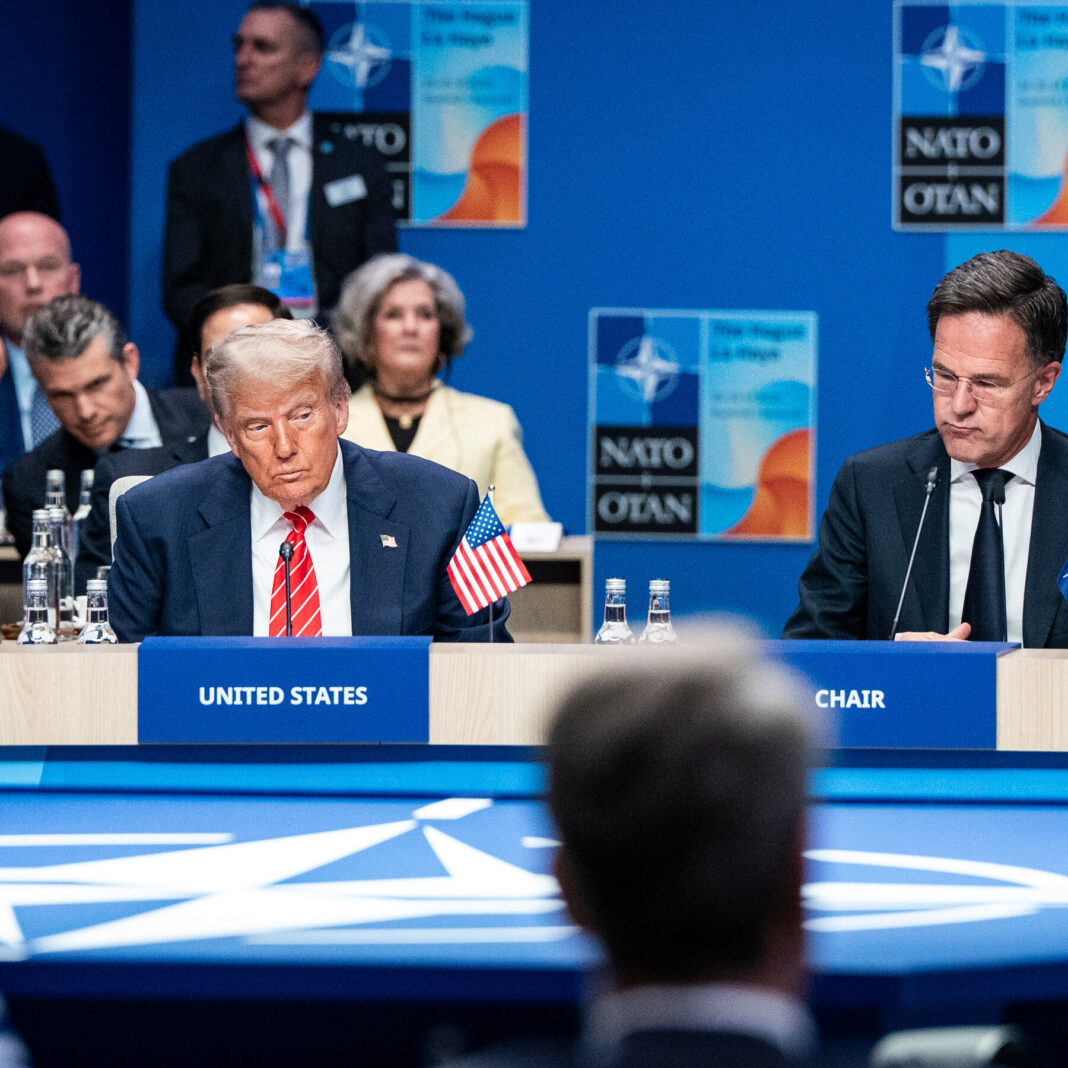
President Trump is citing European reluctance to support U.S. actions in the Iran conflict. This stance provides another rationale for potentially scaling back American commitment to NATO.
The alliance now labors under the dual pressures of an expanding war and internal political threats. Its survival is being tested as never before.
European leaders face a critical dilemma. They must navigate a major Middle Eastern conflict while managing a key ally’s shifting priorities.
Trump’s persistent interest in acquiring Greenland adds another layer of complication. It symbolizes a transactional view of international partnerships that unsettles traditional allies.
This approach fundamentally challenges the post-war consensus of collective defense. It places the alliance’s founding principles in direct jeopardy.
NATO’s response will define its role for decades to come. The organization must adapt to these unprecedented political currents while maintaining cohesion.
The coming months will determine whether the alliance can withstand these combined pressures. Its future hinges on navigating this profound geopolitical rift.