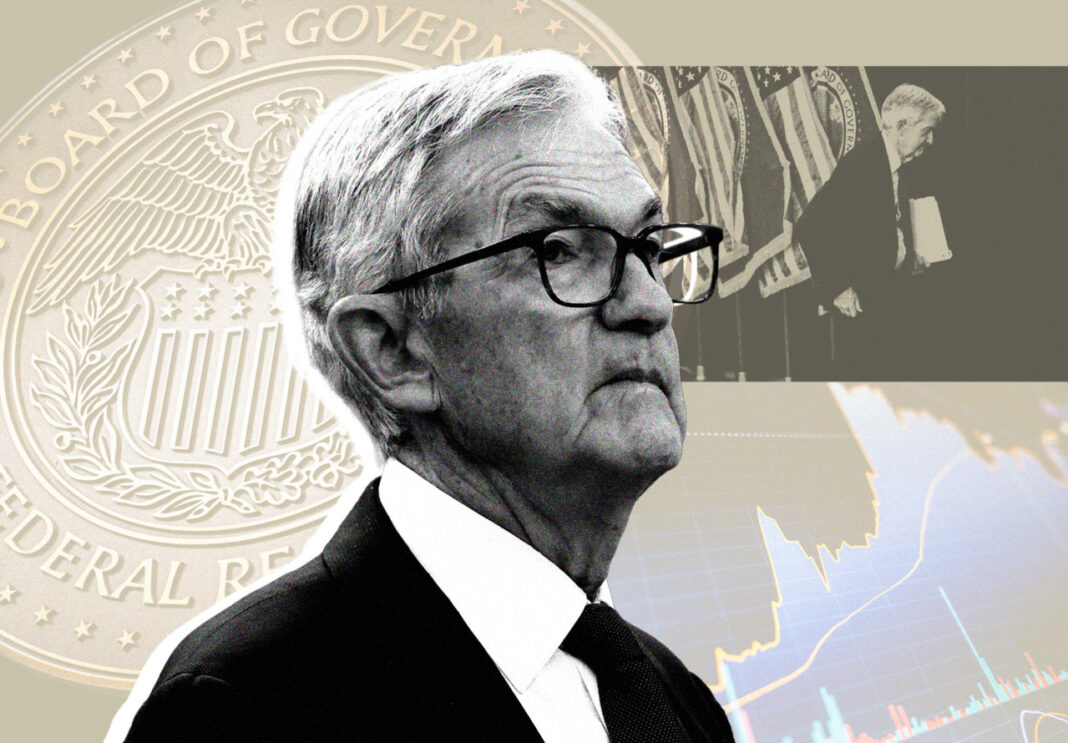
Federal Reserve Chair Jerome Powell’s legacy will ultimately be defined by two defining struggles: taming inflation and preserving the central bank’s independence from political pressure. Both battles now hang in the balance, with experts questioning whether he can win either.
Under Powell’s leadership, the Fed aggressively raised interest rates to combat the worst inflation in decades. While price pressures have eased from their peak, the progress has been uneven and the path back to the Fed’s 2% target remains uncertain.
The job market has shown surprising resilience, complicating the central bank’s efforts. A robust economy could keep inflation sticky, forcing the Fed to keep rates high longer than initially anticipated.
At the same time, a new threat has emerged from the political arena. Former President Donald Trump has signaled that if he returns to office, he would seek greater influence over monetary policy, challenging the Fed’s long-standing independence.
Powell has repeatedly defended the central bank’s nonpartisan role, stressing that political interference could undermine its credibility and effectiveness. Yet the pressure may intensify if Trump wins the 2024 election.
The outcome of both fights will shape how history judges Powell’s tenure. A soft landing—where inflation drops without causing a deep recession—would cement a successful legacy.
Conversely, if inflation resurges or the Fed’s independence is eroded, critics may view his leadership as a period of missed opportunities and diminished institutional strength. The final verdict remains unwritten, and the battles are far from over.