Dermatologists confirm that hair removal with psoriasis requires extra care, but it remains possible with the right techniques. The condition, which causes raised, scaly patches on the skin, can react poorly to common methods like shaving or waxing. Experts stress that the primary goal is avoiding irritation that could trigger a flare-up.
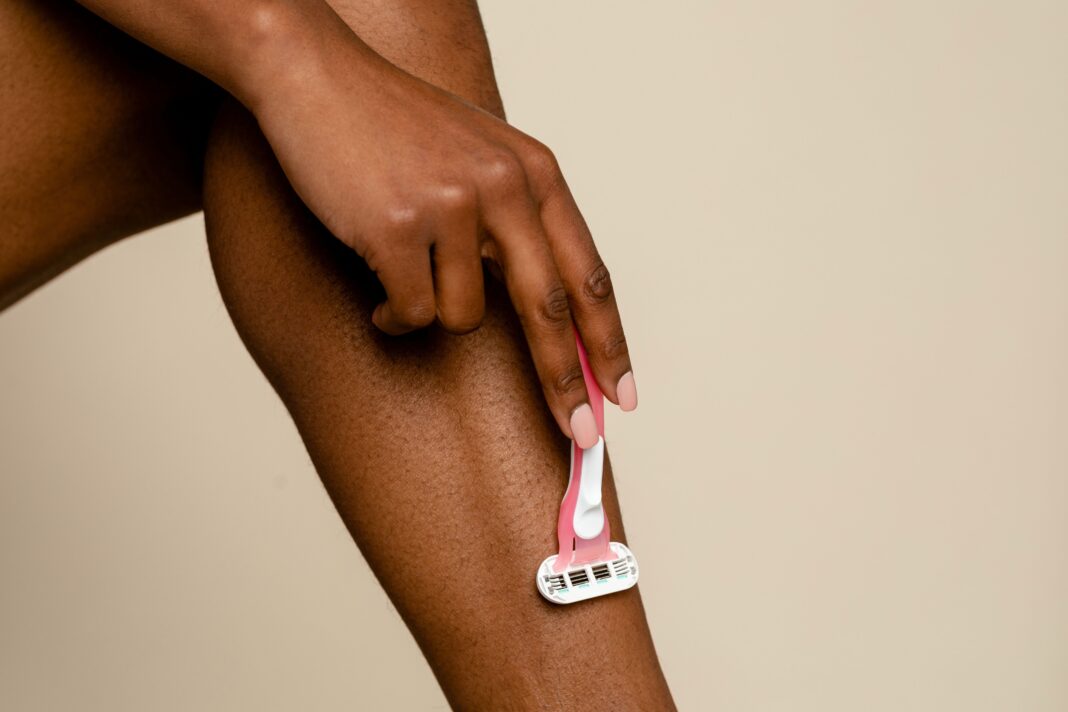
Shaving remains the most accessible option, but it demands preparation. Dermatologists recommend using a fresh, sharp razor each time to minimize friction. A thick, fragrance-free shaving cream should be applied to damp skin, and strokes should always follow the direction of hair growth. Pressing too hard or going against the grain can cause micro-cuts that lead to new lesions.
Waxing presents a higher risk for those with active plaques. The pulling motion can tear away top layers of skin, resulting in open wounds and potential infection. For individuals with psoriasis on the legs or underarms, waxing is best avoided entirely during a flare. When the skin is clear, a patch test on a small area is advised before committing to a full session.
Laser hair removal offers a longer-term solution but requires professional oversight. Dermatologists note that the heat from lasers can aggravate sensitive, affected areas. Selecting a practitioner experienced with psoriasis is critical, as they can adjust settings to lower the energy level. Multiple sessions are typically needed, and each one should be spaced out to allow the skin to recover.
Tweezing is the safest route for isolated hairs or small patches. It provides precision without broad surface irritation, making it suitable for eyebrows or occasional stray strands. Still, experts warn against tweezing directly on a plaque, as the mechanical stress can worsen inflammation. Sterilizing the tool before use remains a non-negotiable step.
Post-removal care is just as important as the method chosen. Cooling gels with aloe vera can calm the skin, while heavy moisturizers help restore the barrier. Dermatologists advise avoiding any products with fragrance, alcohol, or exfoliating acids for at least 48 hours. Sunscreen is also essential, as treated skin becomes more sensitive to UV damage.
Timing plays a role in reducing complications. Hair removal should occur when plaques are flat and not actively scaling. During remission, the skin tolerates procedures better and heals faster. If a flare begins suddenly, it is safer to cancel any scheduled appointments and wait for the skin to stabilize.
Consulting a dermatologist before trying a new method is strongly encouraged. They can assess the severity of the condition and recommend the most suitable option based on location and hair type. Individual responses vary, so what works for one person may fail for another. With careful planning and consistent aftercare, unwanted hair can be managed without compromising skin health.