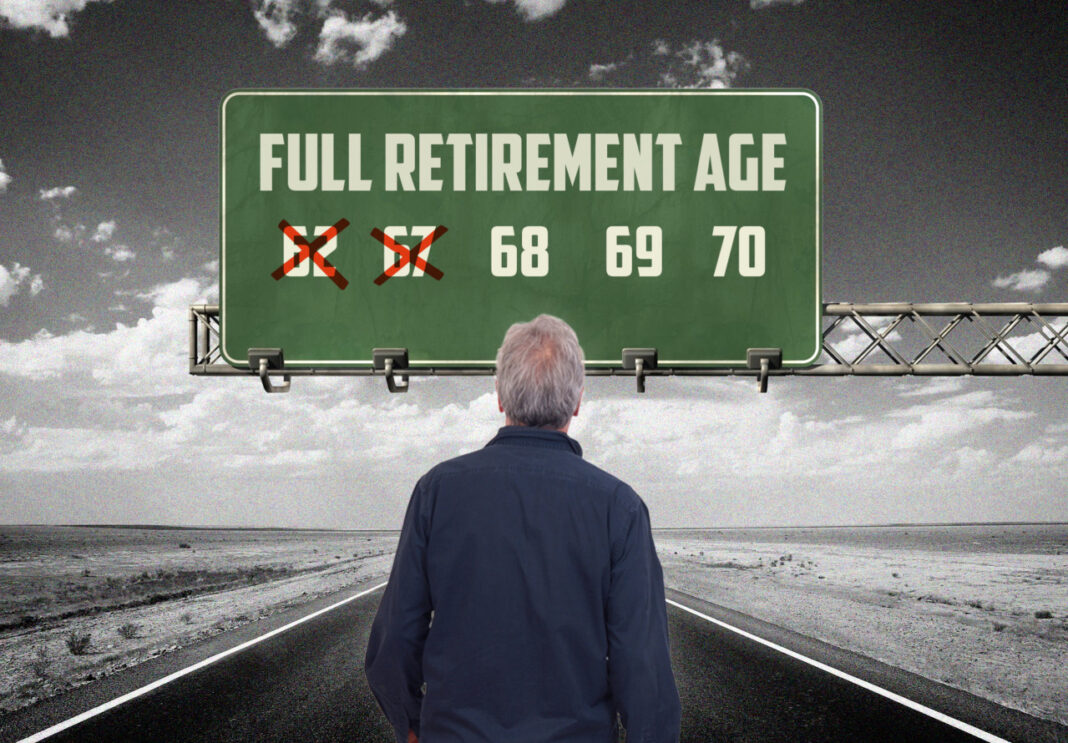
Proposals to raise Social Security’s full retirement age are gaining traction in Washington as a way to address the program’s long-term financial shortfall. The idea, however, carries significant political and economic risks. According to a recent analysis, the impact of such a change would fall disproportionately on lower-income workers. These individuals often have shorter life expectancies and may not live long enough to benefit from delayed claims.
The full retirement age is currently 67 for those born in 1960 or later. Raising it further would effectively cut benefits for most future retirees. To make a meaningful dent in the program’s funding gap, the changes would have to be both quick and steep. Gradual adjustments would not generate enough savings to stabilize the trust fund.
Lower-income earners are particularly vulnerable to this policy shift. They rely more heavily on Social Security for their retirement income than wealthier Americans. Many have physically demanding jobs that make working longer difficult or impossible. A higher retirement age would force them to either accept reduced benefits or struggle to stay in the workforce.
The political landscape surrounding this issue is fraught with tension. Lawmakers from both parties recognize the need to address Social Security’s solvency. However, proposing changes that could make a specific group of people poorer is considered political dynamite. Voters in this demographic are highly engaged on the issue and respond strongly to any perceived threats to their benefits.
Alternative solutions exist but face their own hurdles. Raising the payroll tax cap on high earners is one option that polls well with the public. Adjusting the cost-of-living formula is another approach, though it carries its own set of complications. Each option involves trade-offs between current beneficiaries, future retirees, and taxpayers.
Economists note that the program’s trustees project the trust fund will be depleted by the mid-2030s. At that point, Social Security would only be able to pay out about 80% of scheduled benefits unless Congress acts. The window for a solution is narrowing, but the political cost of decisive action remains high.
For now, the debate continues without a clear consensus. Policymakers are weighing the fiscal necessity against the electoral consequences. The outcome will determine the financial security of millions of American retirees for decades to come.