In 1775, General George Washington dispatched a young Boston bookseller named Henry Knox on a daring mission. Knox was tasked with retrieving 60 tons of captured artillery from Fort Ticonderoga in upstate New York.
The journey spanned nearly 300 miles of rugged wilderness during the harsh winter months. Knox and his team moved the heavy cannons across frozen rivers and snow-covered mountains.
Today, historians and adventure seekers retrace Knox’s path to understand the Revolution’s challenges. The route showcases both preserved landscapes and modern development across three states.
The trek began at Lake Champlain, where the fort’s cannons were secured. From there, Knox orchestrated sledges over the ice, navigating treacherous conditions with little more than oxen and determination.
Modern travelers can follow portions of the route using marked roads and hiking trails. Key stops include Fort Ticonderoga, the Berkshire Mountains, and the final destination in Boston.
The terrain has changed significantly since the 18th century. Paved highways now cover sections once traversed by foot, while forests have regrown after centuries of farming.
Technological advancements allow for easier navigation today. GPS devices and detailed maps replace the uncertain guides and crude compasses Knox relied upon.
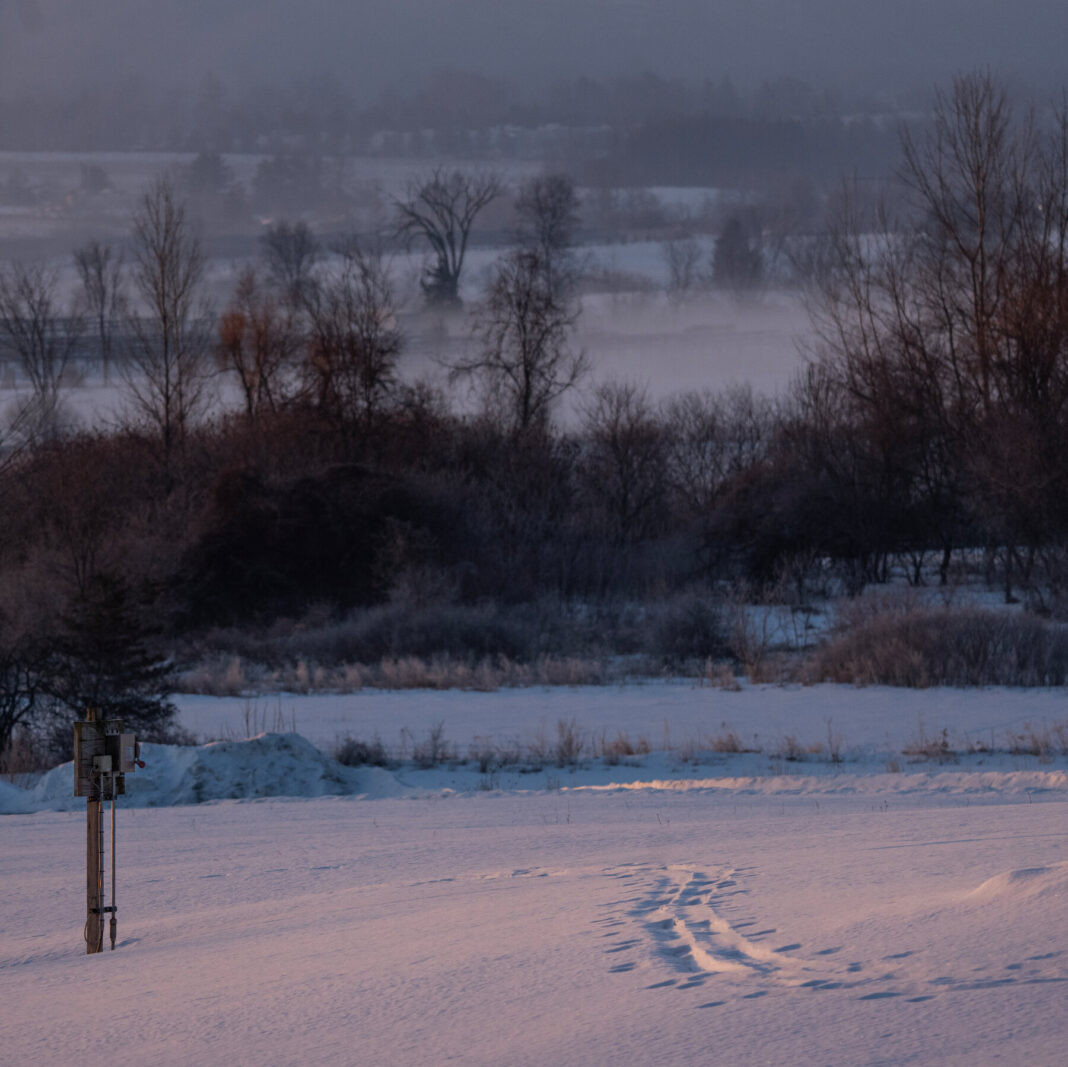
Despite these changes, the core challenge of covering great distances in winter remains. Hikers and history enthusiasts experience similar weather and isolation along remote segments.
The success of the mission reshaped the American Revolution. Knox’s artillery forced the British to evacuate Boston in 1776, marking a pivotal victory for the Continental Army.
Visitors can explore museums and interpretive centers along the route that detail Knox’s logistics. These sites offer firsthand accounts of the mission’s planning and execution.
Local communities now embrace this historical legacy. Annual reenactments and commemorative events draw visitors interested in Revolutionary history.
Following Knox’s route provides a unique perspective on America’s transformation. It connects the nation’s founding struggles to its present-day landscape and infrastructure.