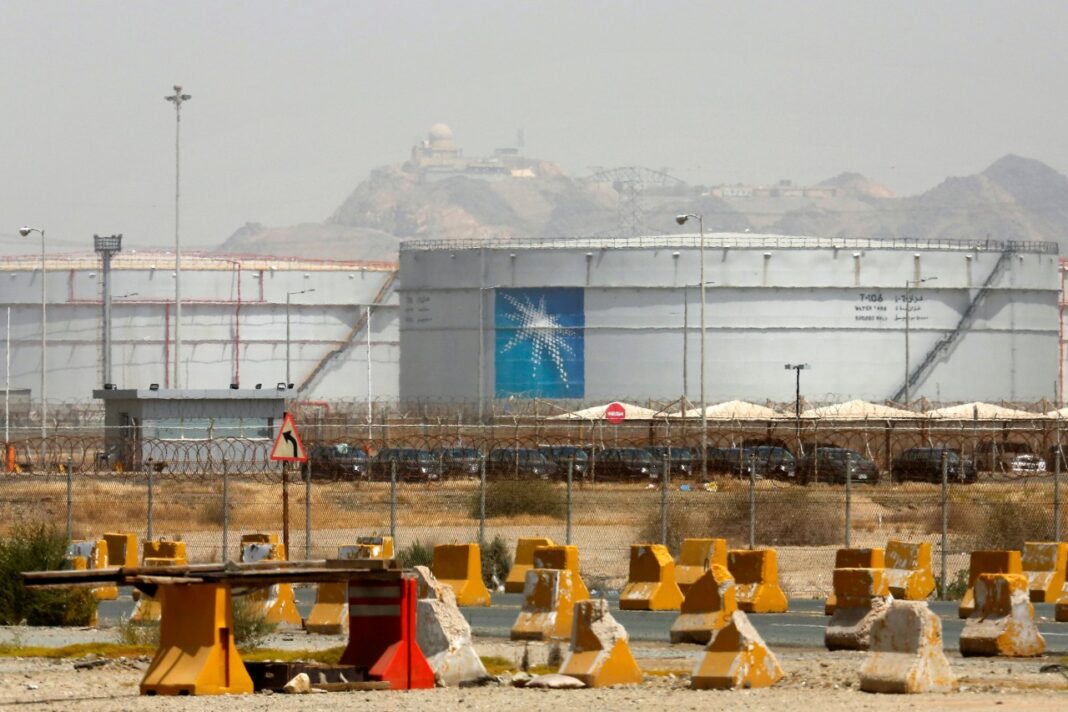
Saudi Arabia has a backup plan to export oil if the Strait of Hormuz is blocked. The kingdom can use a shuttle service to move crude through the narrow waterway. This option has become its most viable fallback amid rising regional tensions.
The Strait of Hormuz is a critical choke point for global oil shipments. Roughly one-fifth of the world’s petroleum passes through it daily. Any disruption there could send energy prices soaring.
Saudi Arabia already operates a major east-west pipeline. It can carry oil from fields in the east to the Red Sea coast. That route bypasses the strait entirely.
The shuttle service would move oil by ship within the Gulf. Smaller vessels would transfer cargoes to larger tankers outside the danger zone. This method reduces exposure to a full closure.
The strategy relies on the kingdom’s storage and loading infrastructure. Terminals on the Red Sea can handle increased volumes. Saudi officials have tested similar contingency measures before.
Analysts say the plan offers a partial solution. It cannot fully replace the volume normally shipped through the strait. But it provides a cushion during short-term crises.
The fallback option also carries risks. Shuttle vessels could still face attacks or delays. Insurance costs would rise sharply in a conflict.
Saudi Arabia’s ability to adapt will shape global oil markets. A successful workaround would ease supply fears. A failure could leave the world short of crude.