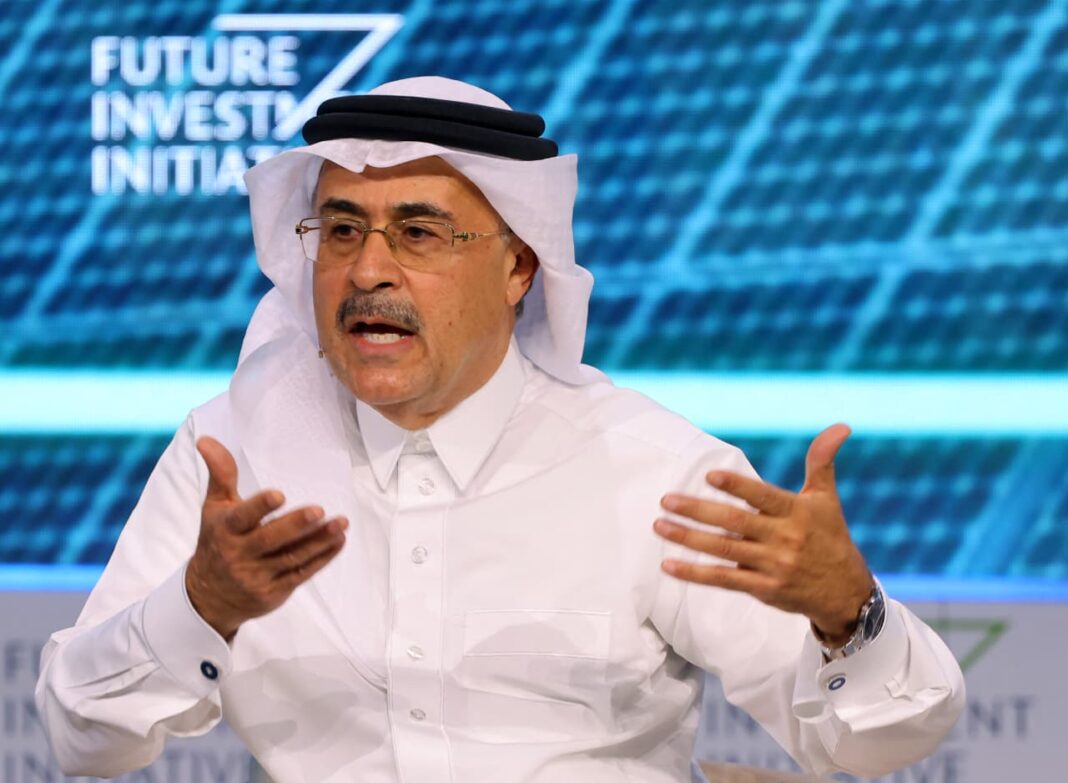
Saudi Aramco’s CEO recently warned that rebuilding global oil inventories will be a long and difficult process. His comments pointed to years of underinvestment and rising geopolitical risks. Some analysts, however, argue his outlook may be overly pessimistic.
Record oil production from non-OPEC countries has added significant new supply to the market. Producers in the United States, Brazil, and Guyana continue to raise output. This growth helps offset disruptions from traditional suppliers.
Alternative delivery routes are also reducing reliance on the Strait of Hormuz. Pipelines and port expansions now offer ways to move crude without passing through the chokepoint. These options were limited in past decades.
The CEO cited low spare capacity as a key reason for concern. Spare capacity acts as a buffer during supply shocks. Current levels remain below historical averages, though they are recovering.
Higher prices have encouraged more drilling and investment outside OPEC. Companies are bringing online projects that were delayed during the pandemic. This response takes time but adds real barrels to the market.
Demand growth is slowing in major economies like China and Europe. Weaker consumption could ease pressure on inventories. Some forecasters see a better-balanced market within two years.
Geopolitical tensions remain a wild card for any supply forecast. Conflicts or sanctions can quickly tighten the market. Yet the system now has more flexibility than during previous crises.
The path to restocking supplies is uncertain, but not hopeless. New production and delivery options provide reasons for cautious optimism. The CEO’s downbeat view may not capture the full picture.