A new super PAC with ties to Republican operatives is meddling in Democratic primary races. The group has notably interfered in a Texas contest, backing a sex therapist who has faced accusations of antisemitism.
The political action committee, which operates under a mysterious name, does not prominently disclose its Republican connections. Federal filings reveal its funding sources trace back to established GOP donors and strategists.
Democratic officials have raised alarms about the strategy, calling it an underhanded effort to weaken their candidates. Critics argue the tactic aims to elevate fringe figures who could be easier to defeat in general elections.
In Texas, the group spent heavily on ads promoting the therapist’s campaign. The candidate has denied the allegations of antisemitism, but opponents continue to highlight them.
The intervention has sparked debate about transparency in campaign finance. Watchdog groups are calling for stricter disclosure rules to expose such behind-the-scenes manipulation.
Republican strategists privately acknowledge the tactic is common, though they rarely admit to orchestrating it. The party has long used similar methods to influence opposing primaries.
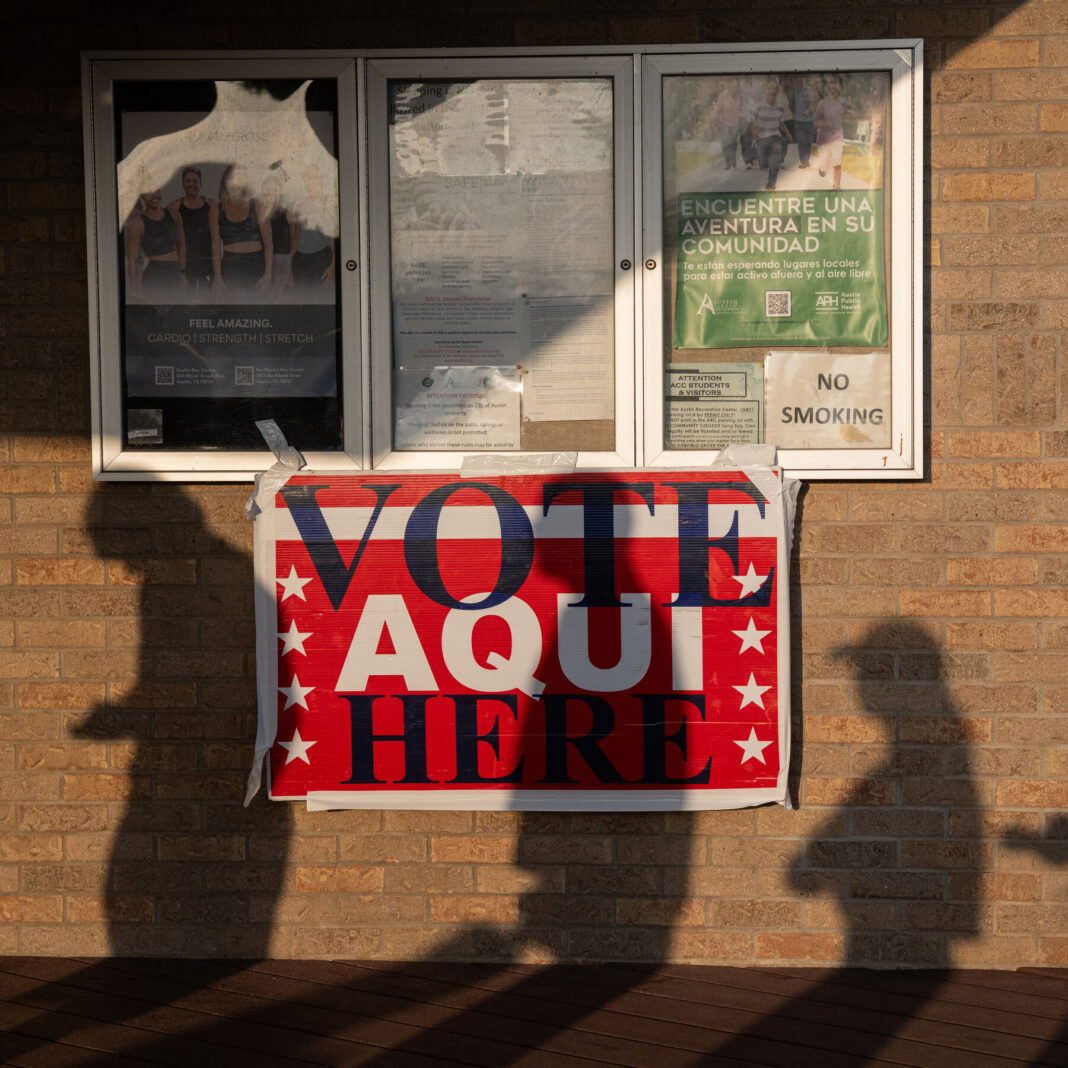
The midterm elections remain competitive, and this meddling adds a volatile element. Voters in affected districts are left to navigate confusing messaging and hidden agendas.
The controversy underscores growing concerns over foreign and domestic interference in U.S. primaries. It also highlights the blurred lines between legitimate political competition and covert disruption.
As the primary season unfolds, more such interventions may emerge. Observers warn that without reforms, the practice could become a permanent fixture in American politics.