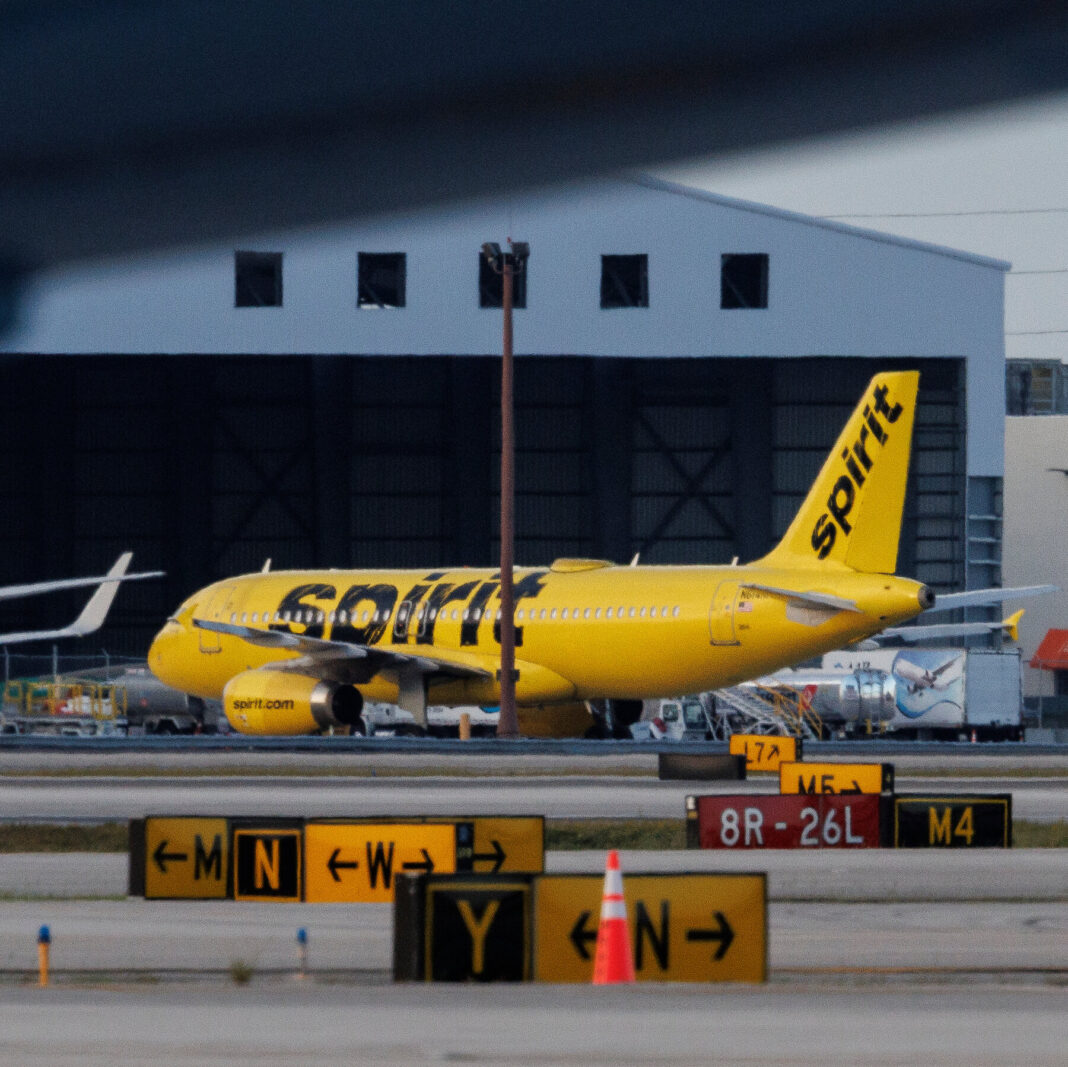
Spirit Airlines’ recent shutdown eliminates one of the industry’s most persistent low-cost competitors. Even in its reduced state, the carrier played an important role in forcing other airlines to keep fares low, according to aviation experts.
The airline’s absence could allow larger carriers to raise prices on routes where Spirit once offered steep discounts. Budget-friendly options will shrink for travelers who relied on the airline’s bare-bones pricing model.
Other airlines may fill some capacity gaps left by Spirit’s departure. But experts caution that no single carrier is likely to replicate the intense price pressure Spirit provided across numerous routes.
The shake-up comes after years of financial struggles for Spirit. The airline faced rising operational costs, increased competition, and a failed merger attempt with JetBlue.
Industry analysts predict a mixed impact on consumers. Short-term fare increases are possible on key leisure routes, but long-term effects depend on how quickly other airlines adjust their strategies.
Airlines like Frontier and Allegiant stand to gain market share, as they already operate in similar ultra-low-cost niches. Their expansion could partially offset Spirit’s absence, though not completely.
The news serves as a reminder of how fragile the low-cost airline model can be. Tight profit margins leave little room for error when fuel prices climb or demand shifts suddenly.
For now, travelers should expect fewer bargain fares on certain routes. The broader industry will likely see reduced pressure to keep prices at rock-bottom levels.