The Relay Q, scheduled for release next year, represents another push to make voice a primary interface for computing. The device shifts interaction away from physical keyboards and toward spoken commands. Its positioning targets users seeking faster, hands-free workflows.
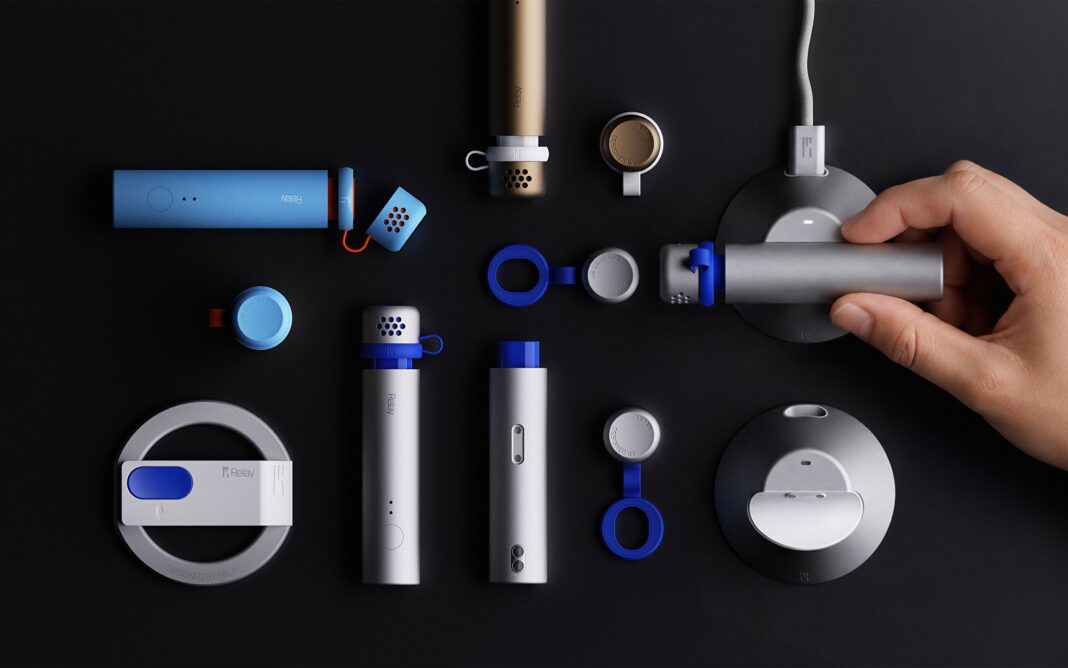
The hardware functions as a dedicated microphone designed for continuous voice capture. It pairs with an AI application that processes speech into text in real time. This setup aims to reduce friction in writing, messaging, and command execution across multiple devices.
Most laptops and smartphones already include built-in microphones. However, those components often struggle with background noise and distance. The Relay Q focuses on proximity and clarity, which improves transcription accuracy in shared or loud spaces.
The accompanying software leverages natural language processing to handle formatting and punctuation. Users can dictate emails, notes, or code without manual editing. The system also recognizes contextual commands, such as “send” or “bold that,” to streamline actions beyond simple text entry.
Previous voice-to-text tools faced criticism for lag and error rates. The Relay Q claims to minimize latency through on-device processing and optimized cloud fallback. Early demonstrations show near-instant transcription, though real-world performance remains unverified until launch.
Privacy considerations are central to the device’s design. Audio data is encrypted during transmission and can be processed locally for sensitive tasks. The company has not confirmed whether voice recordings are stored by default, leaving some questions open for potential buyers.
Pricing and exact compatibility details have not been announced. The device is expected to support major operating systems and popular productivity suites. Developers may gain access to an API for custom integrations, expanding its utility beyond consumer use cases.
The Relay Q enters a market where voice assistants like Siri and Alexa already exist. Its differentiator is a focus on professional and creative output, not just simple queries. Whether that niche is large enough remains uncertain, but the product signals continued investment in voice-driven workflows.